The Selfless Mother
For thirty years, I rose before dawn. I made thousands of breakfasts, washed mountains of laundry, bandaged scraped knees, and wiped away tears. My children were my universe, my reason for being. I worked double shifts to pay for their university, sold my jewellery for their weddings, even remortgaged the house to fund their business ventures.
“Mum will always be there,” my friends would say with admiration. And Id smile proudly, believing I was building something beautifula family bound by unconditional love.
James, my eldest, visited every month. He always needed somethingsomeone to watch the kids, a loan, or a weeks worth of meals prepped. “No one cooks like you, Mum,” hed say, hugging me. I melted every time.
Emily, my middle child, called in tears whenever she argued with her husband. Id drop everything to console her, offering advice she never took. “You understand me better than anyone,” shed sigh. And Id feel special, needed.
Oliver, the youngest, still lived with me at 35. “Im saving to move out,” hed say, while I did his laundry and cooked his meals. His savings somehow vanished into video games and nights out.
Everything changed the day I fell ill.
A silly stumble, a broken hip, two months of recovery. I needed help bathing, cooking, even basic shopping.
James was “swamped at work.” Emily was “going through a rough patch.” Oliver moved in with a mate “temporarily” the day I left hospital.
At first, I waited. Surely theyd comethey just needed to get organised. But hours became days, days turned to weeks. Calls grew scarce. Excuses piled up.
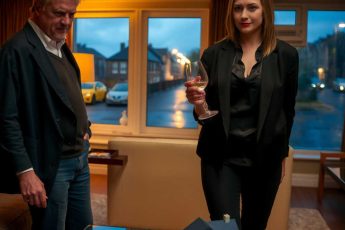
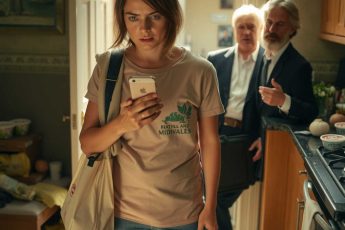
One afternoon, struggling to open a jar with my still-weak hands, I heard familiar voices in the garden. All three of my children were therebut they hadnt rung the bell. I limped to the window and caught them arguing.
“Someones got to take Mum in,” James said.
“I cant, Ive got my own family,” Emily shot back.
“Well, sell the house and put her in a care home,” Oliver suggested. “We could even split whats left.”
They left without knocking.
That night, I didnt cry. For the first time in decades, I thought about *me*the woman Id been before becoming just “Mum.” The dreams Id buried, the chances Id passed up to always be there for them.
The next morning, I made three calls.
The first, to a solicitor. The second, to an estate agent. The third, to my sister in Spain, whod begged me to visit for years.
I sold the house in a fortnight. The money went into *my* account. I booked a one-way ticket.
When my children found out, they came running. For the first time in months, all three stood on my doorstep.
“How could you do this to us?” James shouted. “Were your family!”
“After everything weve done for you,” Emily sobbed.
“What about us?” Oliver demanded. “Where are we supposed to spend Christmas?”
I looked at them in silence. These three people whod been my entire world now saw me as just a problem to solve or an inheritance to split.
“You dont need me anymore,” I said, startling myself with my calm. “And Ive realised I dont need you either.”
I shut the door.
The next day, I boarded the plane. In seat 23A, watching the clouds, I felt something I hadnt in decadesfreedom.
They say mothers love unconditionally. But no one talks about how that love, when unreturned, can become a prison. And sometimes, the bravest choice isnt stayingits walking away.
Now I live in a little house by the sea. Ive made new friends, new routines, new dreams. My children call occasionally, always asking when Ill come back.
I wont.
Because I learned that caring for others didnt make me a good mother if I forgot to care for myself. And that real love cant exist where theres only expectation and convenience.
For the first time in my life, Im happy just being *me*.
What do you think? Does a mother have the right to put her well-being before her grown children? Or are there bonds that should never be broken?