My name is Margaret Whitmore, Im sixty-nine years old. I have two sons, three grandchildren, and two daughters-in-law. With such a family, youd think Id be surrounded by love and care. But these past few years, Ive lived like a ghost. Alone in my flat, with a bad knee and a phone that stays silent for weeks on end.
After my husband passed, everything changed. While he was alive, my sons would visit occasionallyfor holidays or when they needed something. But the moment he was buried, they vanished. Five years. Five long years without seeing them, even though they live in the same city, barely forty minutes by bus.
I didnt complain. I simply called. For help. When the neighbours flooded my kitchennot badly, but the ceiling was damagedI phoned both my sons. They promised to come that weekend. No one showed. I had to hire a painter myself. It wasnt about the moneyit was the hurt. The hurt of knowing my children couldnt spare an hour for their own mother.
Then my old fridge gave out. I know nothing about appliances, and I was afraid of being scammed. I rang my sons again. “Mum, just talk to a salesmansort it yourself.” In the end, I called my brother, who sent his daughter, my niece Emily, and her husband. They sorted everything.
When the pandemic hit, my sons suddenly remembered me. Theyd call once a month, telling me to stay indoors and order groceries online. But they forgot one thingI didnt know how. Emily, though, showed me how to place orders, arranged the first delivery, left me a list of pharmacies that delivered, and started ringing me nearly every day.
At first, I felt guilty. Emily had her own parents, her home, her husband, her little girl. But she was the only one who visited without reason. Shed bring soup, medicine, help me tidy, wash the windows. One day, she came just to sit with me over tea. Her daughtermy great-niececalls me “Nana.” That wordI hadnt heard it in years.
So I made a decision. If my own children had forgotten me, if they only cared about what they could take rather than what they could give, then my flat would go to the one who was truly there. I went to the solicitors office to make a will. And that very day, as if by magic, my eldest son rang. He wanted to know where Id been.
I told him the truth.
Then, it started. Shouting, swearing, accusations. “Have you lost your mind?” “Thats our inheritance!” “Shell kick you out the moment you sign!”
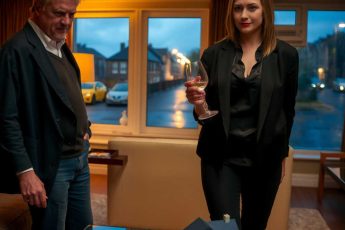
That evening, they came. Both of them. For the first time in five years. They brought a granddaughter Id never met. They brought a cake. We sat at the table. I hopedmaybe theyd changed? But no. They tried to convince me, to remind me I had children, that I couldnt leave my flat to “an outsider.” They accused Emily of scheming, swore shed throw me out.
I just stared at them. Where were you all this time? Why didnt you help when I needed it? Why only call when you thought your inheritance was at risk?
I thanked them for their concern. And I said my decision was final. They left, slamming the door, swearing Id never see my grandchildren again and shouldnt count on them for anything.
You know, Im not afraid. Not because I dont carebut because Ive got nothing left to lose. Ive lived like I dont exist to anyone for years. Now, its just official.
And Emily? If one day she does what my sons imaginewell, Ill have been wrong. But my heart says otherwise. She never asked for anythingnot money, not the flat. She was just there. She reached out. She acted like a decent human being.
And to me, that means more than blood ever could.