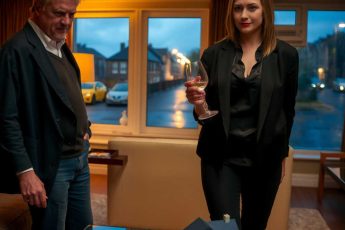
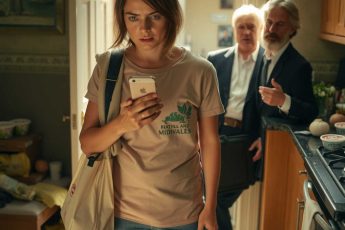
I still recall the odd episode at the old stone cottage down in the Cotswolds, a tale that has lingered in family whispers for decades.
Whatever could you possibly need? I had asked, bewildered, when my mother, Martha Susan, turned to me with that weary look that had become all too familiar since the funeral. Her husband, Edward, had passed away just after the fortyday mourning period, his heart giving way to an acute coronary flareup. The doctors had rushed him to StThomas and, within hours, he was gone. The loss hit Martha hard; the neighbours whispered that a sixtyyearold widow like her would soon be left to her own devices, that shed need no man at all.
Edward had left behind a modest threebedroom house and a plot of land that had been halffinished when I was still a child. One crisp Saturday in late April, I drove up to the cottage to begin the sowing season, only to find a stranger rummaging through the garden, his trousers down to his ankles. He was the physician who had tended to my mother DrRaymond Hargreaves, a kindly soul in his late fifties, who, it seemed, had decided to conduct his rounds in his undergarments.
The sun beat down mercilessly, and it took a fair dose of nerve to stroll about a strangers garden in such a state. Martha met me at the doorway, her face a mix of irritation and concern.
Whats this then? she asked.
Whatever could you possibly need? I repeated, my voice tinged with disbelief. The gardens the garden planting, weeding, the usual. Have you lost your mind, mother?
She gave me a measured stare. Whats wrong with you, Ethel? Speak plainly.
DrHargreaves, unperturbed by his lack of trousers, stepped forward and offered a polite greeting. His composure in the face of my teenage outrage was oddly reassuring. He seemed to think his attire was irrelevant, a testament perhaps to his steadfastness.
I nodded, the conversation dying on my lips, though shame and curiosity churned within me. I wasnt ready to bolt; it would have seemed as if I was abandoning the field before the battle began. Yet staying felt absurd the man was practically naked, and my mothers eyes glittered with a strange enthusiasm.
After a sip of water, I pressed for answers. Why are you here like this, and what are your plans with Mum?
Martha chuckled, a dry sound. Hes practically part of the family now. As for plans were thinking of marriage.
Marrying him outright? I gasped, my heart thudding. What about Edwards memory, his eternal love? Isnt that sacrilegious?
Martha laughed, a fleeting, brittle sound. We can marry crookedly if we must! And you, Ethel, would do well not to hover about. The gentleman is embarrassed enough as it is.
Embarrassed? In his underpants? I muttered, incredulous. He could be embarrassed elsewhere, but why here?
My dear, without his trousers hes uncomfortable enough, she replied, eyes twinkling. We love each other, and soon this will all be ours my cottage, his heart.
She urged me to leave, insisting I had no right to claim a share of an inheritance I never owned. The cottage, after all, was registered solely in her name; Edwards name never appeared on the title deeds. It was therefore not a joint estate, and the law would not recognise any claim on my part.
I sank onto the garden bench, feeling utterly invisible if Marthas words were true. The land had originally been allocated to my grandmother, who had received it from the Ministry of Housing back when council plots were handed out to workers. The house had been built before I was born, and the extensions raised while my mother was still a child.
Why is it only you listed as the owner? I asked the young lawyer, Victor H. Blythe, who had arrived to mediate the dispute.
My late husband never cared for material things, Martha said. He lived in his thoughts, not in bricks.
As Victor spoke, DrHargreaves, still in his scanty attire, paused his digging of the freshly turned soil, glanced at his own balding scalp, and gave a halfnod that seemed to say, Im with you, dear. A flicker of satisfaction crossed his eyes, more than professional pride.
The seedlings lay out in the sun while I sat in silence, realizing I might soon have to part with the cottage altogether. Legally, I held no title; I was a child when the deed was signed, and the law would deem me an heir only after reaching adulthood. Yet the notion of leaving the place that held my family’s memories was painful.
Back in the city, my husband, Maxwell, and I married ten years, with our eightyearold daughter, Lily, spending her holidays at the cottage discussed the growing tension. Maxwell, a bank clerk from Manchester, frowned at the news. So your mothers in the hospital with a heart condition, and now shes courting the doctor who treats her in his underwear?
I sighed. The cottage isnt shining for us any longer, and the flat we own isnt clear either.
Maxwell tried to lighten the mood. Ah, motherinlaw, that old chestnut! Even a coronary flareup cant stop a good drama. He recalled the name of the doctors surgeon, Ribbleton, the same one whod once walked the garden in his skivvies.
I looked up his details online and discovered that DrHargreaves full name Raymond Henry Hargreaves was already married, a fact that made my mothers sudden plans all the more bewildering.
Perhaps he intends to divorce, I mused. Bigamy isnt allowed here, of course. We should discuss this with Grandma Martha.
We drove to the office of our family solicitor, a sharpdressed man known in town as the Devils Advocate, who had a reputation for never losing a case. He explained that any property acquired during the marriage, even if registered in one name, was deemed joint marital property under English law. Therefore, the cottage, though in Marthas name, was partly ours.
Armed with this counsel, we returned to the cottage, hoping for an amicable resolution. Instead, Martha barred us at the gate, declaring, No entry for you, my dear! I wont be bullied by a frail widow with a failing heart! Her voice rose, echoing over the hedgerows.
Then we shall take it to court! I shouted, my frustration spilling over the fence.
The doctor, now fully clothed, sauntered out with a smug grin, proclaiming his right to the land. The legal battle that followed sparked a wave of indignation in the community; a mother suing her own daughter felt like a betrayal even to the dead.
The court eventually awarded me a quarter of the cottage and a quarter of the flat, the rest going to Martha. It was not a grand victory, but it settled the matter. Martha, still defiant, threatened to sell the cottage, but we negotiated a buyout. I relinquished my share in the flat in exchange for full ownership of the cottage, and she retained the remaining properties.
Our brotherinlaw, DrHargreaves, disappeared from the hospital shortly thereafter, perhaps embarrassed by the whole affair or simply retiring. The money we gained did little to heal the rift, yet it allowed us to move forward, remarried, and celebrate new beginnings in a modest village hall with a proper band.
In the years since, Martha, now receiving regular cardiac care, has returned to being the loving mother, grandmother, and motherinlaw everyone remembers. She blames her erratic behaviour on a temporary cloud of confusion, a bit of Mercury retrograde, and the occasional solar flare a convenient excuse for the village gossip.
And so, looking back, I see how the cottage, once a tranquil retreat, became the stage for a drama that could rival any penny dreadful. The old stone walls still stand, whispering that even in the English countryside, hearts can be as tangled as the hedgerows, and sometimes, the only thing that saves you is a good solicitor and a dash of good humour.