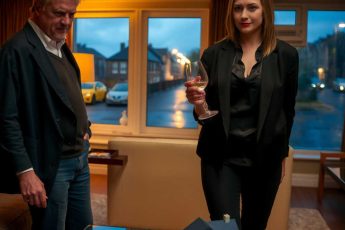
Dont bring my mother here, Anne said, her voice thin as the steam curling from the kettle.
What if? Paul began, his words trembling. What if we took her in?
Take her where, Paul? Anne gestured with a weary hand at the cramped twobedroom flat they called home, the sixty square metres that had become their world. Into the nursery? With Arthur and Lucy?
Lying there, sick with pressure sores, ducks waddling around, a bed thats a battlefield? Are you ready for the kids to see that? To breathe it in?
The family of four was winding down for the night.
Anne dabbed a sticky spot of orange juice from the kitchen table, nudging a toy fire engine out of the hallway with one foot. The engine had been hurled there by fiveyearold Arthur earlier.
In the bathroom, water hissed as Paul bathed twoyearold Lucy, his deep laugh echoing over the splash and Lucys startled squeals.
Anne smiled, feeling the tight knot in her chest loosen a little. It was a good evening, an ordinary one.
These were the moments she treasured most: the mortgage paid on time, a modest sum growing in their holiday savings, the fridge stocked, husband and children healthy.
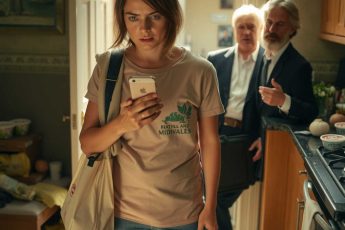
A phone on the windowsill buzzed, sliding a few centimetres across the countertop. An unknown number was calling.
Anne frowned. A creditcard advert, or another bank security alert at this hour? She lifted the receiver, her finger already pressing the green button.
Hello?
Anne? Its Auntie Zoe, a voice wavered on the other end. Zoe, Lauras neighbour from Bramley.
Inside Anne, something collapsed. Bramley was the tiny village where Pauls motherinlaw, Laura, had grown upa place they had erased from their lives two years ago.
Good evening, Auntie Zoe, Anne replied, lowering her voice so Paul wouldnt hear. How did you get my number?
I found it in Lauras notebook She wrote it down herself Oh, dear God, the woman sniffed. Anne, its terrible Lauras been in an accident.
Annes hand froze, rag still in her grip.
What do you meanin an accident?
On the motorway. She was heading into town, Im not sure why, late at night She swerved into oncoming traffic. The windscreen The car caught fire. The people inside survived, the airbags deployed, but the car the car and all the paperwork went up in flames.
Lauras in the regional hospital now, in intensive care.
The water in the bathroom fell silent. The door swung open and Paul stepped out, cradling Lucy wrapped in a towel. He smiled, chattering to his daughter, but stopped short when he saw Annes face.
Anne? Whats wrong?
She pressed the phone to her chest, inhaled a steady breath.
Auntie Zoe, I understand. Well decide something. Thank you for calling. She hung up and turned to Paul.
Paul, put Lucy down. We need to talk.
They sat at the kitchen table. The children, unusually quick to settle, lay downArthur and Lucywhile their parents exchanged looks that said something was terribly off.
Paul sat, his hands clasped together.
So shes alive, he said hoarsely, staring out the darkened window.
The doctor said her condition is serious but stable, Anne murmured, turning the phone over in her hands. Her hip its a mess, bones shattered, ribs, neck. Surgeries are planned, but
What but?
The doctor was blunt: shes going to be bedridden for at least six months, maybe longer, given her age and how shes taken care of herself.
Pauls cheek twitched.
The car was destroyed? The documents?
Burnt to the ground. Auntie Zoe said she didnt understand how Laura ended up on the wrong side of the road. Maybe she felt faint, maybe she was distracted.
Paul rose abruptly, pacing the cramped kitchentwo steps forward, two steps back.
Two years, he said, not directing it at anyone. Two years we lived quietly, just breathing. Then these calls, the complaints, the pressure to give Laura the flat she kept nagging, saying we should sign it over to her.
He called Arthur a troublemaker, said Id led him astray
Anne moved toward Paul, a sad smile on her lips.
Paul, lets not linger on the past. We need to decide what to do. The doctors waiting for an answer. Tomorrow theyll move her from intensive care to a trauma ward. Shell need constant care.
The nurses there will only visit once a day for free, Paul said, his voice flat.
What kind of care are you suggesting, Anne? Do you expect me to quit my job and become a fulltime carer? Or should I resign?
Weve just started to stand on our own feet. We have plansreplace the car, pay for the kids activities.
Theres an option with a livein carer, Anne began cautiously.
Youve seen the price? Paul cut in. A 24hour carer costs at least £1,600 a week, not counting medicines, diapers, food. Thats almost my whole salary, Anne. Or yours, if youre the one earning.
I know.
What will we live on then? Bare beans? For whose sake? For a woman who threw us into the deep end, who never wished us happy birthdays, who kicked me out in the rain while I was pregnant?
His voice cracked, the old childlike resentment surfacing.
The same resentment I carried from being raised by my grandparents while my mother chased her own dreams, swapping men like gloves.
Paul, she cant even turn herself over, Anne whispered.
What then?! he shouted, angry. Its her fate, Anne! Why should weour kidspay for this?
Because if we dont, youll eat your own words, he snarled.
Paul fell silent.
I dont love her, Anne, he admitted in a low tone. Its its almost cruel to say, but I dont love her. I feel nothing but hatred.
I know. I dont love her either. After what she said about my parents about us theres no room for love.
But why bother?
Because were human, Paul. Not beasts. Justice demands we look after her, even if it feels unfair.
He smirked, bitter.
Justice, right? Where was justice when I was the kid in school wearing handmedowns, and she showed up once a month with a bag of sweets, playing the perfect mother to the neighbours?
Where was justice when she demanded money wed saved for the birth?
Theres no justice there, Anne said firmly. And there wont be any now. Were not talking about her; were talking about us, about how well live after this.
Paul lifted his nose, trying to look dignified.
Fine. Lets tally what we have.
On the car fund weve saved £300,000, and £200,000 for holidays.
Half a million, Paul shook his head. The operation is covered by the NHS, but the implants might need to be imported, pricey. Medicines a carer
He pulled out his phone, opened the calculator.
A private carer in a hospital costs about £2,500 a day. Thats roughly £75,000 a month. Six months would be £450,000.
Annes eyes widened.
Thats everything we have, Paul. And then some. Wed be left with nothing.
Pauls voice trembled.
What if what if we brought her here?
Where, Paul? Anne swept her arm over the flat. Into the nursery? With Arthur and Lucy?
Lying there, with pressure sores, with ducks Are you ready for the kids to see that? To breathe that?
No, Paul answered quickly. No, of course not.
Into our bedroom? And we sleep on the sofa? When will you work? Shell demand attention every second. You know shell drive us mad.
She would manipulate, plead, cause fights. Wed split up in a month. I cant do this, Paul. Ill break.
Paul lowered his head. He knew she was right. His own mother had a knack for turning a house into a nightmare.
So no choice, he said. Either we lose the money or we what? Leave her there?
Social services, Anne suggested. We could try to get her into a staterun care home for the elderly.
Youve been to places like that? Paul winced. Its a hospice, a oneway ticket. Shell be there for two or three months, then?
At least its free. The state will look after her, on a pension.
Paul paced again, measuring the tiny rooms with his steps.
I cant, he finally said. I hate her, but I cant send her to to that place. Id lose whatever respect I have left for myself.
Anne exhaled.
Alright, then this is the plan. She grabbed a notebook and pen from the fridge.
We wont drain our savings. Well hire a private carer, but not through an agencyjust a freelance one. We can negotiate a rate of around £45£50 an hour.
Its still a lot.
It is, but we can cover it with our current income if we slash everything else. No restaurants, no cinema, no new clothes for six months.
The car we wont buy a new one yet.
The emergency fund will go to meds and unforeseen costs.
Paul watched her write numbers, an odd admiration blossoming for her determination.
When will she be discharged? he asked. In a month or two?
Then well need somewhere for her. The village house has no amenities; its a shack. Shell need a cheap studio flat with basic facilities, plus a carer to travel there.
That adds another £15£20,000.
Yes.
Well work for her for a year, maybe two, until she can stand again. Or maybe she never will.
Paul, Anne set down her pen, her voice steady. We will not bring her into our flat. Thats my condition, the main one.
I want to keep our family, our sanity, our childrens childhood. For that comfort, we pay with money. Were buying our peace.
Paul was silent for a long while.
Buying peace sounds cynical, he finally said.
But its honest. Well cover her doctors, food, hygiene. Well visit every fortnight, drop off supplies.
He wrapped his arms around Anne. What would I do without you?
They followed the plan Anne had drawn. The first meeting with Lauras family was tense: the mother blamed her son for ending up disabled. Anne was also accusedby the motherinlawthat it was because of her that Paul had turned his back on his own mother.
They found a carer, bought everything the doctors ordered, and slowly began hunting for a modest flat for Laura and the motherinlaw, while fielding endless phoneinsults. They endured it because, after all, they werent beasts.