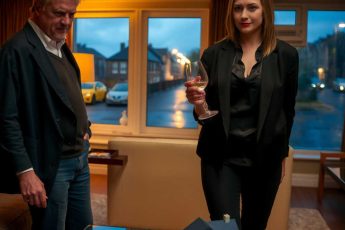
“Dont even think about bringing your wife into my flat,” declared Mrs. Leonard to her son, Peter.
Margaret Leonard had been preparing for this conversation for three weeks.
It was obvious. Shed polished the old china set she hadnt touched since Peters fifteenth birthday. She baked an apple and cinnamon piethe one Peter loved as a little boy. She arranged the teacups, set the table.
Peter arrived just after Sunday lunch, as theyd planned. He came in, looked around. Somethings up, he thought. Took off his coat. Wandered into the kitchen.
Mum, you look awfully grand today.
Sit down. Margaret Leonard gestured. Do you want some tea?
Please.
She poured the tea. Pushed the pie towards him. There was a pausea long silence, the sort before diving into icy water. Then she stood, left the room, and returned with a stack of papers.
She set them on the table.
There, she said. The deeds to the flat. Ive decided to transfer it into your name.
Peter looked at the folder, then at his mum.
Mum
Let me finish, she cut in, raising a hand. I wont be getting any younger. This place is too big for just me. It should be yours. Well have it sorted officially, Ive already checked.
Peter gazed at her, sensingthere was a but waiting in the wings.
It didnt take long.
Theres only one thing, she continued, voice even, nearly casual. Dont bring Emily here.
Peter set his cup down.
Youre joking.
Im not.
Mum, Emilys my wife.
I know exactly who she is. Margaret folded her hands on the table. Peter, this flat is family. Your dad lived here. You grew up here. Ive spent my life here. I dont want her running the place. I just dont want it.
Shes not running anything. Shes my wife, she visits.
You can visit by yourself, Margaret nodded at the folder. The flats yours. Live here as much as you like. But not with her.
Peter looked at his mother.
She means it, he realised. Shes spent weeks gearing up for this. Baked me a pie.
Has she done something to upset you? he asked softly.
I never liked her, Margaret said quietly, simplyas if that explained everything.
It took Peter a long time to get home.
Not because of distancejust a fifteen-minute drive, he knew every traffic light. But he drove slowly. Took the wrong turn. Pulled up at the corner shop for no reason, sat there, then drove on. His thoughts spun, a clunky fridge on a summer day.
Three bedrooms. High ceilings. Dads bookcase, running along the wall. The kitchen where Mum cooked Sunday roasts, where he sat doing homework. The flat was lovely. They didnt make them like that anymore.
Peter parked up outside his building. Stayed in the car, thinking. Then went inside.
The whole place smelled of something stewedEmily pottering in the kitchen, humming off-key, oblivious. He took his shoes off. Walked to the doorway.
Youre home early, she said, not turning round. I thought youd be at your mums all day.
It didnt work out.
Something in his tone mustve given it away. Emily turned, searched his face the way people do when they dont ask questions but understand everything anyway.
Sit down, she said. Dinners ready.
They ate. Peter told her everything, sparing most of the detail.
Emily listened. Didnt interrupt. No frowning, no drama. Only once, when Peter reached the words dont you dare bring your wife in here, did she ever so slightly shake her head, as if confirming something to herself.
Shes felt that way for a long time, Emily said, quietly, when hed finished.
You knew?
Nobut I guessed. She put her plate in the sink. Paused. Peter, the flat is beautiful. I understand.
Its not about the flat.
How can you say that? she said, facing him now. Three bedrooms, a great area, its well, its a lot. I dont want you to lose that because of me.
Peter looked into her eyes.
Em
No, wait. She stopped him, hand up. I mean it. If it matters to you, well find a way. I wont take it personally. I wont live thereso what? Itll still be yours, itll be for our family. Ill find a solution.
Peter went silent. For a long while.
He hadnt expected that. On the way home, hed braced for tears or angersomething he wouldve understood, something she was perfectly entitled to.
But she said, Ill find a solution.
Calmly. Like someone who refused to be a pawn in someone elses game.
Peter got up, pacedthree steps there, three steps back; their kitchen was cramped. Stopped by the window.
Em, he said. Do you realise what shes done?
What?
Shes offered me a deal. Peter spoke slowly, piecing it together in words. The flat, in return for not letting you cross the doorway? Shes buying my choice. Not gifting me the flat. Buying. And the payment is you.
Emily just watched him.
Peter. Its her flat. She has the right
She does, Peter agreed. To control her flatof course. But not me.
He sat again. Poured himself tea.
You wont carve out a solution, he said. Because its not really about the flat. Its about her thinking she still owns me. Thirty-eight years, never once crossed her. Shes grown used to that.
Emily was quiet. Then, very softly:
I know.
How?
Ive spent four years trying with her, Peter. I call at Christmas. I brought her the blackcurrant jam she likes. I ask after her health. Emily spoke without bitterness, only tired, as if discussing something long settled internally but spoken aloud for the first time. She doesnt see me. Im not a person to her. Im what took away her son.
Peter looked at his wife.
Hed never noticed.
Will you go and see her? Emily asked.
Yes, Peter replied. In a few days. I need to think through what to say.
All right.
Youre not asking how Ill decide?
Emily gave him a gentle, surprised look.
No, she said, honestly. I trust you.
ThatPeter thoughtwas what really left him shaken. Not his mothers condition. The trust in Emilys words, and the feeling that hed have to live up to it.
On Saturday morning, Peter rang his mum.
Margaret would recall later that, even from that call, she sensed something was differentnot the usual, Hi Mum, how are you, shall I come by on Sunday? There was a new note in his voice, missing the faint apologetic tone so familiar these last twenty years.
Mum, Ill pop round today. About three, if thats okay?
All right, she said, and waited.
At three, he rang the bell.
Margaret opened up and noticed immediately: no flowers, no groceries from the corner shop like he usually brought. Just a coat and keys in hand. He slipped off his shoes, headed for the kitchen. Sat.
Margaret hovered with the kettlemuscle memory.
No need, Mum, he said. I cant stay long.
She set the kettle down, joined him. Looked her son in the eye.
Well, Margaret broke the silence. Have you decided?
I have, Peter said.
He took his time.
Mum, can I ask you something first?
Ask away.
When Dad was alive, Peter began slowly, would you have ever made him an ultimatum? Like this: do as I say, or you lose something important?
Margarets lips parted, then closed.
Thats different, she managed.
How so?
Becausehe was your dad. And youI worry about you.
Mum. Peter spoke softly, almost tenderly. Youre not caring for me. Youre holding onto me. Its different.
Silence thickened the little kitchen, dense as wadding.
For four years, Peter said, Emilys tried to reach you. Did you ever once answer her like you would a real person?
Margaret didnt reply. Stared at the table.
Do you know what she says to me after every call? Peter went on. Nothing. Just smiles, says its fine as long as youre okay.
He paused.
I asked her if she minded. She said all she wants is for you to be happy with me. Thats it.
Margaret glanced up at her son.
She suggested she wouldnt live in your flat, if it mattered that much. Do you see? She offered. So it would be easier for me.
Peters voice trembled.
The flats yours, Mum.
Youre turning it down, she saidan assertion, soft, incredulous. She didnt believe it. Shed been sure hed accepthe always accepted. Because she believed she knew what mattered to him.
Im not turning down the flat, Peter said. Im turning down your condition. Theres a difference.
So, shes worth more than me. Margarets voice hardeneda last defence. Worth more than your mother.
Peter let out a long sigh, the sort you take when you want to say what you think, not what you should.
Mum, its not a contest. Youre both my family.
Pause.
But for some reason, youve decided its a competition. And you expect to win.
Margaret was silent.
I love you, Peter said. That wont change. Not for any reason, not ever.
He stood, took his coat.
Call me when you want. Ill come.
Margaret said nothing.
Peter left. The door quietly clicked shut.
Margaret stood alone. She went to the window.
Outside, Peter got into his car. She looked down on his hunched shoulders, the way he paused for a moment before climbing in and driving off, not once glancing up.
Margaret stayed by the window long after his car disappeared. Thinking. About what, she couldnt have said. But her eyes stung in the hush of the kitchen.
For three weeks, they barely spoke.
Peter sent the odd message: Mum, how are you? Margaret replied: Im all right. And that was that. A British Im all rightwhich could mean anything from Im fine to I havent slept in three nights, but I wont say so.
Then, something happened.
Margaret was heading back from the chemistnot the closest, but the one further off, down the high street, where tablets were thirty pence cheaper. Thirty pence isnt much, but at sixty-nine, and with her pension, every little counts. She took a shortcut through the back lanes. Thats when she spotted Peter.
He was standing by his car, bonnet up. Next to him, Emily, in an old jacket, oil smudged on her sleeve, chatting away. Margaret couldnt hear from that distance. Peter said something back. Then Emily laughedhead back, bright, happy.
Peter laughed, too.
Margaret stood there.
She watched them from afarthe two of them, autumn leaves blowing in the yard, laughter echoing beside an open bonnet. Ordinary, everyday bliss.
He hadnt left her. He was simply living.
That was the revelation. As simple as it was uncomfortable.
All this time, shed thought Emily had taken him away. Stolen him, pulled him apart from her. But there they stood, a Saturday afternoon, covered in car oil, giggling shoulder to shoulderno one had stolen anything. Her son had his own life. He always had. Margaret just hadnt wanted to see it.
She turned homeward, quietly.
Once inside, she placed the pharmacy bag on the table. Sat for a long time in the kitchen, gazing at the garden.
Then she stood. Got out flour.
The pie took her an hour and a half to make, longer than normalher hands trembled, she misjudged the sugar twice. She made it with blackcurrants. The same jam Emily always brought, the jars Margaret hid in the cupboard and never opened, out of pride.
She opened one now.
Two days later, she phoned Peter.
Ive baked a pie, she said. Far too much for one.
A pause.
Will you both come round? she asked, and her voice wavered, softer, roughened by effort.
Peter hesitated a moment. Just a moment.
Well come, he said.
When the doorbell rang, Margaret opened up and found the two of them: Peter with flowers, Emily with a carrier bag. She looked at Emilywho simply looked back, calm, unguarded, not expecting, not resenting.
Come through, Margaret said.
The kitchen barely held three, but they squeezed in. Somehow, it worked.
So, Margaret said, slicing pie, tell me how you two are getting on these days.
Emily met her eyes.
We will, she said softly, smiling.
Margaret served a generous slice. It was a beginninga small, awkward, blackcurrant-scented new start.