My Ex Decided to Be a Father
She saw him before he had the chance to say anything.
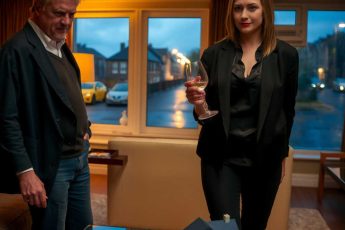
Seven years. For seven years, she had occasionally wondered how it would happenif it ever did. She had pictured it in all sorts of ways. In some, she cried. In others, she said something sharp and precise that would leave him hurting. But as Simon Green sat in the corner of her restaurant, looking at her like a man who had rehearsed this meeting for a long time, she felt none of the things shed expected. Just a faint irritationlike a fly buzzing in a room.
Emily made her way to his table. Not because she wanted to, but because this was her restaurant. More precisely, her venture, her work, her name carved into the sign”Severine & Partners.” She wasnt about to retreat from her own territory.
Emily, he said, standing awkwardly and pitching his voice just sotrying to sound vulnerable. You look remarkable.
Simon, she replied, her tone even. Have you ordered yet?
I came to talk to you.
Our waiters start from age eighteen, she said lightly. Youll have time to talk before your menu arrives.
She sat downnot out of interest, but because towering over him felt too theatrical, and shed lost her taste for drama long ago.
So thats how it began. Or, to be honest, how it ended. But to understand why Emily Severine gazed at her former lover like someone inspecting cracked paint on a wall, you need to go back. Not too far. Seven years and three months will do.
Her name was just Emily thenEmily Harper, age twenty-six. She was a self-taught designer, working part-time for a small construction company. She drafted flat layouts which were then picked over by more experienced colleagues. She earned just enough to rent a room in Manchester and eat without much fuss. Still, she had Simon. Simon Green, thirty-one, a manager at a property firm, handsome with a confidence that, with age, either becomes depth or turns empty. She thought it would be the former.
Theyd been together for two years. She thought it was real.
That October evening, she called with what felt like good news, her voice trembling, squeezing the phone in both hands, watching the rain trace down the window.
Simon, I need to tell you something.
Go ahead, Im listening.
Im pregnant.
A pause. Not the sort that comes with surprise and delightbut the other kind; the one where a person tries to find a way out.
Emily, he said at last, Thats I dont know. I need to think.
Alright, she replied, something tightening inside, but she forced the feeling away.
He thought for two days. On the third, he arrived with his things. Not all, just what hed kept at hers. He left a bag at the door, speaking without stepping inside.
Im not ready for this. You know Im going through a tough time right now. I cant handle this responsibility.
What tough time, Simon? she asked quietly.
Please, Emily. Dont make it harder than it is.
She didnt answer, just stared at him, realising shed loved a person who never existed. The face and voice were his, but insidea hollow shell.
A month later, mutual friends told her Simon was seeing Anna Temple. Anna Temple, thirty-five, owned a chain of beauty salons, lived in a plush Cheltenham flat, drove a new BMW, dined in posh restaurants. Emily heard all this over lunch, picking at a bowl of porridge in the office kitchen, and felt nothing at all. She was spent.
Winter was brutal. She lost much of her incomeher firm cut her to just a few hours. Freelance clients rarely replied. She saved wherever she could. Ate whatever was cheapest. Canceled the few subscriptions she had. Moved to a smaller room. The pregnancy went poorly. Her doctor warned her she was at risk and advised resta luxury that cost money she didnt have.
By February, at thirty-two weeks, she was whisked away in an ambulance. Something was wrong. The next hours were a blur of white ceilings and the dizzy sensation of falling away from the world. Her son, Tom, arrived earlybarely three pounds. They took him at once. She didnt even hear him cry.
For two long weeks, she visited the glass wall of the neonatal unit, looking at the tiny scrap in a box, hooked up to tubes. Two weeks: the slowest time of her life. Not because it was hard, but because each day she made herself one promisesimple, with no embellishments: if he survives, Ill become someone different. Not better or worse, just different. Ill learn to hold myself together.
Tom survived.
When they finally brought him to her, wrapped in a hospital blanket, small and warm with closed eyes, she didnt cry. She just thought: This is it. Something new has begun.
That first year blurred into a routine. Feed. Change. Train to sleep for three hours. Wake. Open laptop. Draw another layout. Send off another business proposal. Get another rejection. Send another. Feed. Rock to sleep. Nap. Repeat.
She learned to draw left-handed, as Tom could only sleep in her arms.
She took any orderbathroom redesigns for thirty quid, picking colour schemes for random kitchens from phone photos. At first, it stungthe pettiness, the cheap fees. But after a while, it was just work. What mattered was to do a good job, so clients would come back or spread the word.
By the end of Toms first year, she had around twenty regular clients. Not big, but reliable. Shed gotten better at hearing what clients meant, not just what they said. Something modern meant I want my friends to see Im successful. It must be practical meant I cant afford fancy, but I dont want to say it aloud. She learned to read people through their requests. That turned out to be a valuable skill.
In Toms second year, she rented a desk in a small shared office space. Not because she could afford it, but because working from a flat with a child made her feel unprofessional when dealing with clients. There she met Peter Somers. In his early fifties, Peter ran a small building firm, restoring old city houses and converting them for new uses. He was a quiet, observant man whod look a little longer than people expect.
Their first meeting was pure chanceshe was fighting with the office printer, calm and focused, no swearing, no drama. Peter watched her for a while.
Youve got patience, he noted, when the printer finally spat out her page.
Not really. I just know shouting doesnt fix printers.
He smiled, offered his hand.
Somers. Peter Somers.
Harper. Emily.
What are you working on?
She showed him her drawinga difficult flat in an old building, uneven ceilings, odd corners. He studied it silently for a long moment, then said,
You know someones been fiddling with the supporting walls here, without an assessment?
I didnt know there was an assessment. This isnt my design, Im just doing the final version.
Where are you from?
I work alone now.
How long?
Second year.
Before?
A bit at a construction firm. Otherwise, myself.
Education?
Left university incomplete. Architecture.
She didnt explain why she hadnt finished. He didnt ask.
Ive got a project, he said. Nothing huge. Old merchants house by the Tyne. I want to make rentable workspaceoffices, a shared lounge, a tiny café. My teams version is too generic.
I can look.
Come by Friday. Ill give you the address.
She did. Spent two hours there, measuring, taking photos, watching the light at different times. The space was awkwardtimbers, sloping floors, wavy walls. The previous designers had ignored those, shoehorning a cookie-cutter plan onto a unique site.
She took measurements, studied, then said,
This cant be generic.
I know.
If youre honest about it, you work with whats therekeep the beams, the odd windows, the old bricks. Dont hide them, celebrate them.
Will it cost more?
No. Its a different approach, not more expensive.
Make a proposal.
How long do I have?
As long as you need.
She finished in a weeknot because she rushed, but because the solution seemed obvious. Some tasks do that; they show you what to do, if you dont get in the way.
He looked over her design for a long time. Then, quietly:
Howd you know to do that?
What, exactly?
He motioned at her drawing. You kept the old brickwork as the cafés main feature. My team missed that completely.
Its beautiful. Why cover up something beautiful?
He nodded, slowly, as if settling a decision with himself.
Im giving you the contract. Full fee, formal. If it works out, therell be more.
It worked out.
The next three years, she and Peter worked on five projects together. She kept up her own clients, too. Tom grew. She hired a babysitter for a few hours a day; eventually, he went to nursery. She swapped her tiny room for a bedsit, then a one-bedroom flat. Then two. Bought a proper desk.
Peter never gave advice unless askedwhen she did, he was precise and practical. He knew everything about the building tradefrom clients to contracts to managers. Working with him, she learned not just design, but the markethow things really worked.
Peter, she once asked, after theyd handed over a site, sharing coffee, why did you hire me back then? I was a nobody.
You werent a nobody, he said. You were the person who spent half an hour fixing a printer, then showed me a drawing made by someone who thinks, not just copies.
Thats enough?
For me, yes.
That conversation didnt change things overnight. But it found its place among the experiences that quietly shape your sense of self-worth. Not pride, not vanity; just truth, calm and direct.
In Toms fifth year, she registered her own officeSeverine & Partners, though she had no partners yet. The name was a twist on her mothers maiden name, adjusted for a little elegance. Harper had become Severinenot hiding the past, but marking this as something new, her own.
The first year was tough. She hired people, made mistakes, lost staff to competitors. Each time, she figured out what went wrong, what shed do differently, then moved on. Peter gave management advice sometimesonly when she asked; never pushy.
Something between them shifted, slowly, almost unnoticed. Not like a bad romance film where one characters gaze lights up with sudden love. It was quieter. She found herself looking forward to their chats, valuing his opinions on more than just work. When Tom was ill and she missed meetings, Peter never complainedhed turn up at her flat with the papers instead.
One evening, they were stuck late over the figures for a difficult job. Tom was asleep in the next room; empty coffee mugs littered the table. She realised she hadnt felt that sense of peace in a long time.
Do you ever get bored? she asked.
With you?
In general. Youre always so steady.
Boredom is for people with nothing to do. Ive things to do.
I mean, outside work. She hesitated, unsure how to continue.
I know what you mean, he replied evenly. And no. Im not bored.
She didnt press it. He didnt push. But after that, something was differentmore certain, perhaps. As if both understood something and agreed, tacitly, not to rush.
When Tom turned six, she landed a big contract: a restaurant in one of Newcastles historic buildings. The owner, a trendy young restaurateur, wanted something original, with characterbut not olde English or stark minimalism. A third waysomething without a name yet. She knew precisely what he meant. After a few meetings, she showed him her design.
Thats it, he said. Thats exactly what I was after.
The project took eight monthsthe most complex shed ever done. Heritage constraints, strict ventilation rules, tricky acoustics, tight deadlines. She was in almost daily, watching the space take shapehow the old building gained new life, without losing the old.
When it opened, for the first time, she went not as a designer, but as a patron. Took a table, had a glass of water, and looked at what shed built. At the people inside, who couldnt know how many times shed redrawn the ceiling to get the curve just so. Or that shed taken two months to find that exact shade for the floorboards. That the exposed brick wall had reminded her of her very first project with Peter.
It was a quiet sort of satisfaction. Not pride, not triumphjust the satisfaction that follows doing something real.
Three months later, it was herein this restaurantthat she saw Simon Green again.
Do you know what this place is called? she asked, when their orders were taken.
Severine, Simon replied.
Exactly.
He looked at her the way once, long ago, she might have found handsometired, repentant, maybe even tender. Now all she saw under it was emptiness.
Emily, he said, Ive thought a lot. All these years.
Simon, she cut in, Are you here to talk, or deliver a rehearsed speech you hope Ill listen to?
He stopped.
Im listening, she added. Go ahead.
I messed up. I see that. I was scared. I couldnt handle it. I left when I should have stayed.
Go on.
My life isnt how I pictured it. Anna and I split three years ago. The business failed. Im in another field now, but its not the same. I thought about you. About the child.
Our son, Emily corrected him. His names Tom. Hes seven.
Something flickered across Simons facemeant to look like pain.
I want to see him.
No.
Emily
Simon, her voice was flat, You made a decision seven years ago. I heard it. Tom has a life now. Stable, full, surrounded by good people. Youre not included in it.
But Im his father.
Biologically. Thats the only role you have here.
You cant just erase someone.
She looked at him calmly. The way you look at an old architectural plan with a mistakeidentified and already fixed.
I didnt erase. I just kept living. Its not the same thing.
The waiter brought their water. Simon picked up his glass, put it down.
Im asking for a chance, he said quietly. Not for the past. For something that could have been different.
Simon, she said with precision, Im getting married.
He fell silent. Stared at her.
To whom?
To someone who was present when you werent. Who never questioned why I did this work. Who brought over documents when Tom was ill and I couldnt leave the house. Who saw a person in me, not a problem.
Emily
Dont, she said. Pleasedont talk about love. Not because its rude. It just doesnt matter to this conversation anymore.
He fell silent, eyes lowered.
She reached into her bag, pulled out a few notes, and set them on the edge of the table. Enough to cover his meal, and then some.
This is for the bill, she said. Thank you for the talk.
Youre leaving me money? His voice, caught between offence and confusion.
Yes, she confirmed. It sounds like youre in a tough spot. Consider it a no-strings handout. The food here is good.
She stood, buttoning her light grey coatfine wool, tailored in a small studio on Northumberland Street. She couldnt have afforded such a thing a year ago. Now, she could.
Emily.
She turned.
You havent forgiven me, he said.
No, she agreed. But it doesnt matter. Forgiveness is for people whose presence affects us still. You dont.
She walked between the tables. A few people glanced up. One man at the bar watched her cross the room. She didnt notice. She was thinking of other things.
The street outside was already dark. Late September, air sharp, stinging of rain and wet stone. She loved Newcastle in this seasonunvarnished, without the festival crowds or summer gloss. Just itself.
Peter Somers was waiting by the car. Not playing on his phone, just standing, leaning against the bonnet, looking for her. He wore a navy coat, no tiehe never wore ties when meeting her. Shed told him once that ties made people look like they were expecting a formal excuse.
That took a while.
Not reallytwenty minutes.
All right?
She paused. Thought about ithonestly.
I am, she said. Oddly all right. It feels as if somethings finally settled into place.
Are you cold?
No.
He took her hand, simply, without words, and they walked to the car.
Tom was asking when wed be back, he said.
When did he call?
About an hour ago. I told the babysitter wed be home soon.
Ill go and check on him later, she said. Just see him.
Of course.
They got in. Peter started the engine, but didnt drive right offjust looked at her.
Was he there?
Yes.
And?
Nothing. He said what people usually say. I said what needed saying.
You sure youre alright?
She turned to him, studying his face under the streetlightfamiliar, a bit tired, a bit restrained.
Peter, she said, You know Im not good at thanking people? I mean real gratitude, not just empty words?
I know.
So I wont say anything soppy. But you know anyway.
He nodded. Drove off.
They followed the river. Lamp posts reflected in black water. The Tyne in autumn is heavy and dark. Emily stared through the glass, thinking that the man now sitting in her restauranta man who had once left with nothing but a bagwas alone. That it neither chilled nor warmed her. The past isnt something you forgive or forget; its just part of the blueprint. You spot the errors, and that means you dont repeat them on the next project.
Tom was asleep when they got back. She stepped into his room and stood quietly by his bed. Seven years old. Sleeping on his side, ear pressed into the pillow, lips parted. Fully, utterly alive.
She remembered the glass of the neonatal room. That tiny scrap in a box, barely three pounds. Tubes, white walls.
Thats what shed been moving away fromnot betrayal, not pain, but the moment beside that glass, the promise shed made to herself. That promise, it turned out, was stronger than everything that came before.
She tucked in his duvet and left quietly.
Peter was at the kitchen table with a mug of tea, glancing at his phone. He put it down when she came in.
Hes asleep, she told him.
I thought so. Sleeping well?
As always.
She poured herself some water. Sat opposite him.
Peter, she said, Do you ever regret it?
What, exactly?
Thisus. That were now more than colleagues.
He looked at her for a long time.
Emily, he said. Only once in my life did I regret somethingnot talking to you about more than work, sooner. Thats all.
She nodded, took his hand, covering it with her own.
Outside, it rained, steady, unrelenting, the kind English autumn rain. In her restaurant on Northumberland Street, theyd be serving mains. People talked at tables, looked at the exposed brick and the light shed calculated for weeks. A table in the corner was probably already cleared.
She wasnt thinking of it. She was thinking that Tom had art class in the morninga highlight he loved. That her office had a meeting with a new client next weeka big opportunity. That the rain would last all night, and that was good.
That all thisrain, art class, the new project, the kitchen, this hand in hersshed built from scratch. One brick at a time, at three in the morning, child in arms, hunched over the drawing of a strangers bathroom.
This was her life. Not the life shed dreamed of at twenty-six, but anotherfar, far better.
Peter, she said.
Yes?
Its all good.
He squeezed her hand.
I know.
The rain fell. Tom slept. The restaurant stayed open until midnight. Somewhere in its warm, perfectly lit hall, a glass of water and a few notes lay untouched at a tables edge.
More than enough for dinner.
***
And, to be honest, the story deserves a little morewhats left between the lines.
In those first two years, when Emily Harper worked through the night, she sometimes wanted to ring Simon. Not to win him backjust to say: Look at what you did. Look at how we live. She never called. Not from pride, but the knowledge that the call was for her, not himand that what she needed, shed have to get another way.
There was one night in February, when Tom was around eight months old. Shed put him down, opened her laptop for a drawing, and stared at the screen. She simply couldnt. Her hands wouldnt work, her head wouldnt focus. She closed the laptop and sat in the dark for ten minutes. Didnt cry, just sat.
Then, she opened it again.
That was her choice. Not a grand, dramatic moment of strength. Just a small choice, in the dark: open the laptop, not close it for good.
She had to make that choice every daysometimes more than once.
Once the office paid properly, her first luxury wasnt a car or new clothes. It was an evening coursestructural engineering basicssomething shed missed at university. Because she wanted to understand what she designed, right down to the last beam. The teachermost of the class were twenty-somethingsasked:
Do you work in this field?
Yes.
Long?
A few years.
Then why a beginners course?
Because I want to knownot just assume I know.
He nodded. Never questioned her again.
This qualityknowing where your knowledge ends and choosing to learnbecame one of her most valuable assets. Clients sensed it. She didnt have to explain; when youre not pretending, people trust you.
Peter told her once:
Emily, Ive known people wholl take anything, tell customers what they want to hear. You refuse a third of the workyoure honest if a job isnt your field, or wont fit the schedule.
And?
And your diarys full three months ahead.
People are tired of sales talk, she said. They need someone truthful.
Quite right.
It dawned on her, then, that theyd stopped being just client and contractor long ago. There was something more even. No patronising. No sense of owing. Just a mutual respect for each others work. A solid foundation for everything else.
With time, she noticed things about him lost before in work talkhow much Peter read, and not just about business. She once saw a novel shed loved since she was young on his desk, and was oddly surprised.
Wheres this from? she asked.
Bought it years back. Reread occasionally. He glanced up. You too?
Loads of times.
What did you think of the ending?
They talked for an hournot about work, but books, what felt real and what didnt, how a story changes with age. It was their first conversation outside of business. Emily walked home thinking how long it had been since anyone listenedreally listened, not just waiting to reply.
She suddenly realised: with Simon, they barely talked. Watched films. Had meals. Discussed friends sometimes. It felt like connection, but was just sharing space. Empty.
In Toms sixth year, with the office thriving enough that she could aim above survival, she took him to a project site to see where she worked. He explored with wide eyes, touching the walls.
Mum, did you make this up? he asked, pointing at a ceiling beam.
I thought of how it should look. The builders did it.
But its your idea?
My idea.
He pondered this.
So its a bit yours?
Yesa bit mine.
He thought a moment.
Do all mums have a place of their own?
She hesitated, then answered,
Everyones different. But its better if you do.
He nodded wisely, pretending to understand. She took his hand and led him to see the future courtyard she intended to restore just as it was a century ago. Almost as it was.
There were setbacks, of course. Clients who paid half and disappeared. A contractor who messed up a wall, then insisted he was right. A rival who took her plan, tweaked it, and called it his own. Sometimes she solved it in talks; sometimes called a solicitor. Once, she stood on site with the contractor, showed him the plan, explainedcalm and thoroughwhat was wrong. He redid it without comment.
She wasnt what you’d call warm-heartedshe was fair. Theres a difference.
When Peter first suggested a dinner not for work but simply dinner, she asked,
You sure?
About what?
That its a good idea. We work together. It could complicate things.
It might, he agreed.
And?
And Im asking anyway. Not asking would be cowardly. And I dont want to be a coward.
She appreciated that: cowardly, not mistake. He knew the difference.
Alright, she said. But if things dont work out, we must return to being professional.
Deal.
They had dinner. Then another. Then it was clear there was nothing to return tothe work went on, but something else quietly joined it.
Tom accepted it with little fuss. Kids deal with change better than grownups, if you dont lie. Emily didnt lie.
One evening, she told him plainly:
Tom, Peter is someone important to me. Hell be here more. How do you feel?
Tom thought.
Hes the one who brought that cake for my birthday?
Yes.
Hes alright. He can come round.
A few months later, now often spending evenings together, Tom asked Peter,
Do you know chess?
I do.
Teach me?
If your mums alright with it.
Mum?
I dont mind.
So, most evenings, they played chess. Tom learned quickly. Peter never let him win, but didnt always win eitherexplained moves, waited for Tom to find his own answer.
Sometimes Emily watched from the kitchen as she cooked. Two figures at the board: one explaining, one thinking. No loud voices, no drama.
She realised: Thisthats what was missing. Not from Simon, but always. Just plain, quiet reliabilitysomeone there because they choose to be, not just out of habit or convenience.
He proposed without a fuss, late one evening after a meeting. Tom asleep, rain outside.
Emily, he said.
Yes?
I want us to marry.
She looked at him. Considered.
Why?
Because I want to be here. Not sometimes. Always.
Not very romantic.
True, he replied.
She smilednot big, but genuine.
Alright, she said.
Alright as in?
As in, I agree.
He brought the ring the next day. No box, no ceremonyjust slid it across the table. Simple, a small grey stone. She put it on straight away.
This was before that restaurant evening. This was what she carried with her, buttoning her coat as she left.
Now, the most important thingleft unsaid for Simon or anyone else, because some things are wholly your own.
Once, years ago, when Tom was about three months old, shed watched him finally settle, sitting alone at the window. She wondered if life was fair. Not in the fate sense, but simpleis it just? She decided it wasnt. Life is not fair and not unfair; it just happens. What you do with it is up to you.
That wasnt a revelation. Just a thought settling into its place.
The pain was real. It hasnt goneseven years on, its just not centre stage anymore. Its replaced by what she built, who she became, and those around her.
Betrayal didnt make her strongthats too neat an explanation. Strength came from all those daily small choices: opening the laptop in the dark instead of leaving it shut. Taking a tiny job rather than sulking. Visiting the neonatal glass and telling herself: one more day.
Solitude was real too. She didnt completely outgrow it, but learned to tell lonely-hurt from lonely-peace. The second she likedthe quiet when Tom was asleep and she worked, that quiet was hers.
A second chanceshe gave herself one, every day. Not once, not heroically, but in the little things. That, in the end, was the point.
That September evening, while Peter drove her home, she stared at the glistening lamps and didnt think of Simon but of the new hires needing more responsibility. That Tom would start school soon, so shed need to pick one. That she and Peter still kept separate places, and that would have to change.
Ordinary lifefull and complete.
By the time the restaurant tidied away the last table, the waiter picked up the notes. The bill was paid.
Every story closes, not because you plan it, but because sooner or later you open your mouth to speak about the pastand realise youre already talking about something else. About tomorrow. About schools, about expanding the firm.
That, perhaps, is what matters.
In the car, Peter put on quiet piano music. Emily leaned her head back and closed her eyes.
Tired? he asked.
No, she said. Its just good.
He said nothing. Just kept driving.
The rain didnt stop.
And somehow, that was exactly as it should be.