The day I laid my husband to rest, my son was already making plans for my life.
Just a week later, he turned up at my house with two dogs, as if everything had been arranged.
According to him, I was to look after them whenever he and his wife went away.
He didnt even ask.
He simply decided.
He simply announced it as he set the carriers down in my kitchen:
Now that Dads gone, you can keep them whenever we travel.
To him, it somehow made sense.
After all, I was alone now. And mothersso it seemsare always available.
I smiled.
But what Thomas didnt know was that I had been keeping a secret in my bedside drawer for months.
A ticket purchased to vanish for a whole year aboard a cruise ship.
Inside me, only one phrase burned, one that I had never dared to say aloud:
You underestimated me.
Because while my son was busy organising my future
I had already organised my escape.
And come morning, with the house quiet, the ship would be leaving.
What my children would discover that day
would leave them utterly speechless.
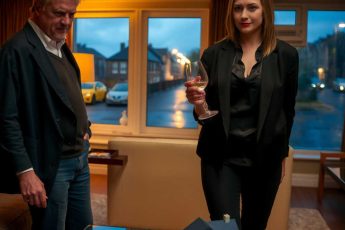
When Arthur died suddenly of a heart attack, everyone in Bath simply assumed the grieving widow, Margaret Elizabeth Foster, would remain where she was, quietly helpful and available for whatever was needed.
I organised the funeral myself, accepted embraces, endured empty condolences and let my children, Thomas and Catherine, speak in front of me as though my new role had been decided without me even in the room.
The helpful mum.
The available grandmother.
The woman who waits by the phone and fixes everyones problems.
I never told anyone that, three months before Arthur died, Id secretly bought myself a ticket for a year-long cruise around the Mediterranean, Asia and America.
I didnt do it on a whim.
I did it after years of feeling like my whole existence revolved around looking after everyone else except for me.
During the week after the funeral, Thomas came around twice.
Once, to hurriedly go over inheritance papers, his urgency leaving me cold.
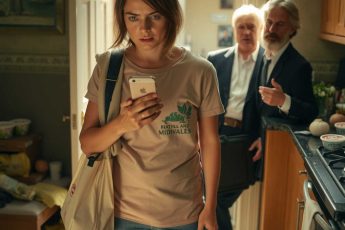
The second time, he arrived with his wife, Emma, two dog carriers, and an infuriatingly cheerful grin.
Inside were two little dogs, jittery and yappy.
We got them so the girls could learn responsibility, explained Emma.
Of course, the girls barely spared the dogs a glance.
The real responsibility was going to be mine.
Thomas said it in the kitchen, as I made us tea.
Now that Dads not here, youre free to have them any time were away.
He didn’t ask.
He just decided.
After all, he shrugged,
youre on your own and youve always liked caring for things.
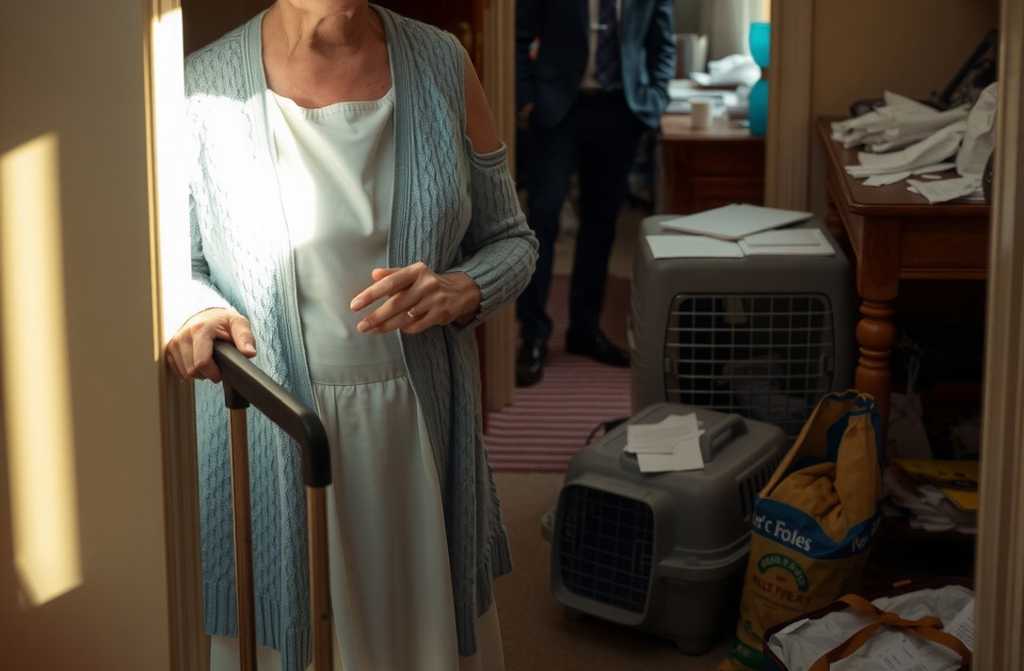
Emma plonked a giant bag of dog food by the table.
Then she stuck a sheet to the fridge.
A schedule:
7:00 breakfast
13:00 walk
19:00 dinner
Much easier for you this way, she said, trying to be helpful.
A flash of pure, clean anger ran through me and, oddly, I could breathe again.
They were parceling up my future like unwanted space in the family house.
I smiled.
I didnt argue.
I didnt cry.
I didnt so much as raise my voice.
I simply stroked one of the carriers and asked, calm as ever:
Every time you travel?
Thomas shrugged again.
Of course. Youre the one who always sorts everything.
He sounded proud.
As if it were a tribute.
But really, it was a sentence.
That evening, I opened the drawer with my passport, ticket, and the printed booking.
I looked at the sailing time out of Southampton.
6:10, Friday morning.
Less than thirty-six hours away.
Then my phone rang.
It was Thomas.
I answered, and heard the words that settled it all:
Mum, dont do anything odd. Friday morning well drop the dogs and keys round.
Thomas was absolutely sure his mother had no other option.
But while he slept soundly, Margaret Elizabeth Foster had already made the most outrageous decision of her life.
Half past three in the morning:
One suitcase,
a taxi waiting outside on the quiet street
and a secret my children wouldnt discover
until it was far too late.
Part 2
I hardly slept. Not from doubt, but a new sort of clarity. Some choices arent born from bravery, but sheer exhaustion. I wasnt fleeing from my children; I was escaping the invisible corner they’d painted me into.
At seven the next morning, I rang my sister Anne, the only person I could tell the whole story without needing to defend myself. I said:
Im leaving tomorrow.
She was silent for a second, then let out a small, surprised, delighted laugh.
At last, Margaret, she said. At last.
She spent the morning helping me with the practical things. I paid my bills, filed papers, put together a folder with certificates, deeds, and emergency contact numbers. I wasnt vanishing; I was leaving as a grown woman setting her own boundaries.
I looked up a local boarding kennel on the edge of Bath and rang to check times, fees, and requirements. They had space. I booked the two dogs for a month in Thomas Fosters name and had the confirmation emailed. Then I printed it.
At midday, Thomas called again to say theyd be off early Friday for Heathrow. He rambled on about a nice resort in the Canary Islands, how tired they were, how much they just needed a break. I listened in silence until he added:
Well leave food for the dogs and a list of their routine.
Those words turned my stomach. Not once did he ask if I wanted, could, or had plans of my own.
I hung up with a non-committal, Well see, which he didnt bother to question.
That afternoon, I packed a medium-sized, sensible suitcase. A couple of dresses, my prescriptions, two novels, a notebook, and the blue scarf I wore the day I met Arthur.
I wasnt leaving out of hatred for him.
I was leaving because, even during the good years, I forgot who I was before becoming a wife, a mother, a carer, and the answer to everyones problems.
Standing in front of the bedroom mirror, I really looked at myself, for the first time in years. I was still beautiful, in a calm, grown-up sort of way. I didnt need permission to exist outside everyone elses expectations.
Eleven that night, my taxi already booked for half-past three, Thomas sent another message:
Mum, remember, the girls have their hearts set on you looking after the dogs. Dont let us down.
I read it three times.
It didnt say we love you.
It didnt say thank you.
It didnt say are you alright?
It just said: dont let us down.
I took a deep breath, opened my laptop, and typed a note. Not an apology: the real story. I left it on the dining table, alongside the kennel booking and one house key.
I turned out every light, sat in the dark, and waited for dawn as you wait for a new heartbeat.
The taxi arrived at three thirty-eight.
Bath slept beneath a silvery mist, and I slipped out with my suitcase, not making a soundthough, really, I wasnt obliged to guard anyones sleep any longer.
Before locking the door, I cast one last look at the hallwaythe console eternally cluttered with other peoples bags, letters, problems.
Then I put the key through the letterbox, just as planned.
On the drive to Southampton, I felt no guilt.
I felt something elsestrange and almost unbearable for how unfamiliar it was:
relief.
Just after seven, settled aboard, my phone started to tremble again and again.
First Thomas.
Then Catherine.
Then Emma.
Thomas yet again, countless times, until my screen was full.
I didnt answer right away.
I sat by a huge window, looking out as the port woke up, and ordered a coffee.
When I finally looked at their messages, the first from Thomas was a photo of the dogs in their car and the words:
Where are you?
Next:
Mum, this isn’t funny.
Then:
The girls are crying.
And, at last, honest:
How could you do this to us?
I phoned him.
He answered, furious, hardly letting me speak.
Youve left us completely in the lurch. Were on your doorstep. Now what are we supposed to do?
I waited until he was finished, and then answered, calmer than I expected:
The same thing Ive always done, son: sort it out.
There was a biting silence.
I told him there was a kennel booking for a month, paid for, on the table, along with specific instructions that none of my personal things were to be touched. I made it clear that I would not give up my journeyand from now on, any help I chose to give would be by choice, not from duty.
He spat out,
Youre off on a cruise, with Dad barely gone?
I replied,
Precisely now. Because Im not gone.
He hung up.
Catherine messaged half an hour later. She wasnt especially kind, but at least less cutting:
You couldve warned us.
I wrote back:
Ive been warning everyone in other ways for twenty years. No one listened.
She didnt reply again.
As the ship pulled away from the dock, I felt a mix of grief, fear, and freedom.
Arthur was gone; that loss was real and sharp.
But so was the simple truth that I was not gone with him.
I placed my hand on the rail, breathing in the briny air, watching the city get smaller.
I didnt know if my children would understand in weeks, or years, or ever.
But for the first time in ages, that wouldnt decide my future.
If youve ever been turned into a walking obligation, then youll know why Margaret Elizabeth Foster didnt stay.
Sometimes, the boldest act isnt leaving at all, but refusing to be used any longer.
And you, in my placewould you have got on that ship, or stayed behind, repeating yourself for a hundredth time to people who never really heard you?
As for me, I learned this:
When everyone assumes youll always be there, its your job to remind them youre a person, not a convenience.