Friday, 22 September
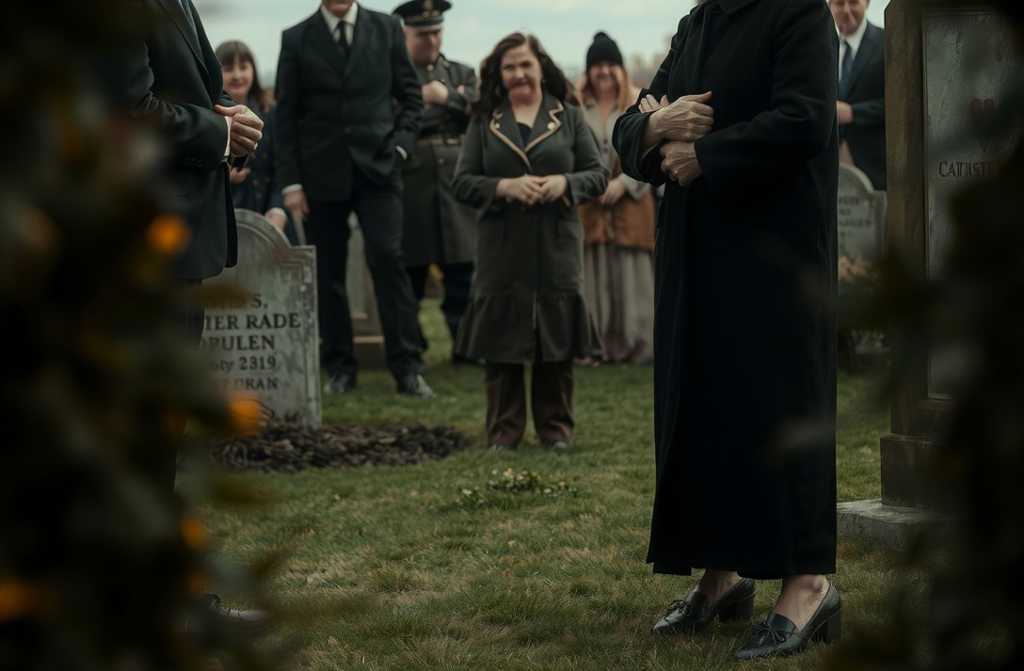
I never thought Id feel absolutely nothing at my own parents funeralnot even a hint of sorrow or guiltuntil today. Standing in the dry, windswept churchyard just outside Windermere, I found a perverse sense of satisfaction welling up inside me as I looked down at those plain pine coffins side by side, as unadorned in death as theyd insisted on living. My polished Oxford shoes were already gathering dust, but I barely cared. There mustve been thirty people gatheredall in black, their faces sombre, the women clutching handkerchiefs and the men holding their hats in hand. Even a few children loitered about looking bewildered.
It seemed the lot of them were all choking back tears, eyes red and swollen, except for meDaniel Cartwright, in my finest Savile Row suit, Swiss watch catching the midday sun, a faintly sneering smile on my lips. Theyd managed these sorry wooden boxes for their send-offIs this really the best you could do? I scoffed aloud, giving the left one a dismissive tap. Looks like something youd drag crates of apples in from the market. A few women glanced at each other but no one replied. Only old Mr. Farrow, the local joiner whod clearly built these on his own late last night, clenched his fists in silent fury. I walked a slow circle around the coffins, inspecting them from all angles, as if I was judging faulty furniture. And the flowers Did you just grab these from a hedgerow? Its more fitting for a stray dog than a person. I muttered. Then, for everyone to hear: Honestly, theyre still embarrassing even in death.
The air changed. Its difficult to describe. No longer a hush for the grieving, but simmering outrage. Aunt Maggie, kneeling by the nearest coffin, face puffy from weeping, raised her head and fixed me with trembling lips: Show some respect, Daniel. Those were your parents.
I ignored her, checked my phone, and sighed audiblyas if the very loss of my precious time was what stung most.
Thats when a sleek, understated black car pulled up at the edge of the graveyard. The driver got out and opened the rear door for a tall young woman, all business in her crisp suit, clutching a manila envelope and a battered old briefcase. I watched as she strode past the headstones towards our little gathering. Id never seen her before in my life. She spoke softly to Father Thomas, the vicar, who then nodded gravely.
My laughter faded for the first time since I arrived. Something about the way she held that envelope sent a chill down my spine, just for a fleeting second. But then I lapsed back to indifference, arms folded, staring at the sky. I couldnt have guessed that the contents of that envelope, bearing my name, would turn my lifes story upside-down.
To understand why I arrived at my parents burial with a smirkand what was hidden in that envelopeyoud have to look back, years ago and hundreds of miles south, to a squat brick house perched on the edge of the Yorkshire moors. Thats where my childhood began, where a barefoot boy with big dreams became a man desperate to escape the only place that ever truly loved him.
Our house wasnt on any proper map. Red brick, slate roof, a lop-sided wooden door that always let the cold in, and a kitchen window patched with a bit of patterned fabric. MumMary Cartwrightkept the path swept clear, never mind the wild rose bush that clung to the fence. Inside: earthen floor, rickety mismatched chairs, a battered table, and a shelf with a chipped porcelain Mother Mary under a halo of votive candles. Shed make do with baked beans, bread, or, on lucky days, a bit of corned beef shed tuck away for special occasions.
For Mum and DadMary and Albertthat little house had always been enough. Dad had built it himself, brick by brick; hed hauled in the floorboards from Kendal on foot. To him, the cottage was everything; a fortress built with the sweat of his brow, proof that you could carve out something of your own, even with nothing but your hands and grit. Mum saw the world in the same way. She found beauty in what others called squalor. But their son never understood any of it. I never understood any of it.
From as far back as I can remember, I was filled with a restless sense that something was wrong. Every term, Id watch the other village boys arrive at school with new backpacks, shiny shoes, and packed lunches full of sweets Id only seen in adverts. MeId turn up in Dads mended old trainers, a plastic carrier bag instead of a rucksack, and, if I was lucky, a couple of slices of bread and butter bundled in a tea towel. The others would jeer as I hurried by: Here comes the poor boy, Cartwrights lad! I learned to keep my head down and my jaw clenched, something curdling inside me each time.
Theres a moment burned into my memory: Mothers Day at school, when everyone was supposed to bring a gift. Other children arrived with shop-bought carnations, sparkling trinket boxes, and glossy cards tied with ribbons. Id brought a little cloth napkin, hand-stitched with M.C., that Mum had made for me after dinner by candlelight. It was wrapped in brown paper because we couldnt afford anything nicer. When I went to the front, someone shouted from the back, Looks like a cleaning rag! The room exploded in laughter. The teacher tried to hush them, but the hurt was done. I sat at my desk gripping the napkin with burning shame, willing myself not to cry.
That afternoon, when Mum asked how the day went, I muttered fine without looking up, and hid around the back of the house to stare at the hills, lips bitten raw not to let the tears come. I never told her that I threw her lovely napkin into the pubs bin on the way to school the next morning.
Once, when I was ten, I came home in tearsthere was to be a school trip to London, and the fee was £80. A kings ransom to us. I mustered my courage and told my dad, who was fixing the fence seat. Dad, I need some money for the trip. Everyones going. He looked up, set down his hammer, and replied quietly, We cant do that, lad. But youll still learn more here than anywhere else. I turned away, no tantrum, no words, just swallowed my feelings and went straight to bed. But lying awake beneath the leaky metal roof, listening to the rain, I made a vow: Id leave this house for good, find money, and never, ever be like my father.
So I started building a wall inside myself with each denial, each humiliation. I could never have known what I learned years later: that, less than thirty miles away, in a solicitors office in Lancaster, a young lawyer was managing land, investments, and bank accounts for a trust held in Dads nameAlbert Cartwright, the man who fixed drooping fences and always claimed we had nothing. My father was never poor, and that fact caught up with me only today, at the moment I most deserved to learn it.
I walked out of home in March at nineteen; no farewell, no embrace, just an old rucksack, a change of clothes, my birth certificate, and a one-way train ticket to London paid for with my weekend wages at the village shop. Mum saw me pass through the kitchen, wiped her hands on her apron, leaned against the doorway, and watched me walk the lane to the main road in silence. She didnt beg, didnt weep (not in front of me, at least), just said, God go with you, love.
Dad was feeding the chickens when the door banged shut and my footsteps faded. He didnt follow; just stood there, scattering corn, looking down. Hes gone, Mum told him later. Dad only nodded. Hell return. When he understands, hell come back. But I never did.
London was brutal. I worked anythingwarehouse labourer, builders assistant, handing out leaflets, sharing a grimy bedsit with four blokes, surviving off baked beans and the promise Ill never be like my father. Within five years, thanks to a mixture of cunning, ambition, and an ice-cold disregard for others, Id scraped together my own construction firm. In ten, I had a Mayfair office, a branded van, and a Notting Hill flat that was mortgaged up to my neck. Outwardly, Daniel Cartwright was a success story. Inside, I was desperately patching cracks as the debts stacked up.
The first year, I called Mum once. Im alright, Mum. Im working. She wept with happiness. The second, I phoned twiceall clipped, awkward, as if her voice itself reminded me I was a runaway child. The third year, I stopped calling. But every Sunday at seven, without fail, she would ring my number from Father Thomass phone box. It would ring four, five times, then go to answerphone. She always left a message: Its Mum, just checking on you. I love you. Im waiting here. Sometimes Id play them with a smirk in a posh restaurant, sometimes Id delete them without listening.
Dad never rang, but he wrote letters, with neat, wobbly handwriting on squared paper, about the weather, the state of the old rose bush, the new lambs in spring. He never scolded, never asked me to return, just described ordinary life so Id know home hadnt stopped missing me. Those envelopes wound up in my office bin, unread, year after year.
Eight years. Eight years of silenceof unanswered calls and discarded letters. Each night, I burned the memory of my parents a bit further away, convinced it was for the best. Only I never realiseduntil too latethat I was killing something far more precious.
Mums illness came suddenly, as such things do, striking down in places where the NHS isnt close by. Tiredness at first, then coughing, then terrible pain in her chestnothing the local remedies could touch. By the time they got her to the doctor in Kendal, the prognosis was blunt: her lungs were badly damaged; she needed medicine and time, both in short supply. Aunt Maggie all but moved in, making breakfast, bathing Mum, laying hot flannels on her chest. Her own grown kids fended for themselves; Mary needs me more than you do right now, she told them, and they understood.
Afternoons were hardest. Mum would sit in her little chair by the window, staring down the dusty lane as if expecting some familiar figure to appear. Every day: Is Daniel coming, Maggie? Every day: Of course he is, Mary, maybe today. Dad did what he couldchopping wood, fetching water, travelling into town for whatever pills were left. But there was something broken in his eyesnot just fear for Mums life, but the bitter knowledge that their son didnt knowor carethat his mum was dying.
Father Thomas tried to do what Mum couldnt any more: he rang me three times one week. The first, it went to voicemail; the second, my secretary told him I was in a meeting and couldnt be disturbed. The third time, I answered, and before he could get three words out about Mums illness, I cut him off: Father, with all due respect, I dont belong to that place any more. If its money you need, find someone else. Then I hung up. That was the conversation that ended it all.
December came, harsh and cold. Mums cough went on day and night, each breath a torment. Maggie slept by the bed, rousing at every groan. Once, in the early hours, Mum suddenly grasped Maggies hand: Hes come back, hasnt he? Daniels here Maggie swallowed and said softly, Yes, love, hes home. Rest now. Mum smiled and let herself drift away.
The very last night, she squeezed Maggies hand, whispering, Youve been the daughter God sent me when my son left. Maggie just wept and held her. At dawn, Mum asked for her favourite photo: me, age six, grinning gap-toothed, stood in front of the cottage. She clutched it to her chest as she slipped away, a smile on her lips, calling my name one last time. Maggie closed her eyes, settled the shawl around her shoulders, and walked out to fetch Father Thomas. She wept on the path, quietly, as women do who have learned not to disturb anyone with their pain.
Mum waited for me, and I never came. The funeral was simple as her lifepine box made by Mr. Farrow, wildflowers gathered by the village children, Father Thomass voice trembling at the service. The whole village attendedexcept me. Dad stood silent the entire time. He didnt cry, didnt move, just stared at the earth beneath the coffin as if seeing something invisible. Maggie gently touched his shoulder; he barely noticed. Stay a while, Albert, she begged. Ill just be a moment, he whispered, and stayed put as dusk fell and the night sky blossomed above the graves.
That night he shuffled back to the empty cottage, closed the draughty door for the first time, sat in Mums sewing seat, and never got up again. The next morning, Maggie found the breakfast untouched. Evening came; a bowl of stew left unspoiled on the table. By day three, she found him in that chair, eyes closed, wedding photo gripped tightly to his chest, a rare peace on his face. The doctor from town said heart failurebut everyone knew the truth. Dad died because Mum went first, and he could not remain.
Father Thomas found a thick envelope under Dads pillow, addressed to Ms. Louise Thompson at the solicitors, and a note: “For when the time comes.” He dutifully placed it in the sacristy, phoned the solicitor, and then called me. This time, he left a single message: “Your parents have both gone. The funeral is Friday.”
I was tying my tie when I heard it, paused for a moment, then adjusted my collar and went about my day. I decided to show up in Windermere, not from any sense of duty, but because the word inheritance crackled in the back of my head like a neon sign.
I arrived in a rented black Range Rover, unwilling to risk my real cars suspension on country tracks. My suit cost what half the village made in a year, and the dust claimed my shoes in seconds. The graveyard lay just outside town, amid wild hawthorn and low stone walls. The two coffins sat by the half-filled graves, garlanded with wildflowers and flickering lanterns while thirty people maintained stony silence at my approach.
I didnt greet anyone. Didnt approach the coffins with a shred of reverence. I strolled straight up, whipped off my sunglasses, and surveyed the scene as if I were reviewing an auction lot. A derisive, hollow laugh escaped me: Typicalgone just as they lived, with nothing. Several women crossed themselves; an old man spat. I gave the coffin a knock, adding, Not even a lick of varnish. Is this honestly all you could do? Mr. Farrow, the joiner, bristled, but his wife held him back.
I kept talkingabout the handmade clothes, about cancelled meetings in London, about how pointless this all was. No one said a word, but their silence was heavier than thunder.
Then Maggie couldnt take any more. She rose from her knees, red-eyed, and planted herself in front of me. Are you quite finished? she demanded, voice steady, chin high. I sneered down at her. And you are? I closed your mothers eyes for the last time, Daniel. I fed your father when he wouldnt eat. I held this family together while you played the tycoon in your London office. Your mother died calling your name. Your dad died holding your picture. And you come here to laugh at their coffins?
This time, the crowds stillness swallowed me completely. For a moment, there was a breath of shame or painbut I quickly smothered it. Listen, I said, Im not here for this circus. I just want my business sorted, and then Im off.
Thats when the solicitor stepped forward. Louise Thompson didnt flinchher voice was business, crisp, unwavering. Afternoon, everyone. Im here to execute the will of Mr. Albert Cartwright, as per his unambiguous instructions. The will is to be read in front of his family and the whole village.
I folded my arms, mocked a half-smile. Here it came: estate, willall the words Id been waiting for. Dad mustve kept something aside: maybe the cottage, a bank account with a few thousand at best. I started calculating, running numbers in my head. Louise opened her briefcase, removed a sheaf of official-looking documents, and began to read.
I, Albert Cartwright, declare the following as my last will and testament. The crowd held its breath. I possess 400 acres of farmland in Kentmere and Bowness, three residential properties in Lancaster, financial investments worth £200,000, and savings totalling £95,000.
The air went out of my lungs. Farmland, property, nearly £300,000more than I ever dreamed. My father, mender of old boots and patcher of roofs, sitting on a fortune. The figures glimmered in my brainthe money could clear all my debts, save the London flat, settle the companys creditors. I glimpsed my fresh start; a greedy, nervous smile appeared on my face.
But Louise continued: I hereby leave the entirety of my assets, without exception, to the St. Josephs Orphanage, whose care and teaching I owe my life to. This donation is irrevocable and has been registered legally as of 14 September this year.
My smile faded so slowlylike a candle burning out. At first just my lips, then my whole expression extinguished. What? was all I could manage.
All of Mr. Cartwrights assets have been legally transferred to St. Josephs, Daniel, Louise repeated. The agreement was finalised in his lifetime. It cannot be contested.
I scanned the faces surrounding me: the solicitor, Father Thomas, the villagers, every one of them pitying or witnessing my humiliation. I tried to summon a protest, my voice coming out thin and brittle: ButIm his only son!
Louise met my eyes steadily. Your father was well aware. He also left a personal letter for you. Would you like me to read it here or in private?
I fixated on that envelope, felt all their eyes on me. I tried to sound certain, but my voice wavered: Read it.
She drew out a blue-ink page folded twice; the handwriting unmistakably Dadsshaky, for all the years Id ignored his letters. She cleared her throat and began:
“Daniel, my boy, if youre hearing this, Ive left. And if Im gone, its only because your mum went firstand I never learned to live without her. Only Father Thomas and Louise ever heard the rest of my story. I never had parents. I was abandoned as a baby on the step of St. Josephs Orphanage, wrapped in rags, with no name. The nuns christened me Albert because I arrived in August, and Cartwright after the sister who found me.
At that orphanage I learned everything: to read, to work, to pray. I learned that love isnt measured by what you keep but what you give. They taught me to mend and save, not to want for more than I needed. When I left at sixteenjust a tote bag and the shirt on my backI made two vows: Id build a good life with my hands, and Id give back to the children who, like me, started with nothing.
Son, I saved all my life. Bought land no one wanted, put aside every penny. Yes, Daniel, I had money. More than you believedbut I never once touched it, because my wealth already belonged to someone else. I wanted none of those orphans to endure the loneliness I had. When you asked for things as a lad, and I said we couldnt, it was the truth. That money had a purpose already.
Was I wrong? Did I deprive you? Possibly, but I believed love, time, and a steady example would be enough. Maybe I was wrongor maybe you never cared to see it. I gave you my faith, Daniel. You returned silence.
So the money will go to those whove nothing. Those who, like me, started life abandoned. The money you worshipped will go to children who cherish a hot meal and a kind word. I dont say this in anger, Daniel. Only with the deepest sorrow, because I loved you fiercely from your first breath, and I love you still as I leave this world.
But love is not only feelingits presence. And you, my son, were never there.
Your father,
Albert”
Louise put the letter in the envelope and handed it to me with trembling hands. I couldnt meet her gaze, or anyone elses. All around, the village was silent, save for sniffles and the sound of stifled sobs. Even Father Thomass lips moved in quiet prayer.
I barely noticed as everyone left, one by onefirst strangers, then old friends, Aunt Maggie among the last. She stopped before me, her look half-pity, half resignation. I hope you learn what you had, one day, she said. She left me alone among the graves, the dying light, and the endless Lancashire wind.
For a while, I sat on the groundmy fine wool suit now caked in dust, Italian shoes sunk in the late summer mudutterly alone. Then my mobile rang. It was the bank managerhis polite tone belying the urgency in his message: Mr. Cartwright, we require urgent discussion of your business loan. Payments are three months overdue. I hung up. A second later, it rangvehicle hire company. Again, the building manager for the London flat. Each call another brick tumbling from my kingdom of sand. The truth Id tried so hard to hidemounting debt, no safety net; everything built on credit and pride. My empire was a mirage.
I glanced at the battered pine coffins Id scoffed at hours ago. Now I saw the hands that made them; the wildflowers the children gathered; the candles Maggie had kept burning. Dads patched shirt within the open crack of the lid, the sensible trousers, his old cap, the very clothes Id mocked. I understood at last: he dressed simply by choice, not necessity. Because, to a man left swaddled on a doorstep, richness was never about fine thingsit was love, community, and the people you hold close.
I slid the keys to the hire car into the ground, not caring where they landed. I heard Father Thomass footsteps behind me as he knelt down by my side, silent, wordless, a presence as steady as the fells. After a while, he pressed a photo into my handa crumpled, faded image. Your father wanted you to have this, he said softly. It’s all he left for you.
It was me, aged six, beaming in front of our little house, my shirt several sizes too big. Behind me, Mum and Dad, both grinning, Mums hands streaked with flour, Dads cap askew, their eyes saying I was their whole world. I hugged the photo to my chest and broke at last.
There, in the wind and dust and stillness, I wept for the first time in thirty years. Wept for calls never returned, letters trashed, messages deleted with a cold laugh; for meals shared, for £80 never scraped together, napkins sewn by a mothers tired hands, Dads silent expectation, and the gaping space at home.
I mourned everything they were to me, and all I had and never saw. The wind carried away the last trace of laughter, the dried flowers, and the bitterness. Daniel Cartwright, boy who chased wealth his whole life, found the emptiness that comes when you finally learn what it means to truly be richjust when its far too late.