
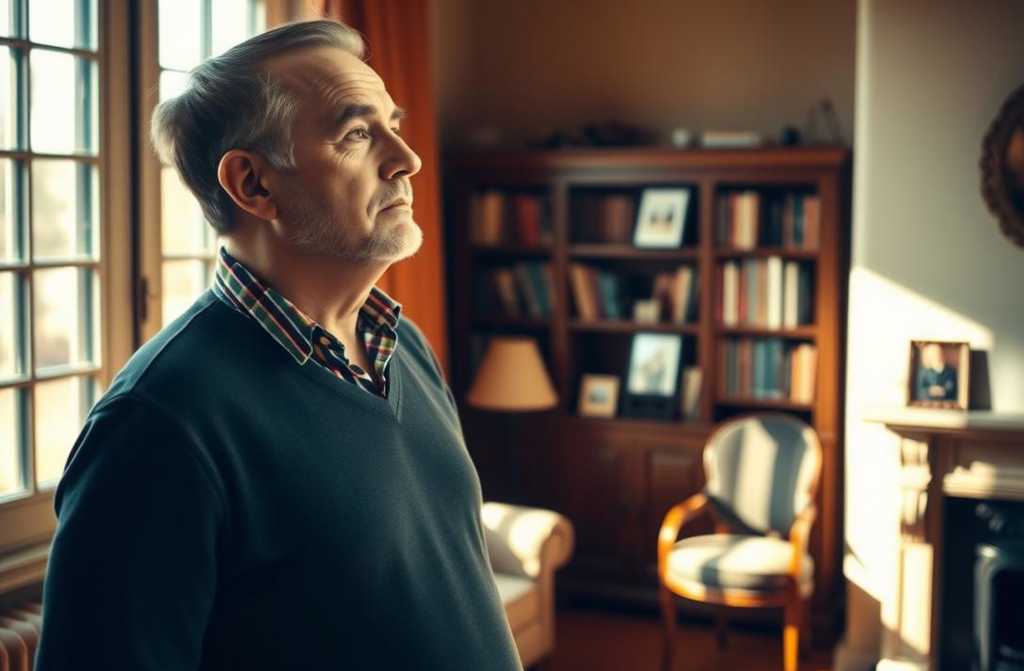
I turned my back on my family, and it was all because of my wife
I’m 44 now, and I grew up in what many would consider a dream-like family. My parents, both doctors with their own practices in a small town near York, were always caring, and my brother was my best friend from childhood through adolescence. It was the picture of perfect happiness, filled with warmth and support. But everything changed when she came into my life—the woman who turned my world upside down and ultimately shattered it.
I met Emily during my first year at university. She was my complete opposite, like night and day. Raised in an orphanage, she was adopted by a couple at age 11. However, her new family soon fell apart when her adoptive parents divorced, leaving her with her mother, who eventually succumbed to alcoholism. She barely had any contact with her father. Her life had been one of constant struggle, but she persevered with an iron will and determination to break free from her past. She got into university, funding her studies by working two jobs and studying late into the night, eventually graduating with honors. Her resilience captivated me.
Our relationship began like a fairy tale until I brought her home. Emily, who grew up in poverty, looked at our cozy home with barely hidden disdain. She said nothing at the time, but later, during a heated argument, she accused us of being wealthy snobs living in a fantasy world. Her words hit me like a bolt of lightning, but I swallowed my pride, attributing it to her difficult upbringing. We moved past that crisis, though the fracture had begun.
Before our wedding, I mentioned that my parents wanted to cover the expenses. Emily reacted furiously: “I won’t owe them anything!” Her voice shook with anger, and I didn’t know how to calm her. Secretly, I spoke with my parents, and they discreetly gave me the money so as not to incite conflict. I didn’t tell Emily. The wedding went off beautifully, and she was proud, believing we had done it all independently, proving our self-sufficiency to the world. I kept quiet, fearing to shatter her illusion.
When we found out we were expecting a daughter, my parents were overjoyed. One day they brought over baby clothes—tiny dresses and booties. I braced for a storm, but Emily unexpectedly smiled and thanked them. Yet, as soon as they left, she declared coldly: “No more handouts from your parents.” I couldn’t bring myself to tell my mom and dad; their joy for their granddaughter was so genuine that I didn’t want to diminish it. On their inquiries about what we needed, I lied, saying we had already bought everything.
The storm did come eventually, right before the birth. Without warning, my parents brought us a brand-new pram—the very expensive one we had seen in the shop. Emily turned pale: “It’s an unnecessary luxury, take it back!” Words turned into a heated argument. She yelled at and insulted them while I stood there, thunderstruck. The visit ended in a row, after which her contractions started prematurely. And whom did she blame? My parents! She claimed they stressed her to that point. For the first time, I stood up to her: “You’re wrong; they’re not to blame!”
Then she gave me a dreaded ultimatum. It was like a sentence: either stay with her and our daughter, completely cutting off my parents and brother, and not taking a penny from them, or divorce—and I would never see my little girl. My heart was torn apart; my blood pulsed in my temples. What was I supposed to do? I chose my wife and daughter, turning away from the family who had given me everything. I rejected my parents’ love and the inheritance that could have provided us with a comfortable life. We moved to another city, far from our past.
For twelve years, I haven’t heard my mother’s voice, haven’t hugged my father, haven’t joked with my brother. I work as a teacher, and at the end of each month, it’s a struggle to count every penny to make ends meet. We live modestly, almost in poverty, because Emily despises accepting help. I look at her and hardly recognize the girl who once inspired me with her fortitude. Now I see only bitterness—she resents the world, blaming everyone that her life didn’t turn out like others’. What I once loved in her has turned into repulsion, eating away at me from within.
I’m contemplating divorce. The kids are older now, and I hope they’ll understand why I can’t live like this anymore. I was wrong about Emily—terribly, irreparably. Her pride, which I mistook for strength, has become a poison, contaminating everything around. Now I stand amidst the ruins of my life, questioning myself: how could I have been so blind? How did I sacrifice my family for a woman who can’t even bear the shadow of happiness?”





