
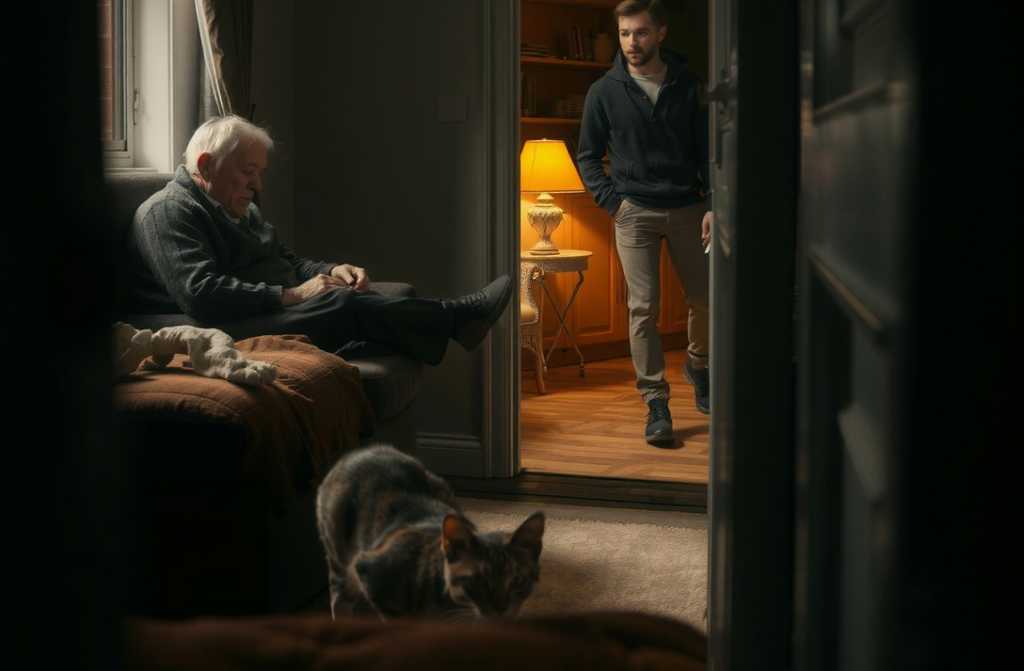
Today I went down to the local animal shelter and asked if they could show me the oldest cat they had. When I said it, the woman behind the desk looked at me as though shed just heard something truly bizarre.
She glanced up over her glasses, eyeing me closely, as if she was trying to decide whether I was joking, or if I really understood what I was asking.
Maybe youd prefer a gentle older one, but not so old? she offered gently. We do have some lovely, well-behaved fellows. They settle in easily.
I shook my head. No. Please, show me the one nobody chooses.
Theres a special kind of hush in those places. Not silencenot quite. Somewhere, a bowl clatters. Scratching at doors, the odd experimental meow. But between those sounds, theres a waiting quietthe hush of those left unchosen.
I suppose that hush has lived with me for years. After Helen died, it was as if our flat became an echo. All the ordinary thingsthe teacup she favoured, her scarf on the rack, her medicine on the shelfeverything stayed, except her. And with her, somehow, all the air left the room.
Those two years before she was gone were a test of patience, and of love. Hospitals. Scans. Chemotherapy. The relentless fatigue that no words can soothe. I stopped undressing for bed so Id be ready for anything. Plastic tubs of soup and cottage pie ferried to the hospital, where shed manage a few reluctant mouthfuls. Bleak mornings, endless corridors, hard chairs and harder nights. I learned to cook her old favourites, mind her medications, change sheets mid-night, and let my clumsy jokes bring the faintest smile. I learned to read her eyes, to see through her Im alright when she was anything but.
And all the while, I promised myself: Ill be here. Whatever comes, Ill stay.
But then the day cameone that has stuck to me ever since.
She hadnt stood up in weeks, spoke only seldom, and breathed with effort. I sat by her out-of-place hospital bed day and night, grabbing naps when I could, eating whatever I could scrounge, and looking in the bathroom mirror at a man I scarcely recognisedbristled, red-eyed, crumpled. A nurse approached me quietly.
“Go home for an hour, she said. Clean up. Change. Youll collapse at this rate.
I didnt want to go. I felt I shouldnt. But Helen, in her soft tired voice, whispered, Go on. When you come back, you can sit with me properly.
She even smileda ghost of one anyway. I can still see it.
I drove home. Washed quickly. Boiled the kettle, then forgot the tea. Picked out a clean shirt. The bed looked just as wed left it before she got so ill, and the panic startedan appointment I was late for, though nothing had happened yet.
The phone rang as I was buttoning my shirt.
Before anyone spoke, I knew.
I raced back, not remembering roads or time. They let me into her room. She lay stillfar too still. The kind of still that doesnt wait for a minute or a word.
I took her hand in mine, and it wasnt hers anymore. Not warm, not alive. Just the hand of the woman Id loved all my grown years, and who I hadnt managed to see through to the end as Id promised.
People said, It isnt your fault, these things happen, no one can know, she asked you to go, you did everything, really. But guilt isnt persuaded by logic. It comes and sits beside you through each night. Stands behind as you make your tea. Sits quietly as you wash the cup. Climbs onto the pillow and whispers, You left. For one minute, you were gone.
My son, Tom, barely visited then. Not for lack of carehe had his life, his family, the constant rush. He rang sometimes, telling me to hang in there, once brought groceries and gave an awkward hug before the front door swallowed him again. I wasnt angry. But the quiet those visits left behind was a hollow thing.
A few months in, I realised something: a person can get so used to emptiness that it starts to feel normal. You wake, eat without taste, sleep without thought, and start to forget what it is to be needed by another living soul.
Thats when I went to the shelter.
The woman looked at me again, questioning, You do know an elderly cat comes with medicines, vet trips, bills? Maybe not much time left. Might be set in his ways, even difficult.
I nodded. I know.
So why an old one?
It wasnt something I wanted to say to a stranger. But it was too heavy to keep.
I took a breath, and said, Because I wasnt there at the end for my wife. I want, at least, to be there for this cat. I cant be his first home. But I can be his last. I want to make sure hes not alone anymore.
She looked down at her paperwork, then quietly, Wait here a moment.
She walked down the corridor and disappeared through a door.
I didnt yet realise what was waiting behind ita cat that would change everything about the silence in my flat.
In there, a small cage sat by the radiator. On a folded blanket lay an old, thin, dark-tabby tom with dusty fur. He looked so weary, at first I thought he was simply asleep, unlikely to wake. But as we approached, he slowly lifted his head.
His eyes were more human than felinenot from wisdom, but tiredness. The look of someone whod stopped expecting any good news.
This is Bernard, the woman said. We dont know his age for certainabout thirteen or fourteen perhaps, from the notes. He came here after his owner died; her relatives didnt want him. At first he held up, but he started fading. Eats poorly. Has chronic gut problemsits probably inflammatory bowel disease, the vet says. Not fatal, but fiddly. He needs special food, some medicine and plenty of calm.
She said it plainly, not persuading me, but not dissuading either. Just laying out the truth.
I crouched by his cage. Bernard regarded mewary, but not fearful. Just watchful. Then, after a minute, he eased forward and touched his nose to the bars.
I didnt reach out straight away. Age and loss both teach you to be gentle with the wary. When I finally held out my fingers, he sniffed, then very carefully pressed his nose into my cupped palm.
And that was that.
Not because I felt a sign or a miracle. But because, in his fragile, tired body, I saw my own reflection after the hospital: bone-deep fatigue, loneliness, the resignation that asks nothing more.
Ill take him, I said.
She studied me again. You can think about it, she offered, no need to rush such things.
Ive been thinking a very long time, I replied. I just didnt know who I was waiting for.
As we did the paperwork, the two younger girls in the hall whispered, thinking I couldnt hear:
Bernard? Really? Who takes the old ones
Just taking pity, I bet.
I wasnt offended. Most expect that love should begin with hope for years ahead. For me, for once, it wasnt about forever, but about not alone, today.
At the door, she handed me the carrier. Bernard curled tight inside, trying to be invisible, not to trouble anyone.
He may take a long time to settle in, she warned. Might hide. Might not eat. Its not always easy at first.
I nodded. I know about the hard starts.
On the drive home, I spoke quietly, as you do to babies or the very illnot because they cant understand, but because a gentle voice is less frightening.
Listen, I told him, I dont know what you had before me. You dont know what Ive been through. We wont rush. Im not dragging you into a new life. Im just bringing you home.
He didnt dash about when we arrived. Didnt inspect every corner or twine himself round my legs. I opened his carrier, put it down, and stepped back. It was several minutes before he crept out, as if not believing it was allowed, paced a few steps, eyed me, watched the radiator, then lay beside it as though he already knew: at our age, warmth and quiet are worth more than anything.
I filled his water and food bowlsone with the new prescription food the shelters vet recommended. Bernard sipped a little water, then lay back down.
That first night, I barely slept. At each rustle I found myself up and checking he was breathing, hadnt been sick, didnt need anything. I could have laughed at myselfan old man tiptoeing around after an equally aged tombut it wasnt funny. It was fear. Because when youve lost already, you start fearing loss before you even have anything new to lose.
The next day, we went to the vet. Young chap, quiet and kind. Checked Bernard over, ordered a few more tests, talked about managementdont change his food abruptly, keep him away from scraps and chicken offcuts, watch his weight and stress. I scribbled all this into a notebook. Years before Id done the same with Helens oncologist. Back then, it was agonynoting everything when so much hinged on every word. Now, I realised: even tough care gives you something to do. While youre measuring doses and making lists, life doesnt swallow you whole.
The first weeks werent simple. Bernard didnt trust, ate little, often just lay and stared from window to door. Sometimes I thought he was still waiting for herthe first owner hed lost. I didnt try to make him love me as his own, didnt need to prove to anyone wed bonded. I just sat with him, changed the water, dished out medicine, sometimes read the paper out loud for companyperhaps for him, or perhaps for myself to soften the silence.
One evening, while reheating my lonely supper, I caught myself automatically putting a second plate out. Id done that for decades, before Helen was gonemuscle memory outliving the hearts permission. I stood there, holding the plate, before finally putting it away.
When I turned, Bernard was sitting in the kitchen doorway, watching me.
See, I told him, Im still no good at living properly. Im still learning.
He didnt move, but he didnt leave. That night, for the first time, he ate a little more.
So began our odd kind of life together. Not heartwarming straight awaynot a magic we found each other tale. Just a quiet, mutual agreement not to disturb one anothers pain.
Bit by bit, I came to know his ways. He liked the patch by the radiator when I made the tea in the morning. Hed only drink water if it was fresh. Couldnt stand loud noises, but relaxed when the telly was quietly on in the background. Most often, hed sleep on the corner of the sofa, always with a mind to an easy retreat. He developed an attachment to a battered old cloth mouse I found in a drawertailless, threadbare, ridiculous. I threw it out, just to tidy up, not expecting anything. He ignored it for days, then one afternoon, gently batted it with a paw.
Oh, I said. So thats how it is.
He didnt become lively overnight. Old age doesnt vanish with love, nor illness with affection. Some mornings, he ate poorly and Id fuss over him as if his appetite powered my own breathing. There were tricky vet visits, tablets hidden in paté, check-ups in the drizzle. Nights prowled the flat, listening for him, just in case.
Gradually, though, life began to return.
A month in, Bernard took it upon himself to climb up to the sofa beside me. Not on my lapthatd have been much too soonbut within arms reach. I froze, not daring even to cough, for fear of spooking that thin trust.
He fell asleep. And for the first time in endless months, I felt not pain, guilt, nor exhaustion, but something like peace. Small and flickeringbut my own.
Tom appeared unannounced one evening, ringing from outside. Id forgotten how to expect such visits. He came inawkward as everclutching a bag of fruit.
He stopped at the kitchen door.
That him? he asked.
Thats Bernard, I nodded.
Hes an old boy.
Thats why I picked him.
He paused, then sat. Dad Arent you scared? Letting yourself get attached again?
I flicked the kettle on. No one had asked me so plainly in ages.
Yes. Terrified. But it was even worse living with the silence. And I cant stand knowing someones growing old alone when Im able to be here.
He traced the rim of his cup. Do you still think about Mum? That last day?
I didnt answer at once. There was a draft from the window; Bernard lifted his head, expectant.
I do. Every day. Especially that I wasnt there. Even though it was just an hour. Even though she sent me. I still think about it.
Tom went quiet for a long time. Finally, he said, I thought about it too. You know, if Mum were here, I reckon shed be cross with you. For never forgiving yourself.
I smiled wryly. Perhaps.
Not perhaps. Definitely.
The conversation was brief, but it shifted something in the roomnot gone, but no longer crushing.
Tom began visiting more. Not suddenly perfect, not with high promises. Brought cat food, drove us to the vet one icy day, dropped off a blanket for Bernard and said it was just passing the shop. I never laughed at his awkwardness. The men in our family have always been a bit roundabout with feelings.
Meanwhile, Bernard changed as well. He remained a skinny, moth-eaten old soul with tired eyes, but he found curiosity again. Hed explore the hallway, eat a bit more, sometimes wash grandly, and force the poor old mouse under the sideboard for me to fish outagain and again.
One evening I sat reading in the old armchair, Bernard sleeping nearby with his face squished against my slipper. Outside, rain fell, and the television muttered about Parliamentjust background. Suddenly I realised: it was days since Id heard that persistent whisper, you werent there.
Not because Id forgottenyou dont forget things like that.
But because, for the first time in so long, someone needed meright now. Not yesterday. Not for a lost minute I couldnt recover, but today. In this kitchen. By this radiator. Next to this battered toy.
And that, it turned out, was everything.
One morning, long before dawn, I awoke to a soft touch. Bernard stood by the bed, carefully pressing his paw to my hand. Not asking for food, not meowingjust waiting for me to open my eyes.
I sat up. The quiet was pale and blue, the sort that used to feel unbearable. Now, it just was.
I stroked Bernards back and, letting my voice fill the half-dark, said aloud, I couldnt be there then. But Im here now. Ive finally learned how.
For the first time, those words didnt tear me apart.
Since then, something inside has begun to let gonot quickly, not gracefully, with no dramatic epiphany. I just stopped living as though I had to be punished forever over one hours absence. It wouldnt bring Helen back. But the one by the radiator, pawing his mouse, needed a home, warmth and loveand I could give that.
Now Bernard and I have our little routines. In the morning, he waits for the kettle. Later, he naps in a sunbeam. In the evening, he sits by the TVI still dont know if its the voices he likes or simply not being alone.
Sometimes I look at him and realise: I was never his first owner, nor will I be his last memory. He had a life before me, with its own losses, habits, and silences. But Ive been given the privilege to see him into old agenot with pity, but with respect.
Perhaps thats what I was really searching for after those long hospital monthsnot forgiveness, not forgetting, but the chance, at last, not to leave anyone behind if Im able.
I remember the woman at the shelterher face when I explained why I wanted the oldest cat. Odd for her, perhaps. For me, in that decision, there was no heroism or sacrificeonly this simple, human need: if you cant go back and save one last moment in your own life, it doesnt mean you cant change what comes next.
My flat isnt empty anymore.
Someone waits for me here. Someone pads into the kitchen with me. Someone snoozes through the dark. Someone bats at a tailless mouse and curls up beside the radiator. And with all that came one other thing, something Ive not allowed myself for yearsa quiet, overdue but real kind of peace, finally, with myself.
Sometimes I think: Bernard and I never rescued each other, not properly. That sounds too neat for real life. The truth is, we both turned up too late for someone elses love, but in the end, we somehow found each otherright when it mattered.





