
“I won’t be embarrassed at my own wedding!” my daughter shrieked as I begged her to invite her grandmother.
My daughter, Emily, is 25. Recently, she announced her engagement, and wedding preparations swept us up in a whirlwind—dress chosen, menu finalised, invitations nearly all sent. But one topic struck like lightning, turning my world upside down.
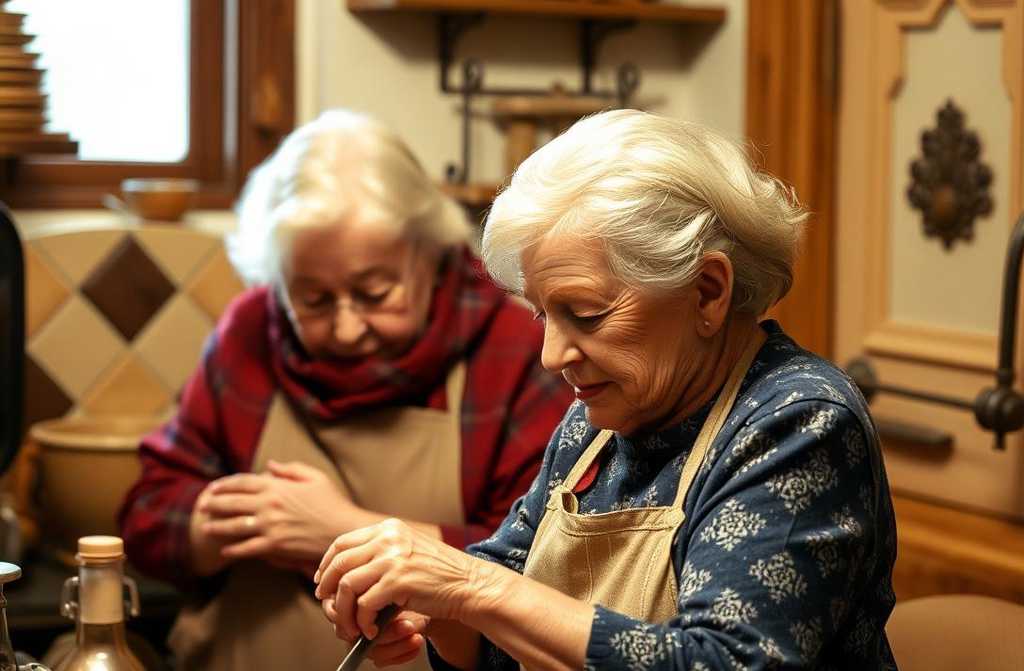
My mother, Emily’s grandmother, turned 80 this year. Age has left its mark: she moves slowly, her eyesight isn’t what it was, and her appearance, well, let’s just say she looks her age. Silver hair in a neat bun, lined face, and her favourite cardigan—the one with the faded floral print she’s worn since time began. She’s never chased trends, often saying,
“What do I need new clothes for? I’m old. Better to save the money for you and Emily.”
One evening, as we discussed final wedding details, I asked if she’d sent her grandmother an invitation. Emily hesitated, her face twisting. She mumbled something vague—about how Nana might struggle getting to the reception hall in central Manchester, sitting through a long meal, and the day being hectic. But I sensed the real issue.
“Emily, what’s really going on?” I pressed.
Then came the words that stabbed me like a knife:
“Mum, I don’t want her there. She’ll look… out of place. All my friends are polished, glamorous, from good families. I don’t want anyone laughing at my nan.”
I froze, thunderstruck. How? My Emily, the girl I’d raised with so much love—how could she say such a thing? That night, I didn’t sleep. How could I make her see that a person’s worth isn’t in their outfit? That her grandmother isn’t just some old woman in an ancient cardigan, but part of our family, her roots? The woman who baked her jam tarts, rocked her to sleep, celebrated her first steps, her first gold star at school…
A wedding isn’t just about the couple. It’s a celebration of family, of those who’ve been there all along, who shaped you. And what kind of friends would mock a grandmother?
The next morning, I tried a gentler approach—no scolding, just warmth. I reminded Emily how her nan had stayed up with her when I worked nights, how she’d sewn doll clothes from scrap fabric, how she’d fretted over every scraped knee. Did she really deserve to be hidden away?
Emily stayed quiet, nodding occasionally. Then she burst into tears.
“Mum, I’m so ashamed of thinking this way. But the thoughts keep coming, and I can’t stop them—”
“It’s alright, love. Let’s just send Nana the invitation, and it’ll all sort itself out,” I soothed.
“Invitation?!” Her tears vanished instantly. “I told you—she’s not coming! I won’t be humiliated at my own wedding!”
“So am *I* a humiliation too?” I snapped.
The argument dragged on, but it was pointless. I told her I wouldn’t attend if she treated family this way. She just waved me off, not taking me seriously. So I kept my word—no registry office, no posh London venue. I didn’t even pick up her calls.
That day, I went to Mum’s little flat on the outskirts of town. Brought her groceries, helped tidy up, took the bins out. All the while, guilt gnawed at me—was Emily alright? Did her dress look beautiful? Was she happy?
But another, heavier ache grew—bitter and cold. Would my own grandchildren someday be ashamed of me? Not for anything I’d *done*, but simply for growing old?
That evening, Mum and I sipped tea in her cosy kitchen. Suddenly, she brightened.
“Oh, Sarah—I nearly forgot! It’s Emily’s wedding day! Have we missed it? Maybe we can still make it to the reception—quick, get ready!”
I looked into her eyes—so full of hope. She rushed to the wardrobe, pulling out her best dress. And I… I couldn’t tell her the truth. Couldn’t break her heart.
“Mum, I forgot to mention. They rescheduled. The venue overbooked, you know how it is…”
She chuckled, muttered something about young people and their disorganised ways, and we went back to our tea.
But my heart felt like a stone.
I don’t know how to face Emily now. Or how she’ll ever face her nan. How did the child we raised with love become so cold? That question haunts me.





