
The moment I turned eighteen, my mother, without batting an eyelid, announced, “You’re an adult now. Either pay for your room or clear off.” She said it calmly, not in anger nor during an argument—just matter-of-factly, as though charging your own daughter rent for the same childhood bedroom was perfectly ordinary. Back then, I didn’t fully grasp how much it hurt to hear that from someone I’d loved unconditionally all my life.
For as long as I could remember, Mum always made it clear the flat was hers. Even when I was seven or eight, she’d say, “You don’t get a say here. This is my house.” She’d barge into my room without knocking, rifle through my things, and refused to let me move a single piece of furniture. I complained my bed was too close to the radiator—the heat gave me migraines, left me gasping—but she dismissed it as me being dramatic. Only when I was sick one night, and the doctor warned of heat exhaustion, did she grudgingly let me shift the bed.
Like any child, I loved my mother. For too long, I believed love meant enduring. That if I were a good girl, she’d finally see me. But Mum only noticed what suited her. If I stayed quiet, didn’t interfere, didn’t take up space—it was as if I didn’t exist.
After school, I enrolled at a local university. Mum didn’t even show up to my graduation. But the day I turned eighteen, she marched into my room with her “offer”: pay up or leave. “I raised you, fed and clothed you—my job’s done.” I was stunned. No job, no other family. I agreed to pay.
The next day, I took a night shift washing dishes at a greasy spoon near the train station. Mornings were lectures. Sleep was a luxury. Every penny went to my mother’s “rent” and the cheapest food imaginable. Those first months were hell. Then I got promoted to kitchen assistant. A flicker of hope—and then, Andrew.
He was a waiter, renting a flat, from up north. We rarely saw each other—both worked brutal hours—but every stolen minute with him mattered. One night, I told him about Mum. He listened, disbelieving. “We never had much,” he said, “but my parents would share their last carrot from the garden if it meant I ate at uni.”
He couldn’t take it. Asked me to move in. Splitting rent made sense. I didn’t hesitate. When I packed my things, Mum didn’t say a kind word—just hovered, making sure I didn’t nick her pots or chairs. She kept the bedsheets. On the doorstep, she coldly warned she’d change the locks. The door shut behind me.
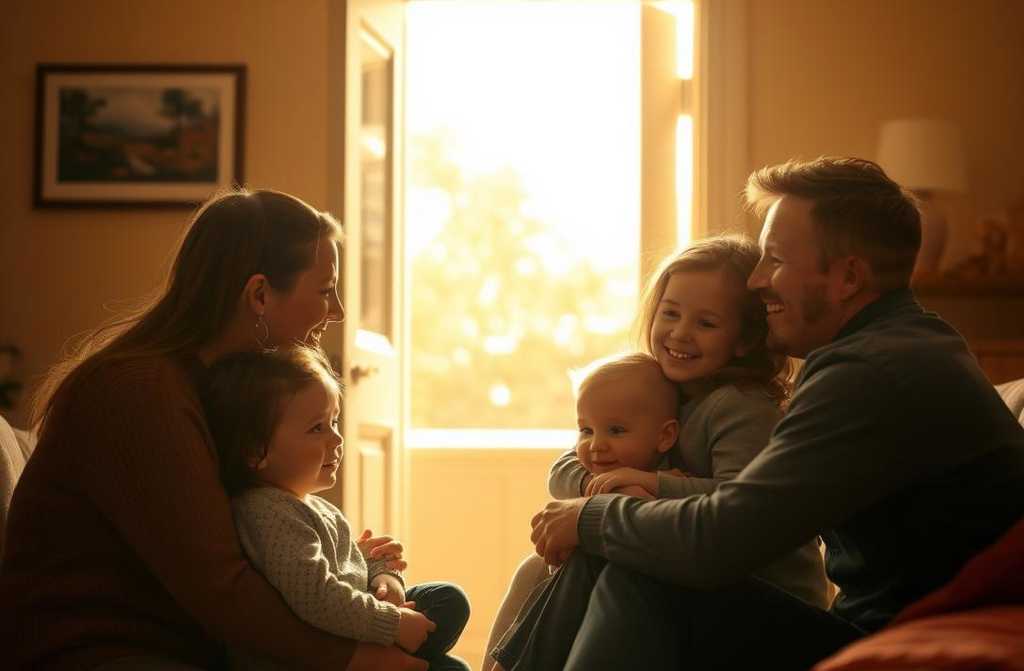
Andrew and I built a life. Married within a year. First, we stayed with his folks, then rented a cottage nearby, then bought it. Two kids, a garden, work—everything I’d dreamed of.
A decade passed. Six months ago, Mum called. My number hadn’t changed. She spoke as if we’d last met yesterday. “Why don’t you call? Why don’t you visit?” Then, without waiting for answers, she cut to the chase: jobless, no pension yet. “You owe me. I raised you. Now it’s your turn.”
My hands shook as I listened. For the first time, I said it all—the “care,” the rent for my own childhood, the loneliness, the hurt. My voice cracked, but I didn’t stop until there were no words left. She stayed silent. Then, icy: “Fine. Just send the money.”
I hung up. Blocked her. She called from other numbers. Texts, threats of legal action. Demands for support.
I don’t feel guilty anymore. I don’t owe her. I don’t owe anyone. And for the first time, saying it out loud doesn’t scare me.





