
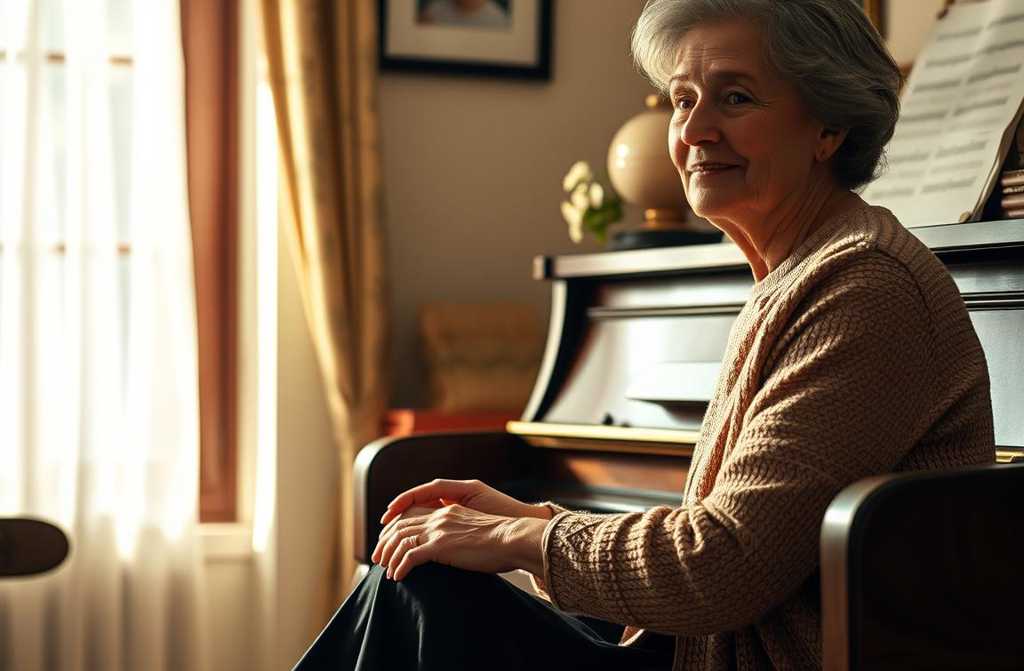
Ethel Browning had been a gentle soul since childhood. Her mother often reminded her:
Our girl has her father Georges temperament he was generous to a fault, helped everyone, though he lived only a short time. Now Ethel carries on his good deeds; even as a child she would rescue every helpless insect she found.
Ethel grew up, finished school, took a job and moved into her grandfather Grahams flat in London. She remained kindhearted and fair, always ready to lend a hand to people and animals, even if some neighbours whispered that she was a bit odd, not of this earth.
One rainy autumn Saturday, Ethel was walking home from the corner shop when she saw an old woman struggling with two shopping bags. The womans hands trembled and her back hunched under the weight.
Good heavens, how frail she looks, Ethel thought, feeling a pang of pity. What a lifetime she must have carried on those shoulders.
She hurried over and recognized the lady as Mary Ilford from the same building.
Hello, let me help you with those, Ethel offered, taking the bags from Marys grasp.
At first Mary recoiled, frightened, then managed a hesitant smile.
Thank you, dear, but I live on the fourth floor
I know, Im on the second, Ethel replied with a smile.
Inside Marys flat, Ethel noticed a layer of dust and disorder.
Mary, may I give you a hand cleaning? It looks tough for you, she suggested. Ill drop my groceries first and then come back.
No, love, I cant ask you to waste your time on me, Mary protested. I manage fine.
Its no trouble. I live alone, and today is a day off, Ethel insisted.
From then on Ethel visited Mary regularly, often sharing tea in the evenings. She loved listening to Mary play the old piano that Marys husband had bought when their son was born. Ethel herself could play; she had taken piano lessons at the local music school because her mother had encouraged her, though she never pursued a professional career.
Later, as Ethel walked past the communal courtyard, she saw Dorothy Sinclair, a neighbour on the fifth floor, seated on a bench.
Ethel, I see youve taken Mary under your wing. Youre doing the right thing. Its a pity about the old lady. Her son and his wife live in Germany, quite welloff, and her grandchildren are in London. They hardly ever visit, always murmuring about waiting for her inheritance. I never know what she actually has, but people love to gossip.
Ethel nodded and entered the lift.
Lord, what riches could Mary possibly have? Just a piano and some sturdy furniture, she mused silently.
That evening Ethel brought a fresh cake to Marys flat.
Lets have some tea. Ill put the kettle on, Ethel said cheerily as she entered the kitchen.
Dont trouble yourself, dear, Mary replied, her eyes shining despite the fatigue. I just wanted to do something nice for you.
They sipped tea while Mary recounted her childhood during the war, her late husband, and her son who had moved to Germany long ago. She lamented how rarely he visited, as if he had forgotten his mother.
But you still have grandchildren, Ethel prompted.
Grandchildren they treat me like an old burden, Marys voice trembled. Last year my grandson Gary came, rude as ever, but he did bring some fruit. As he left he sneered, Old woman, youre a nuisance, youd better be gone. And my granddaughter never appears, waiting for my death
Winter set in and Mary fell ill. Every evening after work, Ethel stopped by with a meal, medicines, and groceries. One night Mary asked, Would you be so kind as to play the piano for me? Id love to hear it.
Ethel sat at the instrument, her fingers gently caressing the keys. Music filled the room, and Mary closed her eyes, listening as memories fluttered past her mind.
Playing for Mary became their nightly ritual. Between simple stories, Ethel would quietly coax tender melodies from the piano.
Time passed, and Mary grew weaker. She called the local doctor for regular visits and prescriptions. One afternoon, after cleaning the floor and dusting, Mary turned to Ethel.
My dear, Ive written a will. The flat will go to my grandchildren, theyve been waiting for it long enough. But the piano I want it to belong to you.
Ethel gasped. Mary, I dont need anything. Im hardly more than a neighbour. I dont want your grandchildren to think I took advantage.
Its settled, love. Ive arranged everything properly, Mary assured her.
In spring Marys condition deteriorated further; she could no longer get out of bed. Ethel watched over her, making sure she received the right medication. One night, just before Mary passed away, she whispered, Dont forget the piano, dear. Its yours now. I want you to keep it.
The next morning Ethel arrived for her shift, only to find the house silent. Mary had died alone in the night. Ethel called Gary on the mobile that had belonged to Mary.
At the funeral Ethel wept as though shed lost a mother. Later, the grandchildren arrived to sort the estate. Gary, a tall, selfassured man, led the movers.
The piano will be taken to your flat, he said condescendingly, as per your aunts last wish. Its the only thing she left you, after all thanks for looking after her, I suppose.
Ethel accepted the piano, feeling a mix of sorrow and gratitude. She dusted it carefully; tears slipped down her cheeks as she whispered, Thank you, Mary Ilford, for your kindness.
For several days she could not sit at the keys, the weight of loss too heavy. One evening, after a modest dinner, she finally opened the lid and pressed a chord. A small, silkwrapped bundle fell from inside the instrument. Inside lay a delicate jewellery box, a note, and an assortment of rings, earrings, bracelets and two necklaces, along with a photograph of a young Mary.
The note read:
Ethel, dear, this is for you. For a heart as generous as yours. Thank you for the last year of my life; you made it happy. Keep one ring as a memory of me. Sell the rest if you wish.
Ethel stared at the glittering treasure, overwhelmed. She chose a single simple gold ring, slipped it onto her finger, and let the pianos melody flow once more.
The next morning, a Saturday, she placed the jewellery box in her bag and walked to a local pawnshop.
This is family heirloom jewellery, she told the appraiser.
Its quite valuable, he replied, eyes widening.
When the cashabout fifteen thousand poundsended up in her hand, Ethel felt a strange mix of relief and melancholy. She took the money home, then drove to the outskirts of town where an abandoned Victorian house stood, its brickwork sturdy beneath peeling plaster. The twostorey building had a large garden and a sense of forgotten grandeur.
She imagined the rooms, the light through the old windows, and felt a sudden certainty. She bought the house, hired a builder, and over the next eight months oversaw a complete renovation.
When the work finished, Ethel opened a residential home for lonely seniors. In the spacious sitting room she placed Marys piano, surrounding it with comfortable sofas and armchairs. The first residents arrived: a retired farmer named Mr. Ian Shepherd, and two sisters, Anne and Gillian, who had lost their home in a fire. More followed, each with a story and a need for companionship.
Often the residents would ask, Ethel Browning, could you play something for us?
She would sit at the piano and lose herself in the music, feeling Marys approving presence in every note: Well done, dear. The home soon earned a reputation as The Hearth, a place where the elderly felt cherished. Journalists visited, writing glowing articles about the warm atmosphere and the unique kindness that ran the establishment.
When asked if she regretted selling the jewellery, Ethel smiled. Not a speck of regret. Watching these people smile, hearing them laugh, seeing Mrs. Gillian knit a pair of socks, or Mr. Ian plan his next chess move with his old friend, brings me more joy than any treasure ever could. Mary would be proud of how I used her gifts.
Two years later, Ethel married Stephen Harper, a gentle man who gladly helped run the home. Together they continued to nurture the sanctuary they had created.
In the end, Ethel learned that true wealth is not measured in pounds or precious stones, but in the kindness we share and the lives we touch.





