
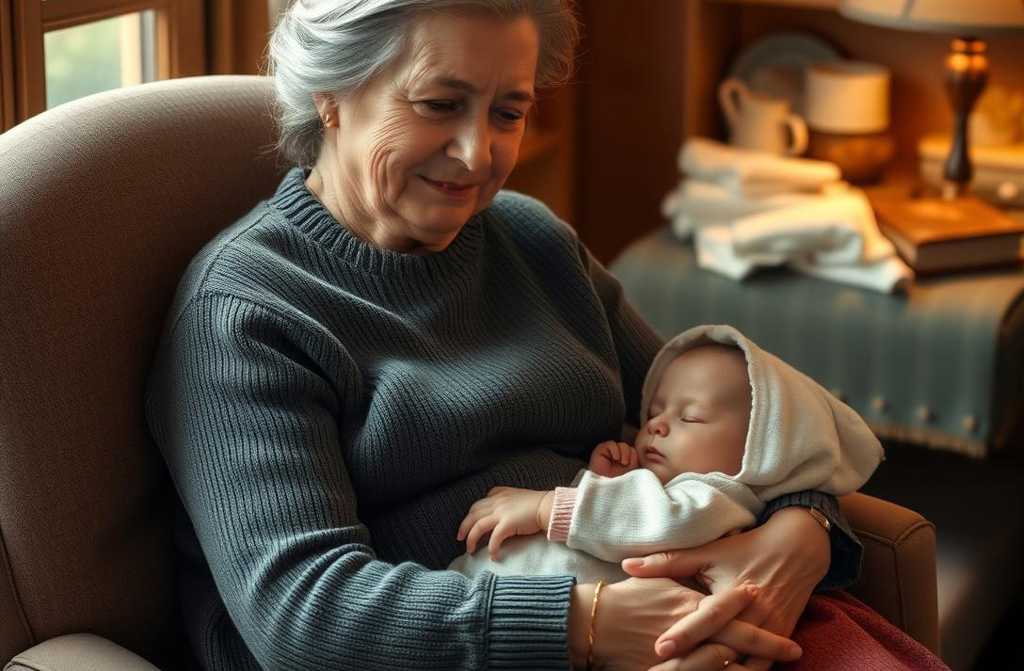
For two weeks, I looked after my grandson, only to be met with anger instead of gratitude—my daughter-in-law claimed I’d done everything wrong.
It started late one evening, well past ten, when my phone rang. My son’s face flashed on the screen. His voice trembled. “Mum, they’ve taken Emily to hospital. The pain was so bad, the doctors didn’t want to take any chances. I’m going with her, but there’s no one to look after little Oliver. You’re the only one who can help…” Within half an hour, my son stood at my doorstep with a travel cot, bags, and his eighteen-month-old boy. His eyes were full of worry and pleading. Of course, I couldn’t say no—even though my relationship with Emily, his wife, had always been frosty at best.
Since Oliver was born, I’d felt like an outsider in their lives. Time and again, I’d offered to help—cooking, babysitting, just giving them a break—but the answer was always the same: “Thanks, but we’ve got it.” I never pushed, though it broke my heart. I was his grandmother—I wanted to be part of his life. The last time I’d seen Oliver was in spring, and after that, Emily shut me out completely. During the pandemic, it became absurd—everything doused in bleach, doors opened with elbows, visitors unthinkable.
Now, in their hour of need, they finally let me in. My son left me with an arsenal—jars of food, creams, instructions, spare clothes, even an exercise ball. “Emily rocks him to sleep on this. He won’t settle without it,” he explained quickly. I nodded, though privately I thought, *This is nonsense. Children should learn to sleep on their own.* After sending him off to the hospital, I called work and took two weeks’ leave. I’d handled worse before.
The first night was rough. The little one cried so loudly the neighbours knocked to check everything was all right. I apologised, explained the situation. They shrugged and left. But by the third night, he was drifting off faster. I stroked his back, slow and steady, and he’d fall asleep under my touch, as if rocked by a lullaby.
Five days in, Emily called. She grilled me—what was he eating? How was he sleeping? What colour was his food? I answered calmly, assuring her all was well. I told her he loved my homemade vegetable and fruit purées—I never trusted shop-bought jars. Silence. She didn’t believe he could sleep without the ball or their rigid routine.
Two weeks passed. I poured my heart into caring for that little boy. My hands remembered the rhythm of holding a baby, my heart synced with his breaths. I was exhausted, but happy. Finally, I felt like a grandmother.
When Emily was discharged, I handed Oliver back, packed his things neatly. Not a word of thanks, not even a smile—just a cold stare and the words:
*“You did it all wrong.”*
*“Pardon?”* I faltered.
*“You ruined his routine. Now he cries at night. Your food gave him a rash. You ignored our rules. Why didn’t you stick to the plan?”*
I was stunned. Two weeks without a single complaint, and now—this. Instead of gratitude, accusations. It hurt. I hadn’t forced my way in—I’d helped when they were desperate. And all I got in return was “You’ve ruined everything.”
Now I’m banned from seeing my grandson. Emily doesn’t trust me. The only glimpses I get are from photos my son posts online. He stays silent, caught in the middle. And I don’t push. But inside, I’m shattered.
I don’t think I did wrong. I raised my son without any special balls or strict schedules, and he turned out fine. Now it’s all timetables, weighed portions, rulebooks. Where’s the love in that?
I don’t know who’s right or wrong. But I know this: I’m his grandmother, and I love him. If they ever call again, I’ll open my door without hesitation. Yet the hurt—the sting of thanklessness—will linger forever.
Some wounds never heal, but love doesn’t keep score.





