

Діти
08
Twelve Years Later: “Please, I beg you, help me find my son!” The woman was nearly in tears. “I don’t need anything else in this life!” Catherine sat on the sofa beside the host, wringing her hands dramatically. She had dressed as modestly as possible for the cameras, having spent a sleepless night beforehand to appear pale and wan. She desperately wanted to look like a suffering mother, hoping the audience would rush to her aid. “My greatest wish right now is to be reunited with my son,” she murmured, as if every word pained her. “I’ve tried everything! I’ve gone to the police, hoping for their help… but they wouldn’t even file a report! They said Artem was long an adult and had left home a while ago. If I didn’t care about him before—why come now…” The host listened intently, head slightly cocked. He didn’t truly believe Catherine’s story—he sensed there was something much more ordinary about the whole affair than she claimed. She’d fallen out with her son and hadn’t cared about him for years, and suddenly here she was… Still, he sided with the police. But for TV ratings… Audiences lap up stories like this, oh, how they love them… “So your argument with your son led to you losing touch?” he asked calmly, darting glances at the viewers. Some looked sceptical, while others genuinely sympathized with the “unfortunate” mother. Catherine nodded, eyes glassy with tears. She took a deep breath, composing herself before she continued. “Yes, it started twelve years ago. My son fell in love—seriously, wholeheartedly. He’d decided to marry. I understood his feelings, but the girl… I never liked her! I saw what would come of it! She smoked, drank, spent her evenings in dodgy places… Worst of all, she was dragging Artem into it!” She fell silent, lost in memory. The host waited—the moment called for drama. “I tried to talk to him, warn him that she wasn’t right for him. But he wouldn’t listen. To him, I was just a mother refusing to accept her grown-up son. One evening it all exploded. He slammed his fist on the table and declared, ‘I’m leaving!’” Catherine broke down in a sob. The host handed her a tissue. She dabbed her eyes carefully, taking care not to ruin her makeup. After a pause, she continued: “He left. Packed all his things while I was at work. Gone—no word, no explanation… Changed his number, cut off all contact with friends, family, everyone! All because of some girl…” Her voice trembled as she temporarily closed her eyes, bracing against the flood of emotion. “Sorry,” she whispered, clutching the tissue tightly. “It’s just so hard to keep it together.” She bowed her head, hair falling forward, half-veiling her face—a rehearsed gesture to amplify the impression of sorrow. This moment was meant for tears; the audience needed to feel the depth of her heartbreak! But the pain she portrayed was no more than a distant echo; inside, Catherine felt only taut anticipation—would the performance work? The host could see she was forcing it but decided to play along. “We do understand your pain,” he nodded, gesturing for an assistant to bring some water. “Please, take your time, tell us when you’re ready.” He let the silence linger—long enough for full dramatic effect. “What do you know about your son right now?” he asked at last, leaning forward with feigned interest. Catherine looked up, despair mixed with hope in her eyes. “A friend of mine saw him in London recently,” her voice quavered—an act, or perhaps genuine nerves. “From their chat, it was clear: Artem even changed his surname! How am I to find him? On my own I’m powerless—please, help me! Maybe someone’s seen him?” She turned to the camera, her face perfectly etched with anguish as planned. She held the camera’s gaze for a long, unspoken moment, as if trying to reach the viewers’ hearts directly. “Recently I was in hospital,” she went on, this time with evident anxiety in her tone, “and I realised the years are catching up with me. Who knows how much time I have left? My dream is to see my son, to hug him, to say I’ve long forgiven everything, and to ask for forgiveness myself…” A photo appeared on the screen: a young man—about twenty, fair hair, grey-blue eyes, tall and handsome in an unexceptional way. The kind you might pass in the street and not notice. Catherine studied the image. In twelve years, Artem must have changed—grown older, beard or no, new haircut, perhaps glasses now or a bit of weight. The idea made him seem almost unreachable, the odds of finding him nearly impossible… but she willed herself not to give up hope. “If anyone recognises this young man, please contact our studio,” the host intoned. The number flashed at the bottom of the screen. Filming over, Catherine nodded a showy farewell and headed from the set, determined to keep up her act for just a while longer. On the street, her friend waited—the one who had insisted she take part. Catherine flashed a contained, yet clearly satisfied, smile. “Well, did I pull it off?” she asked quietly, an edge of pride in her voice. “Did they feel sorry for me?” Tammy, her friend, had been watching the audience all along and grinned in reply. “The ladies in the studio were almost in tears,” she replied conspiratorially. “Soon enough you’ll learn where your darling boy lives—and you can demand your compensation for all you spent raising him. Fancy that: he’s done so well for himself, yet doesn’t give you a penny!” Catherine winced at her friend’s tone—blunt, almost cruel. But Tammy had a point. Until recently Catherine barely thought of Artem. Memories surfaced only occasionally, faint and painless. But when Tammy happened to meet someone who’d seen Artem in London, she couldn’t look away. The acquaintance told her about the young man’s transformation. A luxury car—practically a showpiece. Designer suit, watch custom-made to order—no ordinary shop carries such things. And when Artem stepped out of one of central London’s most prestigious restaurants, it was obvious: he didn’t just have money—he knew how to spend it in style. Even a modest dinner there starts at hundreds of pounds. Catherine didn’t pretend she cared about Artem’s life—she only cared about what he owed her! She was his mother! She gave him life—now it was time he paid her back! “He’ll be found, don’t worry,” she resolved again quietly. “Just a bit more patience—and I’ll be set for life…” Why not? Catherine was sure Artem wouldn’t risk scandal. Judging by his new social circle, he couldn’t afford bad press. He’d have to play the role of dutiful son, especially after all this publicity. After such a media storm, his only option was to help her. Naïve… She hadn’t realised she was walking into a devilish trap set by her own son… *************************** Twelve years earlier Artem returned home at nine that night, utterly exhausted. He’d just finished the toughest exam of the year. He longed only for his bed, to sleep an entire day. But he knew there’d be no such luxury tonight. Through the door, he could already hear raised voices—one male, sharp and impatient, the other female, pleading. That man again… Artem winced. He slipped his key into the lock, hoping to slip by unnoticed—but stumbled on something in the hall: his travel suitcases. He recognised them instantly—something was wrong. “What’s this?” he called out, keeping his voice steady. “Are these my things? What’s going on?” There was a sudden hush, then his mother appeared, face set in a peevish expression. She turned away without a word. Artem froze, not understanding. He made for the kitchen: there sat a man—Anthony—heedless, as if it was his own house. Artem gave him a frosty stare. “What’s he doing here?” Artem demanded of his mother. “Have you told him yet?” Anthony smirked, twirling his phone. “What are you waiting for?” “Don’t talk about me as if I’m not here!” Artem’s voice quavered with anger. “This is my home! Who are you, and why is your son moving in?” His mother finally turned to him, her voice cold and even. “From today, you’re no longer living here. Your old room belongs to Anthony’s son now.” It felt like a blow to the stomach. Artem tried to find any scrap of warmth in her face. There was none—only cold resolve. “My father planned to leave this flat for me—” he tried. “He did, but he died suddenly,” she shot back. “The will’s old, made before you were born. I’m sole owner of this flat, and I decide who stays. As of today, you’re out! You’re a grown man and still want your mother to look after you? Honestly!” Every word stung like a slap. Artem’s eye twitched—from stress… He wondered, was his father’s ‘accident’ pure chance? “Are you serious?” he asked quietly. “You’re really throwing your son out onto the street?” She shrugged as if it were nothing. “I packed your things. Someone else is moving in. Don’t come back without permission!” “Where am I supposed to sleep?” Artem asked, low-voiced, fighting his anger. “You’ve plenty of friends—someone’ll put you up. Figure it out.” She said it with ease, as if she’d just misplaced a book. “And,” she added, chin raised, “I’ve taken the money meant for your last year at university. Pay for it yourself—I need it. The wedding’s coming up.” That hit hardest of all. Artem realised: not only was she evicting him, she was cutting him off, removing every safety net. He would not beg. In his mind, a plan formed: take a year out, get a job, pay for uni. He had his wits, his hands—he’d make it. He looked at her one last time. The trust between them was shattered for good. He would never forgive his mother. *************************** “Have you seen this?” Nick leaned across the table, phone in hand. “A mate of mine from back home just sent it—your mum’s gone on TV!” Artem glanced up from his paperwork, letting it drop with a sigh. The knowledge did not surprise—he almost laughed. “I’ve seen it,” he replied wryly. “Tammy’s husband couldn’t keep his mouth shut. Frankly, that’s what I wanted. Let her see what she’s lost.” He leaned back, running a hand through his cropped hair. He recalled the broadcast: his mother, all drama and tears, begging for her “lost” son. Twelve years ago, she’d kicked him out without a thought, left him penniless, denied him his education. Now, desperately, she played the card of motherly love. Yes, Artem had got his revenge—not by scandal or scenes, but by simply showing her what she’d thrown away. He’d built a life. A career. Connections. Dual citizenship, steady income, a real future—without her, without her “blessing”. His mother now knew he was doing well. No doubt she realised: she could have counted on his help—if she’d not behaved so abominably. If she hadn’t chosen a new man and his child over her own. If she hadn’t robbed him of his future. The most important thing: she would never see a penny from him. No support, not a word, not a chance at reconciliation. Artem was clear—the past was gone. He would shape his future alone. The woman who gave him life would never touch him—physically nor emotionally. That was what mattered most…
Twelve Years On Please, I beg of you, help me find my son! The womans voice was tremulous, on the verge of tears.

Червоний камiнь
Діти
015
Family Ties “Len, you won’t believe it! Matvey and I have decided to go back to Turkey again next year!” My stepdad was beaming with joy. “He says he needs that same hotel with a sea view. Well, what can I do for my own son?” He unwittingly clarified that it was his “real” son. “I’m happy for you,” she replied, recalling how wonderful things once were before Matvey appeared on the scene. “‘Own son’… And you always told me we were a family. That there’s no difference between your own and not your own.” He used to say that. That she was his daughter, and it didn’t matter if she was born to him or not. “Not this again… Come on, Len! You’re my daughter, that’s not up for debate! You know I love you as if you were my own. But Matvey…” He didn’t even realize he’d just confirmed her fears. “Matvey’s your son. I’m just someone you know, apparently.” “Len, what’s gotten into you? I’m telling you, you’re like my own!” “Like my own… Did you ever take me to the seaside? All these fifteen years you called yourself my father?” He hadn’t. Arthur always said there was no difference between her and Matvey, but Lena could hear how much more Arthur did for his son. The difference was enormous. “It just never worked out, Len. You know money was tighter back then. You’re not a child—you know what two weeks in a five-star hotel costs… Pricey.” “I understand,” Lena nodded. “Expensive to take me there. But for Matvey, whom you only met six months ago, you’re already thinking of getting a mortgage so he’ll ‘have somewhere to bring his wife’? That’s not too expensive, then, if it’s for your son?” “I’m not getting him a flat. Who told you that?” “People talk.” “Tell those people to stop spreading rumours.” Lena perked up a bit. “Really, you’re not?” “Of course not. Oh, by the way! Guess where we’re going Saturday?”—he answered for her—“Go-karting! He raced at university back in the day, so I’m joining for fun.” “Go-karting,” Lena repeated, “Sounds exciting.” “Doesn’t it just!” “Can I come with you?”—the question burst out before she’d thought it through. Arthur, clearly not wanting to include her, scrambled for words: “Er… Len… You’ll be bored. Honestly. It’s a… boys’ thing. Matvey and I have some father-son catching up to do.” That stung… “So, it could be fun for you, but not for me?” “That’s not it…” Arthur shifted uncomfortably, “It’s just—we haven’t seen each other all our lives—we’re trying to make up for lost time. We want to go, just the two of us, you know?” You know. “You know” was now the most hurtful phrase in their revised vocabulary. She was expected to understand: blood means more than anything else. She was now on the outside, looking in. Matvey really was everything a father could want: Raised without a dad because his mother never told Arthur about him, Matvey succeeded at everything despite his circumstances—smart, handsome, and kind. “Dad, I helped out at the animal shelter today—fixed the dog kennels.” “Dad, did I tell you I graduated with first-class honours?” “Dad, look, I fixed your phone for you.” He wasn’t just a son. He was the perfect son. Later that day, after Arthur paid her a visit and left again, Lena sifted through old photographs… Arthur’s wedding to her mother (her mother, who’d died five years ago, leaving Lena and Arthur behind). There they were at the family cottage… her graduation from school… Nothing would ever be the same again. *** “Len, are you awake? I need to talk. It’s urgent,” her stepdad arrived as early as 8am. “What’s so urgent?” Lena swept her fringe under a headband and started the coffee machine. “About the flat for Matvey.” “So, it’s true?” she exhaled. “Sorry, but yes. It’s true.” “And you lied to me.” “I didn’t want to upset you. But I need your advice! I reckon I need to act soon. He’ll want to settle down sooner or later. While he’s young, he needs a place of his own. I know what it’s like not to have that…” “Then get a mortgage,” Lena muttered—she didn’t want to talk about Matvey’s new flat. Matvey had it very good. “Yes, yes, I know. But you know what my credit history is like… I just want to help Matvey. He deserves a flat from the dad he never had.” “And what are you getting at?” “Will you help me? If I ask?” “Depends.” “Here’s the thing. I’ve got £20,000 for the deposit. But the bank would turn me down. You’d get approved, your record’s clean. We can put the mortgage in your name, and I’ll make all the payments. Honestly.” The illusion of “no difference between you” was shattered for good. There was a difference. Only Lena was expected to take the fall. “So Matvey gets a flat, and I get the debt? Is that it?” Arthur shook his head, as if genuinely hurt, as if she’d suggested it. “What are you saying! I’ll make all the payments… I’m not asking you for your money. Just need it in your name. Think about it…” “You know, Arthur, I’m not thinking about whether I should take out the loan. I’m thinking about how you clearly no longer see me as your daughter. You’ve got your son now. Known him half a year, known me fifteen, but you only care that he’s your flesh and blood.” “That’s not true!” Arthur protested, “I love you both equally!” “No. Not equally.” “Len, that’s not fair! He’s my own…” Curtain. She was no longer his daughter. She was the ‘convenient’ stand-in, until the real one showed up. “I see,” Lena tried to be polite. “I can’t do it, Arthur. I’ll need my own flat one day. They won’t give me two mortgages.” It was as if Arthur had just remembered she didn’t have a place of her own. “Oh, right, you’ll need one too…” He glanced at his watch. “But still, while you’re not buying yet, you could help. I’ve got enough for the deposit. It would only be a couple of years.” “No. I’m not putting anything in my name.” She didn’t expect Arthur to understand. “Alright,” he said, “If you can’t help me as a daughter… then never mind. I’ll sort it myself.” Whether he’d ever truly thought of her as his daughter didn’t matter anymore. Now, Arthur was someone she only saw in photographs. One evening, scrolling through her newsfeed, she saw it. A photo at the airport. Arthur and Matvey. Both in light jackets. Arthur’s hand on Matvey’s shoulder. The caption: “Off to Dubai with Dad! Family is everything.” Family. Lena put the phone down. A childhood memory flooded back—long before Arthur married her mother. She’d been five. They were living humbly. Her favourite doll, a gift from her nan, had broken. She’d cried, but her own father said: “Len, why are you fussing over nonsense? Don’t bother me.” He was never to be disturbed. He only cared for his bottle. In truth, Lena had never really had a dad. She thought Arthur had replaced him… Later, Arthur made another attempt. “Len, I think we need to talk about your trust issues…” “What trust issues, Arthur? I told you—no.” “You just don’t get it. Matvey—he never knew me. He grew up without a father. I’ve got to make it up to him, you know? He’s a grown man. He needs a home. I’m not asking anything of you, just to have your name on the papers. You won’t pay a penny, I promise.” “Shame no one filled in my gaps…” That got to him. “Lena, enough! I don’t want to argue. I do love you, I really do! But you must understand… Matvey—he’s my real family now. You’ll get it one day, when you have kids of your own. Yes, I love you both, but not the same—it doesn’t mean you don’t matter.” “You matter. As an asset.” “Len, come on! You’re overreacting.” “You switched to him in six months, Arthur,” Lena said. “I’m not asking you to choose. The choice is obvious. You said it yourself: Matvey is your own. And I… never was.” Six months passed. Arthur didn’t call. Not once. One day, scrolling that same newsfeed, she saw a new photo. Arthur and Matvey, standing in front of snowy mountains. Arthur in fresh ski gear. Caption: “Teaching Dad how to snowboard! He might be a bit old, but with your son—anything’s possible!” Lena stared at the picture for a while. She reached for her laptop to finish some work, and her phone buzzed. An unfamiliar number. “Hi Lena, it’s Matvey. Dad gave me your number—he’s too nervous to ring. He asked me to let you know he’s found a solution for the flat, and he’s worried about you. He also really wants you to come at May half-term. He can’t say why, but he really wants you there.” She typed and erased her reply several times. “Hi Matvey. Tell Arthur I’m glad he’s doing well. I think about him, too. But I won’t be coming. I’ve got plans for the May holiday—I’m off to the seaside.” She didn’t mention that she’d bought the tickets herself, that the coast was in Cornwall, not Turkey, and that she was going with a friend, not with her father. Lena hit send. And realised she could be happy, even without him.
– Helen, you wont believe it! Matthew and I have just decidedwell be going to Spain again next year!

Червоний камiнь
Діти
028
My Daughter Handed Me an Invitation to Her Wedding, and When I Opened It, I Nearly Fainted.
My daughter slipped an invitation into my hand, and when I unfolded the paper it seemed to melt like

Червоний камiнь
Діти
0489
Family Ties “Len, you won’t believe it! Matvey and I have decided to go back to Turkey again next year!” My stepdad was beaming with joy. “He says he needs that same hotel with a sea view. Well, what can I do for my own son?” He unwittingly clarified that it was his “real” son. “I’m happy for you,” she replied, recalling how wonderful things once were before Matvey appeared on the scene. “‘Own son’… And you always told me we were a family. That there’s no difference between your own and not your own.” He used to say that. That she was his daughter, and it didn’t matter if she was born to him or not. “Not this again… Come on, Len! You’re my daughter, that’s not up for debate! You know I love you as if you were my own. But Matvey…” He didn’t even realize he’d just confirmed her fears. “Matvey’s your son. I’m just someone you know, apparently.” “Len, what’s gotten into you? I’m telling you, you’re like my own!” “Like my own… Did you ever take me to the seaside? All these fifteen years you called yourself my father?” He hadn’t. Arthur always said there was no difference between her and Matvey, but Lena could hear how much more Arthur did for his son. The difference was enormous. “It just never worked out, Len. You know money was tighter back then. You’re not a child—you know what two weeks in a five-star hotel costs… Pricey.” “I understand,” Lena nodded. “Expensive to take me there. But for Matvey, whom you only met six months ago, you’re already thinking of getting a mortgage so he’ll ‘have somewhere to bring his wife’? That’s not too expensive, then, if it’s for your son?” “I’m not getting him a flat. Who told you that?” “People talk.” “Tell those people to stop spreading rumours.” Lena perked up a bit. “Really, you’re not?” “Of course not. Oh, by the way! Guess where we’re going Saturday?”—he answered for her—“Go-karting! He raced at university back in the day, so I’m joining for fun.” “Go-karting,” Lena repeated, “Sounds exciting.” “Doesn’t it just!” “Can I come with you?”—the question burst out before she’d thought it through. Arthur, clearly not wanting to include her, scrambled for words: “Er… Len… You’ll be bored. Honestly. It’s a… boys’ thing. Matvey and I have some father-son catching up to do.” That stung… “So, it could be fun for you, but not for me?” “That’s not it…” Arthur shifted uncomfortably, “It’s just—we haven’t seen each other all our lives—we’re trying to make up for lost time. We want to go, just the two of us, you know?” You know. “You know” was now the most hurtful phrase in their revised vocabulary. She was expected to understand: blood means more than anything else. She was now on the outside, looking in. Matvey really was everything a father could want: Raised without a dad because his mother never told Arthur about him, Matvey succeeded at everything despite his circumstances—smart, handsome, and kind. “Dad, I helped out at the animal shelter today—fixed the dog kennels.” “Dad, did I tell you I graduated with first-class honours?” “Dad, look, I fixed your phone for you.” He wasn’t just a son. He was the perfect son. Later that day, after Arthur paid her a visit and left again, Lena sifted through old photographs… Arthur’s wedding to her mother (her mother, who’d died five years ago, leaving Lena and Arthur behind). There they were at the family cottage… her graduation from school… Nothing would ever be the same again. *** “Len, are you awake? I need to talk. It’s urgent,” her stepdad arrived as early as 8am. “What’s so urgent?” Lena swept her fringe under a headband and started the coffee machine. “About the flat for Matvey.” “So, it’s true?” she exhaled. “Sorry, but yes. It’s true.” “And you lied to me.” “I didn’t want to upset you. But I need your advice! I reckon I need to act soon. He’ll want to settle down sooner or later. While he’s young, he needs a place of his own. I know what it’s like not to have that…” “Then get a mortgage,” Lena muttered—she didn’t want to talk about Matvey’s new flat. Matvey had it very good. “Yes, yes, I know. But you know what my credit history is like… I just want to help Matvey. He deserves a flat from the dad he never had.” “And what are you getting at?” “Will you help me? If I ask?” “Depends.” “Here’s the thing. I’ve got £20,000 for the deposit. But the bank would turn me down. You’d get approved, your record’s clean. We can put the mortgage in your name, and I’ll make all the payments. Honestly.” The illusion of “no difference between you” was shattered for good. There was a difference. Only Lena was expected to take the fall. “So Matvey gets a flat, and I get the debt? Is that it?” Arthur shook his head, as if genuinely hurt, as if she’d suggested it. “What are you saying! I’ll make all the payments… I’m not asking you for your money. Just need it in your name. Think about it…” “You know, Arthur, I’m not thinking about whether I should take out the loan. I’m thinking about how you clearly no longer see me as your daughter. You’ve got your son now. Known him half a year, known me fifteen, but you only care that he’s your flesh and blood.” “That’s not true!” Arthur protested, “I love you both equally!” “No. Not equally.” “Len, that’s not fair! He’s my own…” Curtain. She was no longer his daughter. She was the ‘convenient’ stand-in, until the real one showed up. “I see,” Lena tried to be polite. “I can’t do it, Arthur. I’ll need my own flat one day. They won’t give me two mortgages.” It was as if Arthur had just remembered she didn’t have a place of her own. “Oh, right, you’ll need one too…” He glanced at his watch. “But still, while you’re not buying yet, you could help. I’ve got enough for the deposit. It would only be a couple of years.” “No. I’m not putting anything in my name.” She didn’t expect Arthur to understand. “Alright,” he said, “If you can’t help me as a daughter… then never mind. I’ll sort it myself.” Whether he’d ever truly thought of her as his daughter didn’t matter anymore. Now, Arthur was someone she only saw in photographs. One evening, scrolling through her newsfeed, she saw it. A photo at the airport. Arthur and Matvey. Both in light jackets. Arthur’s hand on Matvey’s shoulder. The caption: “Off to Dubai with Dad! Family is everything.” Family. Lena put the phone down. A childhood memory flooded back—long before Arthur married her mother. She’d been five. They were living humbly. Her favourite doll, a gift from her nan, had broken. She’d cried, but her own father said: “Len, why are you fussing over nonsense? Don’t bother me.” He was never to be disturbed. He only cared for his bottle. In truth, Lena had never really had a dad. She thought Arthur had replaced him… Later, Arthur made another attempt. “Len, I think we need to talk about your trust issues…” “What trust issues, Arthur? I told you—no.” “You just don’t get it. Matvey—he never knew me. He grew up without a father. I’ve got to make it up to him, you know? He’s a grown man. He needs a home. I’m not asking anything of you, just to have your name on the papers. You won’t pay a penny, I promise.” “Shame no one filled in my gaps…” That got to him. “Lena, enough! I don’t want to argue. I do love you, I really do! But you must understand… Matvey—he’s my real family now. You’ll get it one day, when you have kids of your own. Yes, I love you both, but not the same—it doesn’t mean you don’t matter.” “You matter. As an asset.” “Len, come on! You’re overreacting.” “You switched to him in six months, Arthur,” Lena said. “I’m not asking you to choose. The choice is obvious. You said it yourself: Matvey is your own. And I… never was.” Six months passed. Arthur didn’t call. Not once. One day, scrolling that same newsfeed, she saw a new photo. Arthur and Matvey, standing in front of snowy mountains. Arthur in fresh ski gear. Caption: “Teaching Dad how to snowboard! He might be a bit old, but with your son—anything’s possible!” Lena stared at the picture for a while. She reached for her laptop to finish some work, and her phone buzzed. An unfamiliar number. “Hi Lena, it’s Matvey. Dad gave me your number—he’s too nervous to ring. He asked me to let you know he’s found a solution for the flat, and he’s worried about you. He also really wants you to come at May half-term. He can’t say why, but he really wants you there.” She typed and erased her reply several times. “Hi Matvey. Tell Arthur I’m glad he’s doing well. I think about him, too. But I won’t be coming. I’ve got plans for the May holiday—I’m off to the seaside.” She didn’t mention that she’d bought the tickets herself, that the coast was in Cornwall, not Turkey, and that she was going with a friend, not with her father. Lena hit send. And realised she could be happy, even without him.
– Helen, you wont believe it! Matthew and I have just decidedwell be going to Spain again next year!

Червоний камiнь
Діти
025
At Christmas Dinner, My Daughter Boldly Declared, “Mum, Your Needs Are Last on the List!”
At a Christmas supper, under the silent curtain of snow that fell in thick, heavy sheets outside the

Червоний камiнь
Діти
0714
There Won’t Be a Wedding “Why are you so quiet today?” asked Tanya. “We agreed we’d go furniture shopping for the bedroom on Saturday, but you look so down. What’s wrong?” Denis knew: it had to be now or never. He had to say it now. “Tanya… There’s something I need to talk about. About the wedding.” Tanya had been waiting for this conversation for ages. They had settled on a small, quiet celebration, but she could see Denis wanted to throw her a proper wedding: lots of guests, a photographer, coordinators… She had dreamt of this conversation! “Just don’t beat around the bush. I think I know what you’re about to say,” Tanya smiled. But Denis blurted out, “Let’s postpone… Let’s postpone the wedding.” This was not the conversation she had prepared for. “Postpone?” she was stunned. “Where’s this coming from? Why? We were just talking about ordering invitations. You picked them yourself! We were deciding who to invite! Have you changed your mind about marrying me?” Like some melodrama, she half-expected him to say his feelings had faded. But Denis, again, said the unexpected. “It’s just… money’s tight right now,” he mumbled. “They’re delaying my salary. We haven’t managed to save up. And… we’ve only lived together for six months. Maybe it’s a bit early, don’t you think?” “Too early?” Tanya choked. “Denis, we’ve been together for three years! Three years in a relationship and six months living together, and you think it’s ‘too early’?” Denis no longer looked afraid. “Come on, Tanya. I don’t want to argue. It’s just… a pause. I haven’t changed my mind about marrying you, but weddings are expensive.” “Fine. Then let’s just get married at the registry office, and celebrate with friends afterward.” “Tanya, that wouldn’t be a real wedding.” “Well, who cares!” “But you always dreamed of…” “I’ll get over it!” Strange excuses, she thought. “Tanya—” “Just be honest. What’s happened? You’re not sure you love me? Or… maybe you’ve met someone else? Because ‘the wedding is expensive’ doesn’t sound very convincing.” Denis shook his head. “No, Tanya, I promise. I just want everything to be perfect, you know? And right now, I can’t give us the perfect wedding. And yeah, six months… We haven’t figured each other out yet. We need to make sure we’re right for each other…” There was a certain logic in what he said. He was persuasive, but Tanya’s intuition was screaming. Denis so rarely tried to convince her of anything— and it was he who had insisted they marry soon. Still, she pretended to buy it. After that, Denis became the model boyfriend, paying attention to every little thing he’d previously ignored, as if trying to make up for the cancelled wedding. At the shops, he always asked her what she wanted. He always did the dishes. But he was gloomy, not just thoughtful, but properly gloomy—sighing at night, staring at the ceiling, and brushing aside Tanya’s questions with, “Oh, it’s nothing, just tired.” Tanya tried not to push. “Later, later, later,” whispered her inner voice. A couple of weeks later, they were invited to Denis’s parents. Tanya tried to avoid it—she really didn’t want to go. And Denis didn’t mention the wedding anymore, but she was sure his parents would ask—awkward. But in the end, they had to go. Of course, the topic of the wedding came up. “When are you finally going to make us happy?” his mum asked once his dad had gone to watch TV. “We’ve already picked a spot for the reception. A table for twenty. When should I book it?” Denis sat with a sullen face, just like Tanya. Book what? There was nothing to book. “Mum, we’ve already said. It’s postponed,” he croaked. “Postponed? Why? Is it money? Denis, why didn’t you think about that sooner, as a man?” After dinner, while the men peered enthusiastically at the broken speaker that would never get fixed, Tanya went to freshen up in the bathroom. Everything was spotless—like an operating theatre. Not a speck of dust. And no makeup, except for shower gel and shampoo; his mum always stored her cosmetics in the bedroom. Tanya always wondered at her dedication, hauling it all back and forth every time. As she wiped her face with a towel, her ears caught a sound… The bathroom walls were famous for carrying voices, especially when secrets were being discussed. Denis had gone back to the kitchen and was talking with his mother. And Tanya overheard… “…Denis, have you decided to break up with Tanya?” Tanya froze, towel on her chin. What? She didn’t pretend she might have misheard. Carefully, so nothing creaked, she pressed her ear to the cool tiles. “Mum, I told you. We postponed. But we haven’t broken up.” “Postponed is just an excuse!” hissed Galina Sergeyevna. “I can see you’re suffering. Why is she so important? She’s not wife material. A wife should respect her husband, not this… What’s the point of marrying if you’ll be divorced in a year?” “I love her, Mum,” Denis replied. Tanya even began to feel moved. But his mother’s next words snapped her out of it. “You love her, do you? She’s a crafty one, Denis. I told you! She’s not even your wife yet, but already she’s turned you against us. You stopped helping your sister, stopped coming to visit… She’s changing you, and not for the better.” Tanya stayed pressed against the wall, ear glued to the cold tile. Against them? When had that ever happened? She’d always been as polite as possible with Denis’s parents, even when Anatoly Petrovich had criticised her new haircut. She’d been hurt, but said nothing. She couldn’t remember a single time she’d deliberately come between Denis and his family. On the contrary, she’d always urged him to keep in touch—she knew how much family meant to him. Then it hit her: the postponed wedding. It wasn’t about money. His mummy, who lies to her face, didn’t want the wedding! Tanya hurried out to them. “Ah, Tanya’s back! We were just saying it’s best not to delay the registry. You’re young, sure, but I don’t approve of living together without the paperwork.” How sweet. “Of course, Mrs Stevens,” said Tanya briskly. “We won’t put it off for long. Once we’ve saved a bit more, we’ll head to the registry. Isn’t that right, Denis?” “Yes, Tanya, it’s as good as done,” he agreed. That night, driving home, Denis tried to put his arm around her, but Tanya kept edging away. She didn’t know how to broach the subject. Should she bring it up at all? If Denis hadn’t dumped her at his mother’s wish, then obviously he loved her… But he had cancelled the wedding. “You acted strange when your mum started talking,” she said, watching the riverside lights vanish into the distance. “Me? No, it’s just she keeps rushing us about the wedding and…” “Don’t lie. She’s not rushing you into marriage. She’s totally against it. She told you I’d come between you. And she told you to break up with me.” Denis jerked the steering wheel. “So you heard? Tanya, Mum’s just worried her little boy is marrying and will forget her. The usual story. Don’t take it personally. She’ll get over it.” Tanya wasn’t especially hurt by a mother-in-law not wanting to let her son grow up. What bothered her most were Denis’s own words. He hadn’t stood up for her. He just agreed, to avoid an argument. The wedding question was left hanging. Denis continued to mope, and now, whenever Tanya hinted about the future, his answer was always, “Maybe later…” Then she stumbled upon Denis’s unlocked phone. “I’m just checking the time,” she told herself. “Not reading messages. Just a quick peek…” On the screen: a message from his sister, Vera. Vera, only two years younger than Tanya, but acting like she was still twelve. No work, no study, living at home on her parents’ dime. The message was blunt: “So that’s it, I guess I won’t see any money from you. You’re under the thumb again. Well, go live with her if some random girl means more to you than your family.” Tanya reread it. “Under the thumb, again.” Then she remembered something… Before the wedding was cancelled, after yet another call from Vera asking Denis for spending money, Tanya hadn’t held back: “Denis, she’s twenty-seven, lives with your parents, and asks you for entertainment money. Maybe she should get a job? Our budget can’t stretch forever.” She wouldn’t have intervened, except that her own money was part of the household pool—she brought home as much as Denis, and sponsoring his family wasn’t part of the deal. Denis had reluctantly agreed. “You’re right, Tanya. Time to call it off.” Now it was clear who was really turning everyone against Tanya. She took Denis’s phone, copied the message from Vera, and sent it to herself for proof. Then put the phone back, exactly as it was. Denis was shaking off snow in the hallway: “I got bread, and grabbed your favourite chocolate with nuts. I was thinking, Tanya, maybe we should’ve…” “Denis,” Tanya interrupted calmly. “What, expecting someone else?” he joked. Tanya didn’t smile. “What’s Vera writing to you?” she asked. Denis decided attack was the best form of defence: “Were you snooping on my phone while I was out??” The classic defensive move. Try to shift the blame. “Doesn’t matter what I was doing, Denis. I want an explanation. Right now.” Denis paused, his face running the gauntlet from anger to panic. “Oh come on, Tanya, don’t pay attention. She’s still a kid, always overreacts.” “Overreacts about what? About me telling her to grow up?” Tanya pressed. “She’s just used to being able to ask her brother for anything. Hard habit to break. Don’t worry, she’ll get over it.” “Did she turn your parents against me?” “Well… yeah,” Denis admitted. “I tried to explain to them that it was our money, that Vera needed to start fending for herself. But Mum went ballistic—said you’d put me under the thumb, that I’d turned my back on my family for you! But that’s not what I think…” “But you called off the wedding… Okay. So, she’s the one turning your relatives against me. I get it. So I can’t deal with them anymore. But what about you? Do you actually want to marry me? Or are you just putting it off because you’re scared to tell your mum no?” “Of course, I want to marry you! Just… not yet… Maybe later… once it’s all calmed down…” There it was. “You know, Denis, I’ve realised something… I don’t want to marry someone who isn’t sure of his feelings, and jumps every time his sister sulks. I’m glad the wedding’s off.”
There Wont Be a Wedding Why are you so quiet today? asked Emily, her voice gentle. We agreed wed go look

Червоний камiнь
Діти
042
The Right to Choose
The right to choose Emma Whitaker woke a minute before her alarm. The room was still dim, and a thin

Червоний камiнь
Діти
017
Shameless to the Core “Come on, Natasha, be honest,” Kolya groaned. “What’s the cosmic difference who we rent the house to? Friends or strangers—it’s still the same money.” Natasha finished hanging up the laundry. He could help instead of whining. “Kolya dear,” she replied, “the difference is, with family, you’ll never see that money.” “You mean Dima? That’s not fair—he’s my brother! He’ll pay, I swear. He’s not even after a discount. He’ll take the house at full price for the entire summer. No need to look for other tenants.” “It’s a house by the sea, Kolya. I can find tenants in five minutes.” “Why does it matter to you if it’s family or strangers?” “With strangers, it’s simple: a contract, payment up front. If they don’t pay, they’re out. But with relatives, it starts with ‘Oh Natasha, you understand, we have kids… we’ll pay next time… sorry we broke the telly, but you won’t make us pay, will you?’ I’ve seen enough of this before. You’ve no idea how it ends.” The house came to Natasha from her parents, who also rented it out. They lived in Brighton, and the holiday house by the coast was a perfect side gig. Natasha continued the tradition, but laid down one crucial rule: no friends or relatives. She’d seen her parents get ripped off by so-called “friends” one too many times. “And what happened in the end?” her husband asked. “In the end, relatives didn’t pay and didn’t even apologise! As if it was too much to let them stay. No, Kolya, the house is a business—not a free B&B for your lot.” Dima had recently decided three months by the sea was just what the doctor ordered for his wife and three kids. Summer’s slow for him at work, so, why not? Natasha knew full well Dima had no intention of paying. “Dima’s not asking for a free ride!” Kolya insisted. “He’ll pay.” They all promise at first. “Why would we risk this? There’s always a queue of people happy to pay top price for the house. They roll up, sign the contract, pay in advance—and I sleep soundly. No relatives, no friends. Friends are friends, business is business.” Kolya knew it was hard to argue with Natasha’s pragmatism, but he tried. “Fine. You don’t trust Dima, but do you trust me?” Natasha waited. “I do. And?” “If Dima lets us down, I’ll pay you the rent myself,” Kolya flared, playing the hero. But it was a weak argument. “Amazing. You’ll pay me out of our joint savings.” “Er… if you put it like that… I’ll find a side job. Evenings or weekends, whatever I earn is yours. Not ours—yours. Deal?” Natasha hadn’t realised it mattered so much to Kolya. Maybe, if he was that sure about his brother, she should just trust him… “You could talk anyone round,” she said. “All right. You’re in charge. Fine.” Summer was still far off, so Natasha had time to cool off, maybe even believe in Kolya. June rolled in—and trouble followed. Kolya’s gentle reminders every few days to Dima to pay at least one month upfront were met with reassuring promises. “All good, Kolya! Yes, the money? I’m just waiting for a big client to pay me at the end of the month. Any day now. Sorry for the delay, but these things happen, don’t worry!” June ended. No money. Natasha waited a month without nagging. Kolya asked her to trust him. She did. She didn’t want to shatter his ego, but when he spoke to Dima yet again, she asked, “Well? Paid up yet?” “Dima says his client still hasn’t paid out. Any day now, he promised.” Same excuse, a month later. Natasha bit back the obvious “Told you so.” “What did I say? Family always have a very important reason not to pay on time.” “It’s just a coincidence!” Kolya pleaded. “He’s not doing it on purpose! Sometimes these things happen. We just have to wait.” “Yeah, let’s wait till September, right? Until they pack up their bags and go: ‘Thanks for the fabulous break, we’ll call you about the money sometime?’” “Look, you’re not losing anything. I’ll get a side job.” “You? Really? Right now?” He shrank a bit. “Just give him a couple more weeks. If not, I’ll pay… if that’s so important to you.” “I didn’t force you into it, Kolya. You insisted on this heroics to prove your brother’s an honest man. So prove it!” The air in the house turned chilly; Kolya spoke to her less brightly. July came. The heat was stifling. Natasha noticed Kolya browsing job ads but not applying to any. “Kolya, you realise it’s the 30th today? Two-thirds of summer gone, and we’re still owed full rent.” “Still nothing from him… but—” “‘Any day now.’” “He’ll pay! As soon as Dima’s client pays, he’ll pay us first and maybe throw in extra for the hassle.” “I don’t believe it. You vouched for him? You told me, ‘I’ll pay’. So pay up. Where’s the side job?” Obviously, the thought of actually working extra no longer filled Kolya with courage. It’s easier to make promises than to do double shifts. “I’ll find something. But the jobs are rubbish… I’m not lugging boxes about, not with my back.” “Maybe you should send your brother to lug boxes, then. You promised me. So either get a side job, or I’m calling Dima and telling him that unless I see at least half the money by Friday, I’ll evict them and sue for the rest.” Kolya paled. “Don’t call Dima! Sue him? What’ll the family think? What will I tell Mum? That I sued my brother, Natasha, no one will understand.” Dima didn’t want to pay, Kolya didn’t want to make good on his promises, he didn’t want to sue his brother, and suddenly, somehow, Natasha became the villain. “Oh, so it’s all for my sake, Kolya? You don’t care that working double shifts wrecks my husband’s health—just as long as the money turns up!” “I didn’t force you, Kolya! You insisted!” “I didn’t know Dima would stiff us!” “But I did,” Natasha replied. “I knew because I’d seen this before. Lots of times. You didn’t listen to me.” “Okay, okay—I get it!” Kolya started acting the martyr, “But you don’t let me make mistakes! Instead of support, you only give me grief!” “And I’m supposed to smile and say: ‘Don’t worry, Kolya, let them stay for free, I’ll just cope’? You insisted you’d pay.” “Yes, I did!” he sulked. “But I never thought you’d let me knacker myself paying your money back. Don’t you care about me?” “Does your brother care about you?” “He’s not a bad bloke, just unlucky…” “Brilliant. He’s not bad, stiffing me for rent and letting you take the blame. Meanwhile, I’m the villain for wanting what’s mine?” Kolya hesitated. Maybe this marriage was heading for stormy weather.
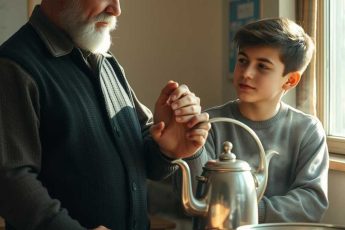
Boundless Cheek Well, Alice, be honest with me, whined Colin. Whats the real difference, truly?
Червоний камiнь
Діти
011
Repairing Trust: A Journey Towards Rebuilding Connections
14October2025 York Community Centre I walked toward the adulteducation hub as if I were still hunting

Червоний камiнь
Діти
027
I Purchased a Countryside Retreat for My Golden Years, But My Son Invited a Full House and Said, “If You’re Not Happy, Then Head Back to London.”
I bought a farm to enjoy my retirement, but my son wanted to pack a whole crowd and told me, If you dont
Червоний камiнь
Червоний камiнь
Privacy Overview

This website uses cookies so that we can provide you with the best user experience possible. Cookie information is stored in your browser and performs functions such as recognising you when you return to our website and helping our team to understand which sections of the website you find most interesting and useful.