
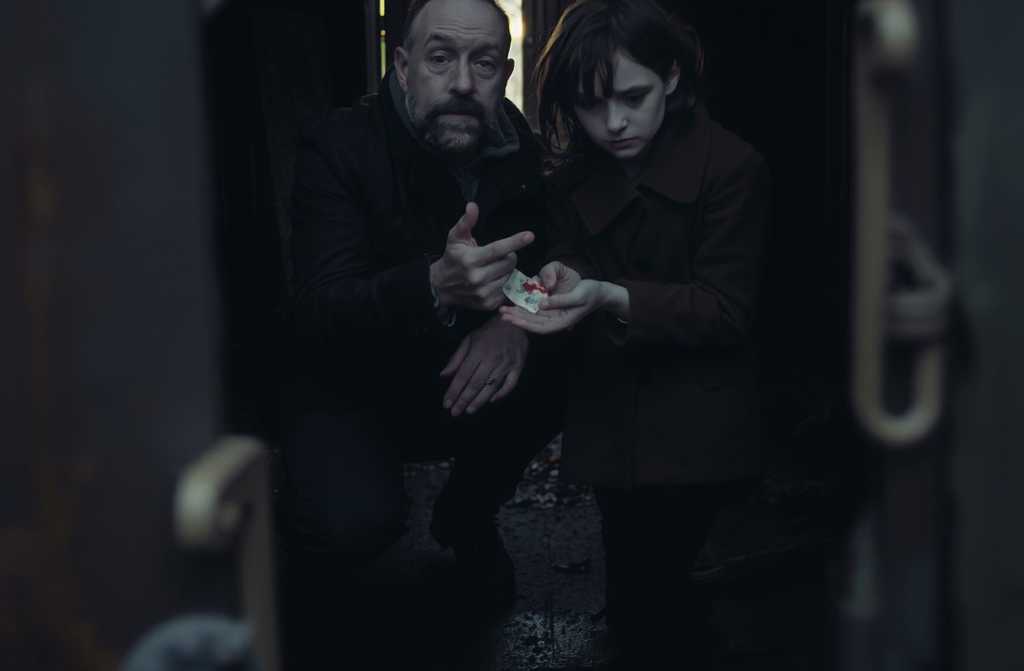
For twenty years, I wandered the forests and moors, searching for the lost and wayward, guiding them home beneath the low, grey English sky. I coaxed shivering children from the whispering woods of Sherwood and returned old men to the flickering lights of Manchester. I had brought back hundreds. But the day I stumbled across a certain fourteen-year-old girl, the daughter of a powerful local councillor, my radio crackled with a lie for the first and only time in my life: “No tracks. Most likely swept away by the river.” That single act cost me my friends, my good name, and the entire foundation of my existence. Sometimes, though, to truly save someone, you must first let the world believe they are gone.
In the surreal world of English search-and-rescue volunteers, theres one ironclad rule: we were not the police, nor the courts, nor kindly child minders. Our purpose was blindingly clearfind the lost soul, be it in the manicured woodlands of Kent or under the sooty bridges of London, and hand them over to their legal guardians or the constabulary. That was it. What happened behind those red-bricked walls after the lamps were dimmed was never our business.
My name is Simon. For two decades, I coordinated the most revered search party in our county. I knew how fear tasted on the cold air of the Yorkshire Dales, how to predict the wild, panicked gallop of a spooked mushroom-picker, how to send sleepy, caffeine-soaked volunteers streaming through misty fields in the low dawn light.
They called me “Greyhound” for my habit of snatching folk from the edge, even after days when the police had given up. I believed in the work. I truly thought bringing someone home was always an unquestionable good.
That is, until October 2018, when the nightmare began with Lucy.
She was the flawless victim.
Lucy was fourteen, sole heir of a construction barona councilman whose strings ran all the way to Westminster. Lucy disappeared on a school trip to the Lake District, fading amongst the beeches and holly. She never returned.
Nothing in my career came close to the scale of our hunt for her. Her father stirred up the Home Office, roped in the Army Reserves, even had helicopters from RAF Benson scouring the land with thermal cameras. Every day, crates of steaming fish and chips arrived at the search hub from the fanciest bistros. Her father, standing before the BBC cameras, eyes raw, voice quivering, pleaded: “Lucy, darling, come back! Id give away all I own, just let her be found!”
Even the drizzle and biting wind couldnt douse my teams resolvethey rushed headlong into the bracken, through midnight fog. We didnt rest for three days, tread mud into our sleeping bags, mapped every twist of the wild thicket.
On the fourth day, we shifted our focus to a derelict timber yard at the edge of the New Forest. The terrain was abysmalfallen pines and marshes, a river swollen dark with recent rain. I went into that quadrant alone, a hunch guiding me toward an abandoned hunting shelter Id known since boyhood.
There she was.
Lucy was huddled in the gloom, wrapped in a tatty tarpaulin, trembling so hard her teeth echoed against the damp beams. Her lips were blue. Cold had hollowed out her bones.
My fingers reached for my radio.
“Base, this is Greyhound. Ive”
“Dont!” Her voice was a ragged whisper, thin as wind through reeds.
She lunged, brandishing a rusty nail at her throat. Her knuckles whitened.
“If you call them If you bring me back, Ill do itIll bleed out, right here. Swear it.”
I hesitated. Kids ran away for all sorts of reasonsbad marks, blazing rows. But this panic vibrated with something deeper.
“Lucy, hush now,” I said, coaxing the commander out in my voice, “your fathers losing his mind. Hes got the town leading the search. He loves you, you know.”
She let out a choked laughso strange and sharp it belonged to a ghost. Then, shivering, she unzipped her grubby coat and lifted her jumper.
In the sweep of my torch, streaked across her back and ribs, I saw an endless series of yellowing scarsold belt marks. Searing, new cigarette burns. Bruises that spoke of deliberate, methodical cruelty.
“Mum died five years ago,” she whispered from the shadows. “He does this every day. For looking wrong, for reminding him of her, because he owns the town and no one can touch him. Hed lock me in the cellar for a week with no water. If you hand me to the police, theyll take me back to him, take the cash, and Ill end up dead for embarrassing him with my escape. Please. Just let me freeze here. Im begging you.”
I stood rooted in the dark hut. The radio buzzed with distant voices: “Greyhound, come in! Greyhound!”
The point of no return.
The law left no room for doubt. I should have reported her position, summoned the ambulance and the officers. Filed a Child Protection report. That was the righteous English way.
But dreams bend the rules, and in that thick, sullen air I remembered who her father truly was. The local constable had shared his whiskey with that councillor every Yuletide. Complaints blown away on the wind. Lucy would be labelled unstable, self-harming, and thrust back into a silken cageback to the monster, to the man whose hands bruised and shrank her world.
I had saved a hundred lives. Now, to save this one, I had to become something else entirely.
I pressed down the transmit button.
“Base, this is Greyhound. False alarmshelters empty. Over.”
I slid the scarlet coat from her shoulders. I produced a first-aid bandage, scored a gash along my own forearm, and worked my blood into the sleeve.
“Come with me,” I told her.
We crept out, quiet as hares. I carried the bloodied coat three hundred yards downstream, draped it across a branch bowing into the wild churn of the river. I left grooves in the muddy bank, the mark of a body dragged into the torrent.
Then, I led Lucy along forgotten shepherds paths, through nettles and under crumbling stone walls, sidestepping every search grid. At the A-road where my old Vauxhall was stashed, I bundled her in a sleeping bag and blasted the heater. We drove for ten hours, crossing into Wales. There, an old friend of mine ran a womens shelter, quietly ignored by the authorities. She never asked questions, only nodded; shed hidden people from husbands, bobbies, even desperate families before.
I left Lucy in good hands. She hugged me in partingwordless, tight.
An expensive lie.
By the next dawn, I was back at baseexhausted, stinking of earth and petrol.
I marched my teams to the riverbank, pointed wordlessly at the crimson jacket.
“She slipped,” I explained to the police and my stalwart volunteers. “Rivers running eight metres a second here. The currents taken her. We shant find her.”
My team weptthe burly lads and earnest women alikebroken that wed failed, that hope had dissolved away. I stood as the lie swallowed us whole, betraying the code Id sworn by, falsifying evidence and stealing away a child.
Lucy’s father made a spectacle on television. They buried a coffin, empty but for some trinkets, a week later. The coroner muttered “accidental death” and everyone drifted back into routine.
I resigned within the month. I could not meet my comrades eyes, could no longer chart routes or give orders now that I was no longer true. Stories spread: that Greyhound was finished, burnt outthe bottle his only companion. The team carried on under another leader. My days as a hero were done.
Eight years adrift.
Now, at sixty, I potter about as a mechanic in a battered garage behind a row of terraces. All accolades are gone, old friends faded like sepia prints. Nights I sleep alone in a flat tinged with the smell of oil and machinery.
Yet a week ago, in my letterboxno stamp, no returnwaited a single envelope.
Inside was a photograph. A radiant young woman, twenty-two perhaps, stood smiling in a nurses uniform on the steps of some college in the Pennines, her gaze bright as embers. On the reverse, penned in a neat hand:
“Im alive. And now I save others. Thank you for not rescuing me by the book.”
We comfort ourselves telling that good is always white-clad and lauded, that it is chaste and easy. But reality, in dreams and life, is warped and soiled. Sometimes, the highest calling to human decency demands you break every rule in the book. Sometimes, to rescue one soul, you must burn the shrine of your own.
If I found myself in that ramshackle shelter again, Id unplug that radio once moreconscience unsullied is not worth the drowning of another child.
Would you cross the linebreak the law, betray your kin, lose your honourif you knew it was the only way to save a blameless life? Where, for you, lies the barrier between the rules of the system and what is right in your own heart?





