
Forgive me, my boy.
It all unravelled like this: a family people might call troubled in whispers, as if that word explained everything. Ruth had raised her only child, Oliver, alone ever since shed left his father Oliver was barely crawling then. Now, at thirty-four, she wore tired eyes behind accountants spectacles, coming home each night from her small post in a firm off a sleepy lane.
The last year had slipped and splintered into some sort of waking nightmare. Oliver was fourteen, a spindly shadow with a furrowed brow. Once, until the end of primary, hed held his own in class, but after that grades tumbled. Ruths only prayer was simple: let him finish his last year at secondary, collect a certificate, learn a trade, anything.
The constant summons to school collected in her mind like unpaid bills. The form tutor never minced her words, not in front of the cluster of other teachers, all desperate to chime in about Olivers bungled homework, his lateness, his fidgets and sighs. Ruth left these meetings dull and spent, walking home past hedges prickled with dusk, convinced she was useless, powerless to change a single thing. Oliver heard her scoldings in silence at home, brooding, not lifting a finger to help or a book to read.
Tonight was no better. She opened the front door to scattered trainers, a mound of unwashed mugs and starlings dancing outside the window. That morning, before leaving for work, shed looked tiredly into her sons face and said very clearly: Oliver! Make sure you tidy up after school I mean it!
She set the kettle on the stove, each movement half-hearted. As she dusted along the sideboard, her fingers slipped over absence: where her only crystal vase used to standher birthday gift years ago from friends, the only thing of any real worth in the flatthere was simply empty space.
A weight settled in her chest. Had he taken it? Sold it? Unbidden, dreadful guesses crossed her mind. Shed seen Oliver lately with a bunch of rough-looking lads at the corner shop. Who were they? shed asked. Hed only muttered, Just mates, but the flinty shut of his eyes had said, None of your business. A bad lot, a chill voice inside her whispered. Was this their doing? Was Oliver taking up smoking? Something worse? Panic driving her legs, Ruth ran blindly down the stairs outside, hoping to see him on the street, but there were only the odd echoing footsteps of strangers, a silver haze clinging to the road.
She shuffled wearily back upstairs. Its all my fault, she breathed, over and over. All of it. He cant stand to be at home. I cant even wake him kindly in the morning its always a yell. Evenings, too, just scolding and shouting. Tears spilled into her hands as she knelt among the laundry. Then, with aching limbs, Ruth cleaned. Anything to keep from sitting still.
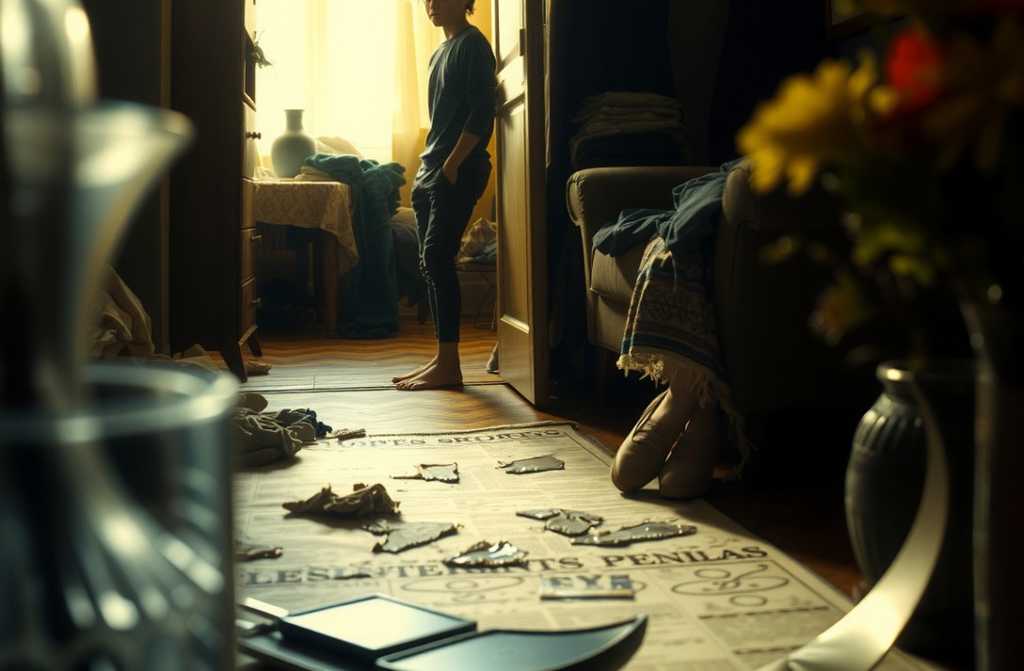
Behind the fridge, while scrubbing, she drew out an old newspaper, and a jangling sound: glass. She eased the paper open and saw fragments of the crystal vase, dull edges dulled further by wrappings of ink and time.
He broke it. Thats all, she realised, tears springing anewnot of fear, but blossoming relief. The vase hadnt been stolen. Oliver had just hidden the pieces, too frightened to confess. Not a fool, she thought suddenly. No, not a fool at all. She could imagine her rage had she walked in and found it: the shouting, the silent anger. Ruth sighed heavily and started to make supper, her hands slower than usual, mind wandering.
She laid the table nicer than she had in months: cloth, best plates, napkins folded just so.
Oliver crept back just before midnight, pausing in the hallway. Ruth dashed to him, wrapping his cold hands in hers, warming his fingers against her cheeks. Oliver! Whereve you been? I was so worried. Come in, youll freeze! She kissed him something she hadnt done in what felt like years and said, Go on, get your hands washed. Ive made your favourite. Bewildered, he nodded and disappeared to the bathroom.
She called from the kitchen, Ive set the table in the lounge. He wandered in, noticing how the flat seemed to glow quietly, almost with a hush. Ruths voice was soft, unfamiliar: Eat, love. He sat, head hanging, picking at nothing.
Go on, son, tuck in.
Oliver slowly raised his head, voice trembling: I broke the vase.
I know, darling, Ruth replied. She smiled gently. Its alright. Everything breaks at some point, doesnt it?
He suddenly slumped over the table and cried, real, shaking sobs. She rushed over, hugging his quaking shoulders, and her own tears fell quietly, side by side. When he finally calmed, she stroked his hair and whispered, Forgive me, Oliver. Forgive your old mum. Im always shouting, always cross. I know its hardyou see your friends with nicer things, better clothes. Im tired and always working; you see, I even bring my office home. Im sorry, trulynever again will I make you feel less than you are.
They finished supper in silence, drifting together to bed in the hush. That dawn, for the first time in years, she didnt have to call him awake. He was up early. When she saw him out the door, she didnt grumble or threatenjust kissed his cheek and said, See you tonight, love.
That evening, Ruth came home to mopped floors and a plate of golden chips sizzling on the hobher son in an apron, smiling a shy smile.
After that, she banished all talk of school and marks from their home. If she dreaded school meetings, how must Oliver feel? One day, he quietly told her hed be staying on for sixth form. Ruth said nothing to show her surprise. She once peeked in his school plannerno failing grades at all.
But the day that shone most in her memory was the one when, after dinner, Ruth settled bills at the dining table, head clouded with numbers, and Oliver slid in beside her, offering to help check the sums. An hour later, she felt his head nestle onto her shoulder, just like years ago, when he was small and would sleep dribbling onto her sleeve.
She stopped, barely daring to breathe. In that strange peace, Ruth knew shed found her son again, and all the broken things were somehow mending.





