
The Cost of His New Life
Jane, I need to speak with you. I’ve been thinking about this for quite a while now.
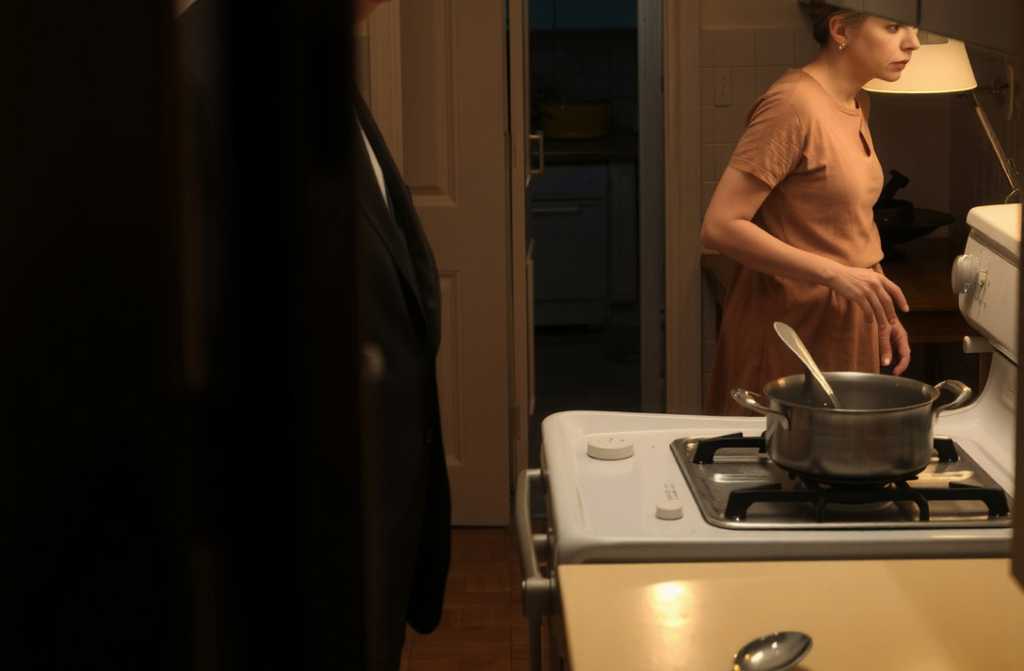
Jane Thornton was at the stove, stirring soup. Just ordinary soup: potatoes, carrots, a hint of celery. She didnt turn straight away. Her husbands voice wasnt the voice he used to complain about council tax or talk about the office. It was thick, weighted, deliberate.
Go on then, she replied, still stirring.
No, youre not listening. Turn around.
She switched off the hob. Laid the spoon down. Turned around slowly.
Richard Thornton stood in the kitchen doorway. Fifty-two, tall, with steel-grey curls at his temples which Jane once thought handsome. He was holding his mobile but not looking at it, just holding on. As if it was ballast.
Im leaving, he said.
Something tightened beneath Janes ribs. Not pain, not yet, but the anticipation of pain.
Where are you going? she asked. She knew it was a foolish question but found no better words.
I’m leaving for good. My things are packed. The suitcase is in the hall.
Richard…
Please, Jane. I dont want a scene.
I dont intend to make a scene. She found control surprising even herself. Just explain, please. You owe me that.
He paused. Shifted the phone from hand to hand.
I cant keep on like this, he said at last. Im not prepared to spend my life with an invalid.
The silence that followed had mass, texture. A car rumbled past outside, a door banged somewhere on the landing, pipes clicked and settled. And in the kitchenit was silent enough for Jane to hear her own breathing.
What did you just say? she whispered.
I know how it sounds. But you asked. I cant stand the thought of looking at your scar for years, counting your tablets, covering your sick notes. Youve changed, Janeyou arent the same since the operation.
I gave you my kidney.
I know.
I gave you my kidney so you could live.
I know. He didnt look away; that was the worst. He didnt try to hide. And Im grateful. You saved me, Ill never forget that. But I cant spend my life out of gratitude, beside someone who
Who what?
Who isnt the person I married.
Jane backed away to the window. Beyond the glass: November, bleak and wet, with bare trees and puddles all along the pavement. She stared out, not sure what she was supposed to do. Weep? Scream? Collapse?
Theres someone else, she said. Not a question. Just knowledge.
His pause lasted long enough to be the answer.
There is.
How long?
A few months.
She nodded. Still staring out, out into the puddles.
Whats her name?
Jane, whats the point
Whats her name? she repeated.
Victoria.
How old is she?
Thirty-one.
Another nod. Inside her, odd pieces rearranged and slotted together: Richards late nights, his new cologne, the way, lately, he’d stopped asking how she wasjust stopped.
Are you leaving now? she asked.
Yes.
Fine.
She heard him moving along the hall, suitcase wheels scuffing the parquet, the front doors tidy click. That was all.
Jane stood at the window for five minutes more. Then went back to the hob, turned the heat back on, and picked up the spoon once again.
She still had soup to finish.
***
Three years before, when Richard was diagnosed with end-stage kidney failure, Jane hadnt hesitated for a moment. Shed offered herself. The hospital tested, found them compatible, and by that April, they were in side-by-side beds in St Marys. She gave him her left kidney. Recovery took longer than expected for her; Richard bounced back quicker.
She grew used to the new, one-kidney life: aches, fatigue, a specialist diet, blood tests every few months. The scar along her left side faded but never vanished; it just pale and thinned, always present.
Meanwhile, Richard flourished. Rosy cheeks, extra weightthe pounds lost to dialysis quickly regainedjoined the gym. New tailored jacket. New cologne.
Jane thought he was happy to be alive. Gratefultrying to seize the day. She was glad for him. Genuinely.
She was a fool.
***
The first two weeks after he left, Jane worked. It was all she could do automatically: freelance translation, English and German. Medical texts, contracts, the odd piece of fiction. She sat at her battered desk, translating other peoples words into other peoples language. That was a reliefshe had no words of her own just then.
Meals were an afterthought. Toast, cheese, perhaps a boiled egg. She went to bed early, unable to bear the flats silence. Waking at four, shed simply lie there, tracing cracks in the plaster until the city began to grey with dawn.
Her friend Kate phoned every day.
Jane, have you eaten properly?
Yes.
What did you eat?
Come off it, Kate.
What did you eat, Im asking.
A sandwich.
Thats not food. Ill be round tomorrow.
Dont.
Ill be round tomorrow.
Kate Manners, her oldest friend from university. They were both fifty. Kate was a GP at a nearby NHS surgery, on her second marriage, two grandchildren at weekends, blunt as brass. No hedging, no softening.
She came the next day and went straight to Janes fridge.
My God, Jane, she whispered, gawping at the near-empty shelves. Are you living on air?
I eat.
What?
Bits and bobs.
Bits and bobs. Kate closed the fridge and faced her. You look like youve been erased. You have no face left.
Thanks.
That isnt a compliment. Look, I know youre struggling. Thats normal. Its expected. But you cant just fade away.
Im not fading.
You are. Kate sat at the kitchen table and gestured for Jane to sit. Start at the beginning. Tell me everything.
So Jane sat. She stared at the marred formica.
He said he didnt want to live with an invalid, she said in a steady tone. Thats that.
Kate was silent for a while.
What a bastard, she said finally. Plain, without heat. A matter of fact.
No. Jane shook her head. Dont. No use calling him anything. It doesnt help.
You need anger. Its healthier than this.
Ive tried, Kate. Theres nothing. Just emptiness.
Kate was quiet. Then she stood, put the kettle on, made for the cupboards.
Do you know what depression really is? she asked, back turned. Its not sadness. Its absence. Thats what you describe.
I know.
But you wont see anyone for it, will you? I know you. Not a question. But promise me this: are you taking your medicine? Bloods? Pills?
Yes. Its automatic now.
Good.
Kate found a packet of brown rice and set about making a casserole, asking no permission. She acted as though this had always been her kitchen, as if she came here every Thursday.
And that was when Jane started to cry.
For the first time in two weeks. Not the graceful kind, but the wracked, shaking sobs she couldnt hold back.
Kate didnt make a move to comfort herno arms, no it’s-all-rights. She only turned down the heat, fetched paper towels, and set them before Jane.
Let it out, she said. Its good for you.
***
December slipped by in a fog. January was a shade lighter; work helped. Translating absorbed the mind, left no room for thoughts of her own.
In February, Kate started on about a convalescent home.
Jane, you need a change of scene.
Where?
A proper place. Ashford Grange, in Kent. Good programmephysio, fresh air, proper walks… and the countrysides lovely in winter.
Kate, Im not disabled.
You need rest and change. Youve been sitting here for four months. Soon youll be talking to the wallpaper.
I already do.
Kate glared.
Joke, said Jane. Nearly a joke.
Youre going, Ive checked, theyve a spot in March. Three weeks, as a wellness retreat. Youre medically entitled, post-donation, for annual convalescent recuperation.
Youve made that up.
I haven’t. Check online.
Jane didnt check. She knew Kate was right. She knew she was sinking, quietly, invisibly, in this flat, and needed to act.
All right, she said at last. Ill go.
***
Ashford Grange was just as Kate said: an old Victorian building, smartly refitted, set in acres of pine. The window of her little room looked onto a lakestill frozen in March. The morning sun turned the ice pink.
The first two days, Jane barely left her room. Treatments, meals, then back to her bed with a book. She did a bit of translation, even though clients had agreed to let her pause.
On the third day, she took a walk.
The grounds were mostly deserted. A clutch of retirees on benches. Two brisk women with Nordic walking poles. A man and a dog.
She strolled, listening to the sand crunch beneath her boots, bird voices in the trees. Letting her mind go blank. It was a kind of bliss.
By the lake, a wooden bench. Jane sat, watched the ice.
Mind if I join you?
She glanced up. A manabout fifty, stocky, ginger-tinged beard, navy coat. He nodded at the bench.
Please, she said, sliding over, though there was plenty of room.
He sat and gazed at the water too.
Lovely spot, he said, after a minute. Ice is holding on.
Yes.
Surprising, for March. Last year, locals say it was gone in February.
Ive not been here before, Jane said. No basis for comparison.
Second time for me. Last was October. Now March.
She didnt pry about why he was here. At Grange, everyone knew you werent an inpatient for fun.
You been here long? he asked.
Three days.
Arrived yesterday, me. He cautiously stretched his left leg, as if testing it. Not up to walking that well yetphysios recommended, apparently.
She noticed his posturetilted, not quite even.
Injury? she blurted, surprising herself.
Yes. In September. Spine fracture. He said it matter-of-factly. Nothing critical, as you seeI walk. But recoverys slow.
Sorry.
For what? You didnt push me.
Of course It must be tough.
It is. But one does a lot of thinking. He half-smiled. Supposed to be healthy.
Jane found herself smiling back. Awkwardly, but still.
Im Simon, he said, offering his hand.
Jane.
They shook. Brisk, businesslike.
Time I toddled on, he said, standing up gingerly. They want me walking forty minutes a day. Feels like an expedition.
Good luck.
And you.
He walked away, level but cautious, one stride half a beat heavier. But uprightunbowed.
Jane looked again at the ice.
For the first time in months, things just were. Not easy. Not good. Just simple.
***
The next day, by a twist of fate, they shared a breakfast table. Jane had picked a window seatthe only free oneand when Simon came in, she nodded.
Join me if you like.
Cheers.
They didnt chat much; he read the paper on his phone, she watched the birds. Eventually
Youre a translator?
She blinked.
Why do you think so?
Yesterday at lunchGerman-English dictionary on the table. A proper book one, mind. Unusual.
Observant.
Architects habit. He shrugged. So you are?
Yes. Medicine, law, sometimes fiction.
Fascinating. I was an architect. Nowwell, well see.
Why well see?
Hands work finebut my back. He tapped the table. Its not just work, you see. You think in space. See things differently. When you cant, somethings missing.
I know, Jane said. Its the same with translation. Brain flips mode. Without it, somethings off.
Exactly. He nodded, pleased.
Silence again. But a good silence, ordinary.
How long are you here? he asked.
Three weeks.
Same. So, see you around.
Looks that way.
***
As Jane watched the last of the ice linger, and talked with Simon about dictionaries and architecture, Richard Thornton lived an entirely different life.
He didnt quite know how it happened, but for the first time in years, he felt well. After illness, after dialysis, after feeling his body a traitors shell, he discovered it worked. He could rise in the morning and not think of pills. Could drink wine with dinner without calculating every consequence. Wellalmost. There were always restrictions, but they seemed trivial now.
Victoria was part of this newness. Thirty-one. Honey hair, phone always pinging, boundless energy. She worked as a manager for a travel firm, forever planning.
Richard, look what I found. She showed him photos on her phone: Scottish lochs, turquoise Cornish coves, wild cliffs. April in Cornwall! Walking trails, easy, but looktheyre stunning. Interested?
Absolutely, he said. Because he was. Hed never expected to go anywhere again.
They moved into his flat. Victoria brought boxes, rearranged the lounge, hung new curtains. Richard didnt mind the curtains; they were nice.
Sometimes, faintly, he thought of Jane. Not with shame. Well, perhaps a pinch of discomfortbut he refused to call it guilt. Shed been good to him. Shed done something enormous. But to share life with someone illor someone you thought illdrags you under. He needed upward, not downward.
That was his story and it worked.
At work, everyone noticed his change. Even his mates at the office joked.
Thornton, mate, who swapped you out?
Lifes on the up, he replied.
And it was. Cornwall in April. Scotland in September. Victoria wanted to see the northern lights. Richard wanted everything hed missed.
Scotland was cold, raw winds. They hired a car, raced over open roads. Victoria snapped photos, Richard feltfantastic.
Speed. He didnt want to lose it.
***
Back at Grange, days slid gently by.
Treatments, walks, three square meals. Jane took to small routines: mornings pine-scented bath, breakfast, a long stroll, a nap after physio, evenings at the window with a book or nothing at all.
Simon was often on her schedule. They bumped into one another, nodding as if by arrangement.
Thirty-six minutes today, he announced, landing on their bench the fourth morning.
Target was forty.
I know. Tired. He watched the ice, now flecked with puddles. Annoyed with myself.
No reason to be. Youre five months recovering from a spine fracture. Enough reason, Id say.
He glanced over, surprised.
You translate medical textsobvious.
Hows that?
Youre matter-of-fact. No mollycoddling. He paused. People overdo things. Youll be fine. Isnt it marvellous. Or they diminish. Well, so what. But you just give facts.
I have no idea if it will be fine, said Jane honestly. Im not your doctor.
Thats it! He smiled. Honesty. Rare stuff.
He was rightrecent months overflowed with toothless hope. Youll be all right, youre strong. No one had just said the truth.
How did it happen? she asked, and quickly added, Only if you want to tell.
Site accident, he stated simply. I visit builds, goes with the job. Something was wrong with scaffolding. I fell, three storeys.
And?
And I survived. He said it as a fact. That in itself is interestinglying there, not knowing, starting to piece it together. First, you know youre alive. Then you know it hurts. Then you work out what, and how badly.
Is it a long recovery?
Oh yes. He stared at the lake. But plenty of time to think. As I said.
About what?
Everything. He paused. All those houses I built, and nothing really my own. My sonI barely spoke to him for two years. Maybe, he mused, this accident was a blessing, in disguise. A jolt.
Odd kind of jolt.
Life isnt elegant, is it?
Jane surprised herself by laughing.
First time Ive heard you laugh, he remarked.
Ive only known you three days.
Exactlythree, and not a single laugh.
She didnt reply. Kept her eyes on the melting ice.
Are you married? he asked, not flirty, just straight.
Was, she answered, equally plain. Not now.
Long?
Four months ago. Quick pause. He left me. After
She didnt finish. Then she did.
I gave him a kidney, three years agoa transplant. Then he left me. Said he couldnt stay with an invalid.
Simon was silent. She waited. Usually, people said ‘How awful,’ ‘Unbelievable,’ ‘How could he’ at this point.
That hurts, he said at last. Plain.
Yes, said Jane. It hurts.
***
By mid-March, the lake melted. Water dark grey, then turned blue with sun. Mornings brought mist.
Now, they walked together by design. Ten oclock, after breakfast, met at the front steps.
Simon walked slow. Jane matched his pace, discovering she liked it; she too had no desire to speed.
They talked. At length and randomly. Work, houses, languages. How your sense of space shifts after an injury. How your body lives differently afterward. Jane described her scar: how she couldnt look at it at first, then grew used to it, then began to see it as just another part of herself.
Thats right, said Simon. Bodies are honest. They just adapt.
Do you look at your scar? she asked.
Its on my backI feel it, more than see it. He grinned. But its always there.
What does it mean to you?
He thought.
It means Im here. Something happenedand Im here. Thats enough.
Jane chewed this over later, evenings at the window: Something happened and Im here.
It was a different philosophy. Richard had wanted to forget, wipe the slate, start from zeronew body, new woman, new speed.
Simon, the man with the uneven stride, said: being here is enough.
She wasnt sure what she quite thought about that. But she wanted to think about it.
***
By week two, they drank tea together in the main hall armchairs. Jane brought shortbread from home; Simon paid the vending machine for tea.
Tell me about your son, she asked one evening.
Daniel. Twenty-six. Arsenal man. Married last year, nice wife, met her at the wedding. He cradled his paper cup. We werent estranged, not reallyjust drifted. I was always busy. He grew up, did his own thing.
Did you speak afterwell, after the accident?
He came. To hospitaljust sat. He frowned. Lifes oddsometimes takes disaster to get people talking.
I know. Jane held her cup. Ive a daughterAlice, twenty-three. When Richard left, she wanted to come. I said no.
Why?
I didnt want her to see me like thatthen. She paused. I didnt want her to see me as a victim. Im her mum, I should be…
What?
Myself, maybenot someone to pity.
Understood. He nodded. Pride, or self-preservation?
Both, I think.
Does she know youre here?
Of course. We speak. She wants to visit this weekend. Im thinking.
Let her.
Jane looked at him.
Why?
Because she wants to. Not to pity, but out of love. He set his cup down. I turned Daniel away for ages, thought Id cope on my own. Its possiblebut when he came… well, it was better.
Werent you worried hed see you weak?
Of coursebut he sees anyway. Hes my son, after all.
Jane nodded, said nothing. But on Friday, she rang Alice and said to come.
***
Richard Thornton, meanwhile, pored over a travel magazines double-spread volcano.
Victoria, lookAcatenango. The climb!
She looked: Four thousand metres, Richard. You never climbed a mountain!
Before, Id have done nothing. Nows the time.
Your consultant did warn you.
He said pace yourself. Walking is pacing. Its just a trek, Vic, not Everest.
She hesitated.
All right. Autumns best for it.
Brilliant, Ill look for bookings.
She got out her phone. Richard stared at the imagea perfect cone rising from the mist. Beautiful.
He rarely thought of Jane now. Sometimes, when mutual friends phoned, awkward and unsure, or when he passed the transplant ward at St Marys and recalled Janes hand steadying his pillbox. Shed always sorted out his tablets. He hadnt askedshe just quietly did it.
Now he did it himself.
You got by yourself, it turned out.
He no longer needed antidepressants. No blues; his body worked well. Last bloods: all fine. The nephrologist always looked surprised and pleased.
How do you feel?
Fantastic, Doctor.
Exercise?
Reasonable.
Alcohol?
Minimal.
Diet?
As best I can.
Good man. The kidneys well settledbe careful, though.
I am.
***
They didnt go to Guatemala. Victoria found something nearerMorocco, for October. Cities, souks, desert, camels and all.
No climbs, but beautiful, she said.
Fine by me.
Morocco was roasting, thirty-five degrees. They wandered souks, haggled, bought silly things. At dinner, long table, spicy lamb and mint tea.
Richard felt tiredbut put it down to the heat. That happened.
On day three, he developed a temperature.
Dodgy meal, he told Victoria.
Or heatstroke.
Probably.
He lay in for a day. Next day, better. They carried on.
On the last day, he got a pain in his sidethe right, where Janes kidney sat. Dull, insistent.
You all right? Victoria asked.
Just a twinge.
Maybe a doctor?
Itll passprobably all the walking.
They returned home. The pain eased in a few days.
But something remaineda faint unease he refused to call worry.
***
Alice arrived at Ashford Grange on Saturdaytall like Richard, but Janes face, Janes clear blue eyes and neat brows.
They hugged in the foyer, tight and long.
Mum, she said, matter-of-fact.
Alice, Jane replied.
They drank tea in the lounge. Alice talked about work, the new flat she and her boyfriend had found. Jane thought how grown up she was. She’d changed while Jane hadnt looked.
How are you? Alice askeddirect as always.
Better, Jane said. And it was true.
Is it nice here?
Yes. Quiet. There are pleasant people.
Alice gave her a look that meant shed heard something else.
What pleasant people?
Jane hesitated.
One, mainly. Architect. Also recovering. Hes good.
Good
Alice, dont.
Im not saying anything!
Your tone says it.
Im glad if hes nice, truly, Alice said seriously. Too glad for should, shouldnt.
Jane looked at her.
Youve grown up.
Oh yes, Alice said. About time.
Simon came through later, nodded politely.
Afternoon.
Hello. Alice, this is Simon. Simon, my daughter.
Lovely to meet you, Simon said, shaking Alices hand. How do you like the place?
The woods are wonderful.
They are. He glanced at Jane. Wont disturb you. See you tomorrow.
Tomorrow.
When hed gone, Alice was quiet a bit.
Mum, she said at last.
What?
Nothing. Just She grinned. Alls well.
***
The final week at Grange drifted by slow and sweet. The snow melted; green shoots nudged up and birds shrieked so madly at dawn that Jane woke before her alarm, and didnt mind.
She and Simon walked daily. Now, his stride was surerforty minutes, then an hour, then up to eighty. He didnt boast; simply noted it.
An hour and twenty-seven minutes today. Barely stopped.
Excellent.
Legs behaving. Physio says three or four months, and Ill be as good as new.
Thats something.
I mightvisit Daniel in Manchester. No reason. Just to go.
Just?
Just. He watched the trees. About Alice, you were right, by the way. She came out of love, not pity. I saw.
Good eye.
Architects jobseeing not just things, but the spaces between them.
Jane considered that.
Thats beautiful, she said.
Its useful, he grinned. Jane, can I ask something a bit bold?
Depends.
When were both home, can I call you?
She stopped. He stopped too. They stood on the path, pines all around, a silver lake just visible.
You can, Jane said.
Good, he replied, quietly and meaningfully. As if it really did matter.
They walked on.
***
She returned home late March. Same flat, same curtains, same old everythingbut different, somehow.
First thing: windows open, let the air in. Made a shopping list, bought real foodchicken thighs, veg, something complicated for supper.
Cooking, she listened to the World Service.
Kate rang at 8.
Well? Back?
Yes.
Tell me.
It was good. Really good.
I can hear it. You sound different. Pause. Janewhats happened?
I met someone.
Long pause.
Tell me everything, said Kate, voice changed.
Jane didbrief, no fuss. His name, Simon, an architect, fallen from a building, slow walker, tea at night.
Will he call?
He said so.
Good, Kate said. Good.
Simon called the next day.
***
They began seeing one anotherslowly. That word fitted best: slowly.
Their first meeting was two weeks afterwarda little bistro near Simons central flat. Simon had lived alone for years. Ex-wife somewhere in Birmingham, remarried.
We split properlyno malice. We wanted different things.
What did she want?
Certainty. I was meant to finish at six, not traipse round sites at midnight.
Daniel with her?
To sixteen. Then here a bit. Now up in Manchester. He broke bread. I wasnt a bad dad. Justabsent.
Theres a difference.
They ate. April, dusk, the street shining with rain.
Theres something, Simon began.
Jane looked up.
Im slow, he said plainly. Generally, but more so now. If that suits, brilliant. If not, I understand.
Slow suits me, she said. Im not speedy either.
I noticed. In the parkyou didnt rush. He gave her a level glance. Thats good. Means you know where youre going.
Jane thought it might be the oddest, but most flattering, thing anyone had said.
***
They met once a week, sometimes twice. Walks, meals, talk. He told her of his work and she, hers. Medical appointmentssometimes theyd wait for one another after theirs and head home together.
In May, Simon invited her to a small architectural exhibition in a repurposed warehouse. Models, blueprints, site photos.
This, he paused by a model of a small house, last project before my accident.
Tell me about it.
He did: the house, the light, the angles. He was so absorbed she just listened.
Is it built?
Nearly. Ill visit in autumn.
Will you take me?
He turned. She realised shed slipped from you to youthe English shift.
Yes, he replied. Easily.
Something important and quiet shifted. No announcement; just a word.
***
That summer, Richard Thornton realised something was wrong.
It started with his test results. His nephrologist called, unusual in itself.
Richard, your blood work is worrisome. Id like you in for a chat.
Whats wrong?
Its slight, but there may be rejection. Well need to adjust your drugs.
Rejection? He didnt want to believe.
Mild, earlywe caught it. Be strict; we might stabilise. But
But what?
Stress and exertion. What have you been up to?
Richard listed his travels: Cornwall, Scotland, Morocco. The nephrologist listened patiently.
Richard, transplanted kidneys are not your own. They work, but only with daily drugs. Heat makes those drugs less effective. Altitude, erratic climatehard on your immune system.
You said
I did. And you heard?
Richard didnt answer.
I wont alarm you, the doctor finished, but remember, you’re not simply a man living life. Youre a transplant patient. Its different.
Richard sat in his car outside the clinic for ages.
Two teenagers ambled past with shopping. Laughing.
He felt something he didnt want to name.
***
Victoria was attentive, the first days after the tests. Then, her patience ebbed; she masked it, but Richard sensed the shift.
Vic, I need to tone it down a bitthe doctor says.
Of course. In the wardrobe, not looking at him. Recover and things can go back to normal.
It’s not flu. Its
I know, I know. She turned. Richard, Im not saying anything bad. Just lie low a bit. Itll sort itself out.
If it doesnt?
She stared.
It will. Dont exaggerate.
He thought he wasnt; just asking.
***
That autumn, no Guatemala. Nowhere at all.
Richard stayed in, read a lotsomething that worried him. He wasnt the nesting sort. After so many years seized by illness, hed hungered for motion. Now he was stuck, again.
Victoria came home later and later. Sometimes not at all.
They rowed, in November, over something triviala plan for the bank holidays. But it was all surface.
Richard, you know I cant do this, she didnt shout. Just weary. Youre unwell, tense, and not present. When I speak, youre somewhere else.
Sorry.
Not about fault. Its just She stopped.
That Im not what you expected? He asked.
Pause.
I dont know what I expected, she admitted, but not this.
He understood.
And, oddly, his first thought wasnt about Victoria.
He thought of Jane.
Of how, when hed been laid low by illness, Jane just spoke quietly, counted pills, checked leaflets, made it part of their life. As if being sick was normal, not a drama but reality.
He shook the thought off.
***
By Christmas, Jane knew she was happy. Quietly happy, a calm knowledge. Not wild, not soaring. But she woke, glad of each new day.
She and Simon met almost daily. By October, his gait was normal. He teased himself about still slowing, out of habit.
Enough dawdling, said Jane. Youre fine.
Habits linger, he grinned, and not all are bad.
In October, they visited Simons finished house outside Oxforda little detached place in a hush-green village. The builders were finishing off; Simon wandered, noting things only he saw.
Jane stood by an upstairs window, watching the soft-brown dusk.
Its good, she said.
Im pleased, he said, beside her.
He stood close; their shoulders touched.
Jane?
Yes?
I want you to live here, someday. If you like.
She was silent.
Someday, she said at last.
Thats an answer?
Its an honest one. She looked at him. Im not hasty.
I know, he said. Me neither.
They watched the leaves glow gold in perfect autumn light.
***
January. Kate called.
Jane, did you hear?
What?
About Richard.
The old, deep ache flickered alive.
Whats happened?
Hes in hospital. His kidneyyou know? Kate was measured. A friend at the bank told me. Its serious. And that girl, Victoriashe left.
Jane stood at the window. Outside, a cold January in Islington.
Thank you for telling me.
Jane. Pause. Are you all right?
I am, she said. I truly am.
She set the phone down, watching out at a winter sky. Inside, something stirreda feeling she couldnt place. Not spite. Not pity. Something more supplea quiet understanding.
She rang Simon.
Hello.
Hi. Everything all right?
Yes, I just wanted to hear your voice.
There you are, he said, warmth in his tone.
Are you free tonight?
I am.
Come. Ill cook something proper.
On my way.
***
Richard left hospital in February. Thinner. Not olderjust altered.
Alone. Victoria had cleared out her things before hed even been admitted. No dramajust came, zipped up her suitcase, waited for a cab. He carried boxes for her. They parted politely. That, perhaps, was the real sadnessnot a row, just two people accepting theyd both erred.
The flat was silent. Curtains still Victorias; he kept meaning to change them but didnt.
He thought of Jane.
At first sporadically. Then daily. Thenhourly.
He realised he remembered not her sufferingbut her ability. Her steadiness. The gentle order shed brought. How shed arranged his pillbox. Called the hospital. Quiet in every crisis.
He needed that kind of person. He could see it now.
He found her old number on a backup phone. Stared for ages.
Then called.
She picked up on the third ring.
Richard, she said. Not asking. Just knowing.
Hello, Jane.
Hello.
How are you?
Well, she said. And you?
Youve heard, probably.
I have.
A pause.
May I come? Talk.
She hesitated.
You may, she said finally. Come around.
***
He rang at four on a Sunday. Jane opened straight awayas if expecting him.
He looked different. Not older; just as if something at the core had been shifted, finally registered.
Come in.
Thank you.
He entered, scanning the familiar hall. The same; but the changes, new books, new flowers. A different air.
Sit. Tea?
Please.
She went to the kitchen. He settled in an armchair. A family photoAlice, laughing, Jane in her thirties, so young.
When she brought the tea, he hesitated.
JaneI know I have no right to ask this.
Richard
Please. Let me speak. He looked at her. I was wrong. In every way. What I said, what I did
Theres no need to explain, she said.
There is. He swallowed. I want to ask if we can start over. I know how it sounds. But Ive changed. I know who and what I want now.
Jane set her cup down. Considered him, deeply.
Who do you want, Richard?
You.
Me, or someone who can nurse you?
He faltered.
Isnt that the same thing?
No. Her tone even, not angry, just measuredsomeone who had long pondered everything. Youre not here because you missed me. Youre here because you fear being unwell, alone. Because you remember I didnt run at the first sign of trouble.
Jane
Let me finish. She didnt raise her voice. Im not angry. Know that. Its been a year and a half, and I Im better. Not because I forgot, but because I found again what youd managed to take.
What did you find?
Myself. She paused. And someone else.
He looked up sharply; something in him realising.
Theres someone else.
Yes.
Long?
Since spring. She sipped tea. Hes a good man, Richard. Also fallen, also healing. He understands. Not in theoryin the flesh.
Richard stared at the carpet.
You should be angrier with me, he said quietly.
I told youtheres no anger. Just emptiness. But it passed.
How did you do it?
You dont do it. She met his eyes. Youre helped. Kate. The Grange. Time. And a man who doesnt run away.
I ran.
Yes.
I was scared.
I know, Jane said. Scared of scars, weakness. You thought illness meant no more life. But its not an end. Its a change. Sometimes, a good one.
Jane, I want you back.
Richard She shook her head, weary and calm. You want someone to look after you. Thats honest. Its simply not love. Loves something else. You know that.
What if it is?
If it were, you wouldnt have left.
He couldnt answer, for a while.
I dont know how to live now, he said at last, softly, no drama.
Thats a good start, answered Jane. When you don’t know, you start thinking. Have you thought, these months?
I have.
And?
That I waslacking substance, he said. I lived fast, loud. Turns out theres nothing there.
Thats an important thing to realise.
Meaningless, if theres no one with you.
You need to matter to someone Jane said. Not someone you expect care from, but someone you give it to. Have you thought about that?
He said nothing.
You were ill, needed a solution; I gave you one. Then you called me broken. For the first time, her tone sharpeneda note like a needle. You thought crippled meant the body. Real crippling, Richard, is when a person can care for nothing but his own ease, cant stay when things go wrong, flees from challenge.
He said nothing. His face changednot wounded, but grown.
I cant go back, Jane said. Not for anger. Simply, theres no reason. You cant build on a collapsed foundation. Only on new ground.
With someone new.
Thats not a rebukejust the simple truth.
He stood, put on his jacket.
Ill go, he said.
All right.
At the door, he paused.
Are you happy? he asked.
She took her time.
Yes, she said at last. Not as before. In a new way. But yes.
He nodded.
Good, he whispered. And she thought he meant it.
The door closed quietly behind him.
***
Jane stood in the passage. Somewhere, a lift whirred, a door snapped shut, a car went past outside.
She took out her phone, texted:
Hes gone. Alls well. Where are you?
A reply inside a minute:
Riverside. Come.
Coat, keys; she left.
The landing was quiet. Outside, cold, but no hardship. Februarys dry, mild air.
She walked the pavements, thinking about Richards question: was she happy? Shed said yes; it was true.
Riverside was ten minutes away. She neither rushed nor dawdled.
She simply went, knowing where.
***
Simon stood by the parapet, looking at the Thames. Heard her steps, turned.
Long trip? Jane asked.
Tubes quick enough. He looked at her closely. How are you?
Im all right. She stood beside him. Truly all right.
What did he want?
To begin again.
Simon was silent.
Did you explain?
I did.
Did he get it?
I dont know. Perhaps something. Hes changeda quieter man.
Life changes those willing, Jane. The rest, it just breaks.
Simon nodded.
They stood together, the river a pewter-black February, wind rough but not cruel, winter sunset fading pink above the roofs.
He didnt take her hand at first. Just stood. Then, some moments later, his fingers brushed hers. Not demanding. Just therelike someone who finally knows theres no need to hurry, because this is enough.
She let his fingers twine with hers.
The river went on flowing.





