
At 65, we realized our children no longer needed us. How do we accept this and start living for ourselves?
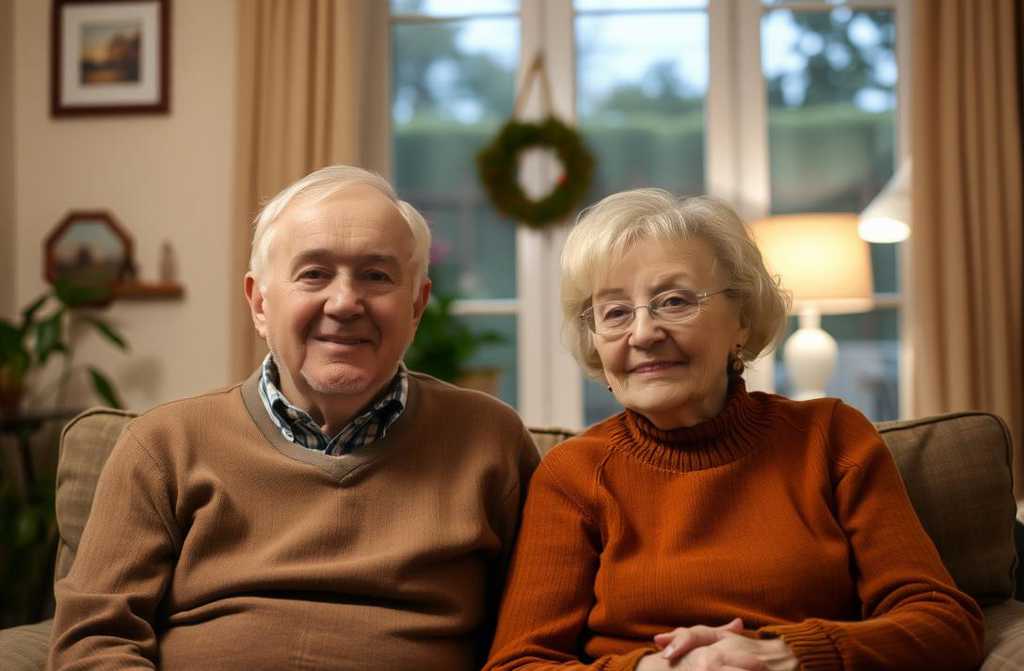
In a small cottage on the outskirts of Manchester, where every corner holds memories of a bustling youth, 65-year-old Eleanor sits with a cooling cup of tea, staring blankly ahead. For the first time, her heart tightens with a bitter truth: the three children she and her husband devoted everything to—time, energy, savings—have all moved on, leaving them alone. Their son won’t even pick up the phone when she calls. Sometimes, a terrifying thought crosses her mind: will none of them even offer a glass of water when old age takes its toll?
Eleanor married at 25. Her husband, James, had been her school sweetheart, relentless in winning her heart. He enrolled in the same university just to stay close. A year after a modest wedding, Eleanor fell pregnant. Their first daughter, Charlotte, arrived when life wasn’t ready for such changes. James dropped out to work, and Eleanor took a leave from her studies.
Those were hard years. James worked round the clock while Eleanor learned motherhood, all while trying to finish her degree. Two years later, she was pregnant again. She switched to part-time study, and James took on extra shifts to keep the family afloat.
Despite it all, they raised two children: Charlotte and their younger son, William. When Charlotte started school, Eleanor finally landed a job in her field. Life began to settle—James secured a stable, well-paying position, and they fixed up their modest home. Just as they caught their breath, Eleanor discovered she was expecting a third child.
The arrival of their youngest, Amelia, brought fresh challenges. James took any side job he could find, while Eleanor poured herself into raising the baby. She still doesn’t know how they managed, but slowly, life steadied. When Amelia started primary school, Eleanor felt a weight lift—as if a mountain had shifted from her shoulders.
But hardships didn’t end there. Barely into university, Charlotte announced her engagement. Eleanor and James didn’t protest—they’d married young too. Funding the wedding and helping the newlyweds buy a flat drained their savings and energy.
William wanted his own place next. They couldn’t refuse their son, so they took out another loan to buy him a flat. Thankfully, William quickly landed a job at a reputable firm, easing Eleanor’s worries.
When Amelia finished school, she shared her dream—to study abroad. Money was tight, but Eleanor and James scraped together what they could and sent her to Europe. Amelia left, and the house fell silent.
Over the years, the children visited less and less. Charlotte, though still in Manchester, dropped by rarely, blaming a busy schedule. William sold his flat, bought a new one in London, and visited maybe once a year. Amelia, after graduating, stayed abroad to build her career.
Eleanor and James gave their children everything—their youth, time, money, dreams. In return, they got emptiness. They don’t expect financial help or care. They just want a call, a visit, a kind word. But even that seems like a thing of the past.
Now Eleanor sits by the window, watching the snow in the garden, wondering: maybe it’s time to stop waiting? Maybe at 65, she and James deserve the happiness they always put last?
But how do they let go of the hurt? How do they accept that the children they sacrificed everything for walked away without looking back? Eleanor remembers dreaming of travel, of reading books, of living for herself. But those years went to others. Now, on the edge of old age, she feels life slipping through her fingers.
James stays quiet, but Eleanor sees the same ache in his eyes. He, too, gave all he had and now faces the void. They don’t want to be burdens, but living in hope of a call that may never come is unbearable.
“Maybe it’s time we lived for ourselves?” Eleanor murmurs, squeezing his hand. “A trip to the seaside, like we dreamed? Or just evening walks without waiting for the phone to ring?”
James meets her gaze, a spark flickering in his eyes. “Maybe it is,” he replies. “We’re still here, after all.”
But deep down, Eleanor fears: have they forgotten how to live for themselves? Is all that’s left the memory of being needed? Still, looking at James, she resolves: they’ll try. They’ll find the strength to start anew, even if it seems impossible.





