My name is Olivia Reed, and I live in a quaint town nestled among England’s historical countryside. My life began in a typical family, but everything changed when I was seven—my father left us, leaving my mother, Grace, and me to navigate the world on our own. From that day forward, she was my entire world—a stern, unwavering presence. She tried to give me everything she could, but her parenting was as cold as a winter breeze. Our home had no room for tenderness or pity—just strict rules, endless demands, and a heavy sense of duty that weighed on me from my earliest years.
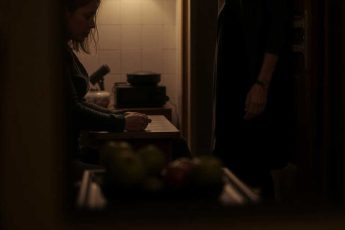
Returning home from school, I never encountered a warm dinner or a gentle inquiry about my day. Instead, her sharp voice rang out: “Do the dishes, tidy your room, finish your homework.” Tiredness? A desire to talk? These things didn’t count. My mother believed life was all about discipline and self-reliance. “I’m the only one supporting this family,” she’d tell me, “Learn to stand on your own.” Her words cut deep, forcing me to mature before my time. I dreamed of becoming an artist, of writing stories, but whenever I tried to share, I was met with a cold, “That won’t put food on the table. Study to become an accountant or lawyer.” My dreams withered under her gaze, and any plea for something more was met with a firm, “Be grateful you have a roof over your head and food to eat.”
Years passed. I grew up, found my own home, a job, and learned to live differently—with warmth, attention, and care. But when my mother aged and asked to live with me to avoid loneliness, old wounds resurfaced. Those years when I craved her love and support flashed before my eyes. So I decided: if she wanted to live with me, it would be under the same terms she imposed on me as a child.
I set aside a room for her in a distant corner of the house. “This will be comfortable for you,” I stated matter-of-factly, placing a simple bed, chair, and nightstand in the room. She looked at me with surprise but stayed silent. I soon outlined a schedule: fixed meal times, a list of household chores. “You can help with cleaning and laundry,” I added in the same even tone she once used with me. When she complained about back pain or fatigue, I echoed her words: “Be grateful you have a roof over your head and food to eat.” If she attempted personal conversations, I cut them short, citing busyness.
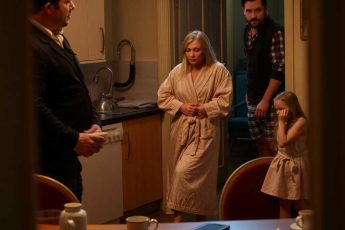
At first, she didn’t understand I was mirroring her past. She smiled, talking about how nice it was to be together. But soon, I noticed her eyes lost their sparkle, she became quieter, often retreating to her room. At night, I heard her sighs but didn’t go to her—remembering how I too lay in bed as a child, staring at the ceiling, hoping for a hint of warmth. After a few weeks, she hesitantly asked, “Am I a burden to you, Olivia?” I recalled asking the same question and, copying her intonation, replied, “We must all learn to be independent. We all need to live without others’ help.” I caught a glimpse of regret in her eyes. She began to realize her lessons were returning like a boomerang.
One evening, I found her in the kitchen, gazing at her wrinkled, frail hands, and she quietly said, “Forgive me. I wanted to make you strong, but I demanded too much.” I froze. Inside, resentment and pity fought. I wanted to prove my point, but looking at her worn face, I realized it had been hard for her too. Perhaps she didn’t know any other way to love.
That night, I brought two mugs of tea and sat opposite her. We talked for the first time in years—about life, the past, and my dreams that never came true. She listened without interrupting, and for the first time, I felt my words didn’t disappear into emptiness. From then on, things began to change. I maintained order in the house but added gentleness. We started spending time together not by schedule, but by choice. I realized her strictness had toughened me, but I found kindness on my own.
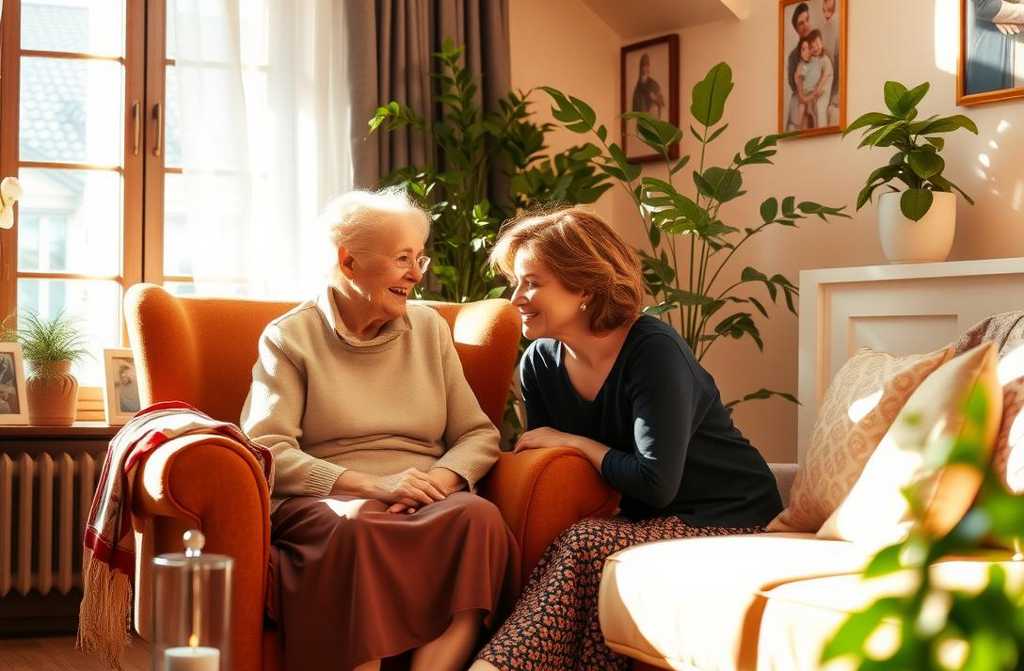
Now, I don’t regret bringing my mother into my home. Our story isn’t about revenge but about finding a path to forgiveness through years of hurt and disappointment. She gave me resilience, albeit a tough one, and I taught her warmth. We’ve both changed, and in this house, once ruled by chill, quiet conversations now occur, and the clinking of mugs on the table—signs of a new closeness born from old wounds.