
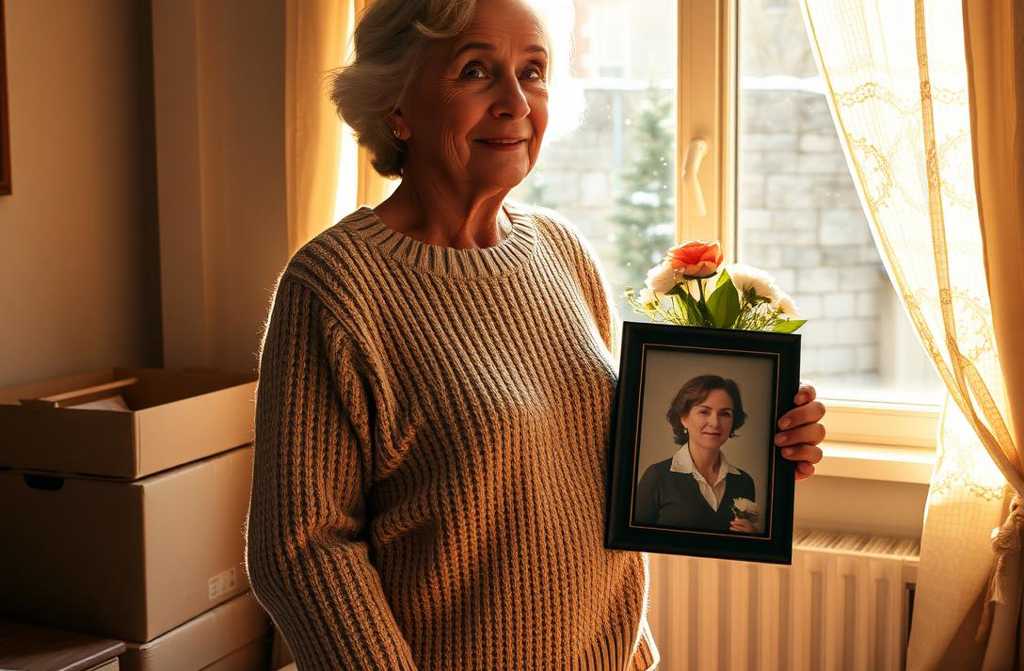
I never chased luxury. My life has been a series of compromises, hard work, silent sacrifices. I never asked much—not from fate, nor from people. All I ever truly wanted was for my daughter to be happy. To have a family, warmth, love. For that, I gave everything. Even when my heart shattered.
My name is Margaret, and I’m 57. My daughter, Emily, is all I have left. My husband died when she was eight. I was 32. James and I had only ten years together, but he became my entire world. His death split my life into “before” and “after.” From then on, I lived not for myself—but for her. Worked two jobs so she’d never want for anything, so she could study, dress well, dream.
Emily graduated university, landed a good job. Fell in love. Edward, her fiancé, seemed quiet, polite, a bit reserved—but “steady,” as she put it. I was overjoyed when they decided to marry. As wedding plans began, I wondered: where would they live?
My mother’s one-bedroom flat was too cramped. My two-bedroom in central London, though—spacious, warm, well-kept. So I made the choice: I’d move in with Mum, give the young couple my flat. I didn’t hesitate. This was my investment in their future. Leaving the home where I’d built my life with James ached, but I told myself: *For Emily… all for Emily.*
Before leaving, I freshened the flat with new paint and updated the fixtures. I couldn’t afford a full renovation, but it was tidy, welcoming. Emily herself said, “Mum, it’s really cosy here.” I believed her.
Then his mother arrived—Lydia Preston. A loud, domineering woman with an air of superiority. She declared bluntly:
“When will you modernise this place, Margaret? Young couples should start with something stylish!”
I explained the flat was perfectly livable, but she waved me off:
“Nonsense! The wallpaper’s ancient. The kitchen looks straight out of the ’80s. Who lives like this?”
Hurt, I asked:
“If it’s so inadequate, perhaps you’d contribute financially?”
She scoffed:
“Invest in someone else’s property? No, thank you.”
I stayed silent. Swallowed the bitterness—*for Emily*. Didn’t want to be *that* meddling mother-in-law. I moved to Mum’s, kept my distance, respected their space. Assumed they’d reach out if needed.
But they never did.
Before Christmas, I stocked up on groceries—extra to share with them. My arms trembled under the weight. My phone buried in my coat, I decided to drop by unannounced. *I’m her mother*, I thought. *What’s the harm?*
The door was unlocked. In the kitchen, Lydia sipped tea, flipping through recipe books beside a holiday menu. I froze.
“You’re… preparing already?” I asked.
She eyed me like a stranger:
“Didn’t you know? We’re hosting Christmas here—both families are invited…”
*Both families*. But not me. Not my mum.
I felt something snap. I’d given them my home. Left without complaint. Stayed quiet, unobtrusive. And in return? Excluded from their first Christmas together. Erased.
I left silently. Dropped the bags by the door and walked back through the snow. No one followed. No calls. Not even a question.
I don’t know how to live with this. How to forgive. How to smile when my heart’s in pieces. I gave my best. Everything I had. And got indifference in return. I don’t expect gratitude anymore—just not to be betrayed.
Tell me… would *you* forgive?





