**Coming Home**
In the creaky old house on the edge of the village of Willowbrook, nestled deep in the forests of Devon, the air smelled of dust and quiet hope. Eleanor, jolting along in a rickety bus down the pothole-ridden road, felt her stomach churn. Dust clogged her lungs, and her heart ached with loneliness. Why had she even agreed to this? Living alone in a countryside cottage, especially in her condition—utter madness. But the decision was made, and there was no turning back now.
Eleanor had been ill for three years. Her last doctor’s visit had offered a flicker of hope: the treatment was working, but no one could say for how long. “With your diagnosis, it’s unpredictable,” the physician had said flatly. Eleanor hadn’t argued. Life had lost its flavor long ago. She and her husband, William, still shared a roof, but they were strangers now. When illness had swallowed her whole, he’d only grown more distant—as if already scouting for a replacement to avoid ending up alone. Love had died years ago, and Eleanor had accepted it.
Then yesterday, something happened that changed everything. Dragging herself home from the hospital, exhausted and barely able to lift her feet, she’d stumbled into their cramped flat to find a drunken rabble. William, celebrating the start of his holiday, had invited his entire work crew. Thick cigarette smoke, raucous swearing, and the sour stench of booze clung to every corner. Eleanor had fled to the park, wandering for hours, only to return to a mess of empty bottles, rubbish, and her husband snoring on the sofa. That evening, groggily rousing himself, he reached for another pint. When Eleanor tried to speak, he’d cut her off with a snarl:
—This flat’s mine, innit? The factory gave it to *me*. I drink if I want, I celebrate if I want. And you—you’re nobody here!
“Who am I here?” Eleanor had thought, swallowing tears. Her job, modest and poorly paid, wasn’t worth clinging to. “I’ll quit tomorrow,” she decided. “And I’ll leave—for the village, for Dad’s old house. At least I’ll spend my days in peace, free from drunken shouting.”
The house greeted her with the scent of aged wood and dried herbs. Her heart twinged with memories. After her mother’s death, she’d only visited once—for the funeral. Yet the cottage looked cared for—probably the neighbors had kept an eye on it. The key, just as in childhood, still hid beneath the loose floorboard by the porch. The lock protested but gave way. Stepping inside, Eleanor inhaled the dusty air and whispered:
—Hello, home.
The floorboards creaked in reply, as if welcoming her back. She threw open the shutters, letting sunlight flood in, then changed and went to the well for water. There, she was met by the neighbor, Margaret.
—Eleanor, is that you? the woman gasped, clasping her hands. —You’ve come back! My Arthur’s been keeping an eye on the place—good thing too. ’Bout time you returned. Come over tonight, we’ll have supper!
Eleanor washed the windows, dusted every surface, and scrubbed the floors until they shone. The house came alive, breathing warmth again. Exhaustion weighed on her—her illness made itself known—but she lit the old stove to chase out the damp. That evening, over a simple meal at Margaret’s, she shared her troubles. The older woman listened, then shook her head.
—You did right coming back. You belong here, love. Willowbrook’s your home. And as for giving up—don’t! We need a postie at the village post office. Nice little rounds, pleasant walks. And go see Granny Prudence—she’ll give you herbs. Most ailments come from stress, you know. Here, you’ll have peace and fresh air.
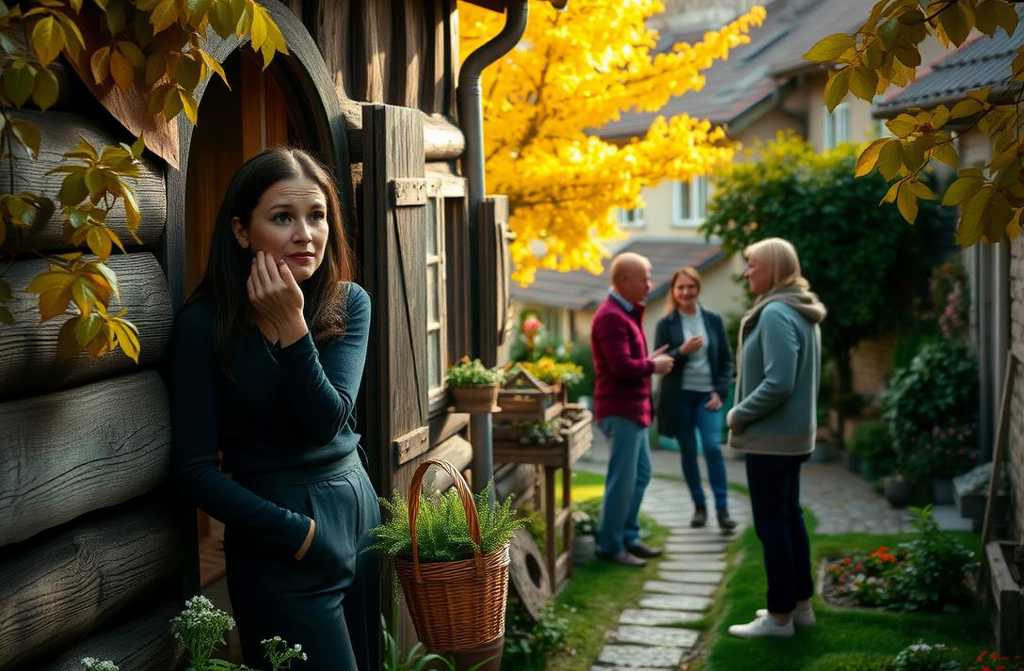
Eleanor fell asleep smiling, thinking of the kindness around her. In the morning, she woke with a strange energy—a will to live and create she hadn’t felt in years. After breakfast, she went to apply at the post office. A little extra coin never hurt, and idleness didn’t suit her. Walking the village lanes, she caught the glances of neighbors. Every one of them paused, smiled, and wished her well.
—Good morning! Eleanor replied, warmth blooming in her chest.
Summer faded into autumn. Delivering post became a joy—meandering through the village, popping into each garden, exchanging a word or two. The crisp, clean air filled her lungs. Eleanor felt a peace she’d never known in the city. Her cheeks grew rosy, her face fresh as a ripe apple. Granny Prudence’s herbal brews worked wonders: Eleanor slept soundly, ate heartily, and the weariness faded.
Her illness lifted. Eleanor spent many more years in Willowbrook, wrapped in the warmth of home and kind faces. Happiness, it turned out, didn’t need much—just quiet contentment, the comfort of old walls, and the sense of being needed. And the illness? Well, it *had* been nerves, hadn’t it? Just like all life’s troubles.