I Shall No Longer Live Another’s Life
Eleanor returned home late one evening, the lights of London already twinkling beyond the windows. Standing on the threshold, a bag in hand, she spoke with unexpected resolve:
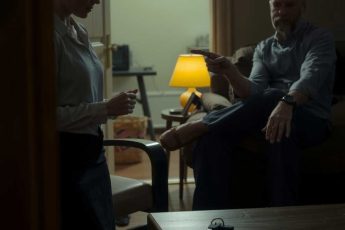
I want a divorce. You can keep the flat, but youll repay my share. I dont need it. Im leaving.
Her husband, William, sank into his chair, bewildered.
Where will you go? he asked, blinking in confusion.
Thats no longer your concern, she replied calmly, pulling a suitcase from the wardrobe. Ill stay with a friend in the countryside for a while. Well see after that.
He didnt understand what was happening. But sheshe had already made up her mind.
Three days earlier, the doctor had examined her results and said gently:
In your case, the prognosis isnt good. Eight months, at most With treatment, perhaps a year.
She had left the surgery as if in a daze. The city hummed, the sun shone. In her mind, one phrase circled endlessly: *Eight months I wont even see my next birthday.*
On a bench in Hyde Park, an old man sat beside her. He lingered in silence for a while, enjoying the autumn sunlight, then spoke without warning:
I want my last day to be sunny. I dont expect much now, but a ray of sunshinethats a gift. Dont you think?
I might, if I knew it were my last year, she murmured.
Then dont put anything off. I had so many *later*s, I couldve filled another lifetime with them. But it never worked.
Eleanor listenedand understood. Her whole life had been for others. A job she despised but kept for security. A husband who had become a stranger over ten yearsinfidelities, coldness, indifference. A daughter who only called to ask for money or a favour. And for herself? Nothing. No new shoes, no holidays, not even a quiet coffee alone.
She had saved everything for *later*. Now, that *later* might never come. Something inside her shattered. She went home and, for the first time in her life, said *no*to everything, all at once.
The next day, Eleanor requested leave, withdrew her savings, and left. Her husband tried to make sense of it; her daughter rang to demand answersshe replied to each with quiet determination: *No.*
At her friends cottage in the countryside, all was peaceful. Wrapped in a blanket, she pondered: was this truly how it would end? She hadnt lived. She had survived. For others. Now, it would be for herself.
A week later, Eleanor flew to Cornwall. There, in a seaside café, she met Henrya writer, clever and kind. They spoke of books, of people, of lifes meaning. For the first time in years, she laughed freely, without worrying what anyone thought.
What if we stayed here? he suggested one day. I can write anywhere. And youyoud be my muse. I love you, Eleanor.
She nodded. Why not? She had so little time left. So let there be happinesseven if fleeting.
Two months passed. She felt wonderfully alive. She laughed, walked along the shore, made coffee in the mornings, invented stories for the neighbours. Her daughter protested at first, then gave up. Her husband transferred her share. Everything settled.
Then one morning, the phone rang.
Eleanor Whitmore? A nervous voice asked. Forgive me, theres been a mistake those results werent yours. Youre perfectly well. Its just exhaustion.
She paused, then laughedloud, unrestrained.
Thank you, doctor. Youve just given me back my life.
She glanced at Henry, still asleep, and went to the kitchen to make coffee. Because now she didnt have eight monthsshe had a lifetime.