
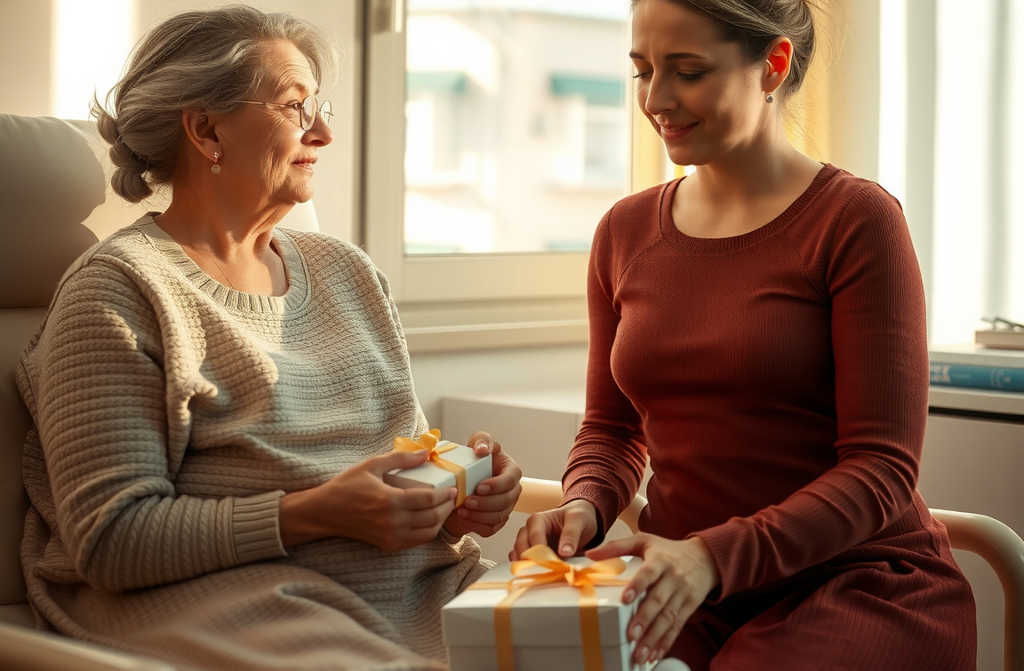
The Stone Woman
Helen Fitzgerald was brought in by ambulance after she was found collapsed in the rain-soaked, freezing slush on a busy London street. She simply didnt have the strength to get up. The paramedics lifted her gently into the ambulance and brought her to Admissions.
She was a large, stately woman in a tailored trouser suit and kitten-heeled boots. Her makeup was tidy, accentuating her prominent eyes and full lips, heavy gemstone earrings dangling from her ears. She sat upright in the wheelchair, her leather handbag clutched on her knees. Helen flatly refused to lie on the stretcher. When she came to, she scolded the ambulance driver for reeking of tobacco and chided the paramedic for dawdling, sharply telling the young trainee not to lay a finger on her.
Wouldnt want to! grumbled the boy, sulkily turning away.
Dont get fresh with me, young man! Helen barked, pushing herself further back in the wheelchair, like an indignant old owl. She gathered her bag closer to her chest, hunched her shoulders, and surveyed the hospital with the sharp scrutiny of a secret inspector, drawing her thin brows together above a face that looked roughly chiselled from granite. Tiny capillaries mapped her skin beneath a thick layer of foundation, which had started to cake and crack in the damp heat after her injection. Lets not dawdle. I cant be left sitting here, theres a dreadful draft! she declared, nodding at the packed corridor.
The woman behind reception peered over her spectacles at Helen, who sat enveloped in a rich fur coat that swept right down to her ankles. Snatching the papers from the paramedic, the receptionist pronounced that Mrs. Fitzgerald was now their responsibility, and the ambulance crew could leave.
Hypertensive crisis, lost consciousness in the street. No head injuries Blood pressure currently the trainee reported in his blue uniform.
Fine, James, off you go! We need the space, the nurse said, patting the boys shoulder. He looked a lot like hermust be her son.
Always need to help the family along, Helen thought reflexively.
Her head throbbed terribly. Her arms kept slipping limply into her lap, threatening to drop the pricey, branded handbag. There would be no hauling it back up if it fellnot with her strength ebbing like this. Speaking even felt like a chore, tongue dry and heavy, glued to the roof of her mouth. She desperately wanted water.
Could I have some water, please? she requested loudly and precisely, addressing no one in particular.
No one heard her. All around her, relatives jostled gurneys and wheelchairs, trying to comfort, question, or prod their loved ones back awake. Doctors darted past, skirted obstacles and checked their stethoscopes, reading medical notes on the hop, shouting instructions from inside examination rooms. Nurses bustled about their essential worknone of it seemed to involve Helen Fitzgerald.
Wheres Brown? Brown, anyone? called one of the nurses, which Helen had dubbed the medics in her head.
Im here, Helen replied, louder the next time. Im here!
Right, heres a sample pot, loos over there. Then bloods. And take off that hat! This isnt the North Pole.
Helen realised she was still wearing her furry hatvery like the one in The Snowman, her favourite Christmas film. No wonder her scalp was on fire and sweat ran in rivulets down her forehead.
Reluctantly, she peeled off the hat, wondering where to stash it so it wouldnt fall. Her large leather handbagItalian, of coursewas already filled with folders and papers. Helen never intended to stay long: shed sort herself out and be discharged sharpish. No time to lie about, not for Helen Fitzgerald, director of a major double-glazing firm. She had orders awaiting, clients to placate!
The nurse plonked the sample pot onto Helens lap.
Helen Fitzgerald. Big woman. Shed always been large: a big baby, big child, strapping teen. Oh, shes a solid one! neighbours would comment as her mother carried toddler Helen to the GPs. What enormous feet! the shoe shop assistants would gasp as Helen outgrew her school shoes.
Next to her, even her mother seemed a Thumbelina. Helens size came from her father, tall as a house, lost to cancer when she was eight.
Helen was always awkward about her size. At nursery, she loomed over the other children who shuffled away, convinced she was odd. School wasnt much kinder. She only felt at home in sports, which she joined by chanceher mother struck up a brief romance with a coach and enrolled Helen in athletics to buy themselves some peace in the evenings. Discus, shot-putHelen found her people. She was goodsomeone had to be. She got injured occasionally, a twinge in her shoulder would act up in the cold, but she was pleased to succeed at something. Later, after a foolish romance, a few heartbreaks, and burying her mother, she forged herself into a woman that made heads turn in silencea feat to behold.
Helen started in housing management, bossing repairmen, managing renovations, then retrained when Thatchers reforms swept the country and companies popped up like weeds. She and her lot did jobs all across construction sites. People often mistook her for a man at first glanceher size helped her deal with thatbut once they got to know her, no one let harm come to her. She was strict, sometimes even harsh, hated idle gossip or boozy nights, but she was one of the lads. In the end, just The Stone Woman, the unflappable type.
Her firmWindows on the World Ltd.was born. She took to managing windows as if born for it, sorted out the tricky stuff, earned the respect of suppliers and clients alike.
She wasnt warm with staffno endless kipper teas or birthday cakebut they trusted her like a brick wall. As managing director, she actively intervened in her teams lives, running their health checks, arranging group meals out, praising or scolding as needed, personally organising Christmas gifts (shed never, ever play Snow Maiden, not with her build), staying on top of everything, down to her secretary Alices pregnancy test before Alice even bought it. Helen was providing support and quietly choosing the right private clinic for her.
She knew about marriage rows, kids not making it to uni, sudden visits from country cousinsHelen ordered groceries for those, dialled up old contacts in sixth forms for the others. Life taught her to defend herselfand then others, especially the ones who never quite managed to stay afloat. She had no close friends. It was easier: less chance the world would fall apart if someone whispered Beanpole behind her back.
She made no mistakes, dodged no subject, dealt in blunt truth with long-term gains in mind. Sack someone? Shed always have a backup lined up, subtly, so when they cursed her after, at least they had choicesher own conscience clear.
A tyrant? No, more like a steam engine rolling unswervingly toward a brighter future. God help you if you stood in her pathshed flatten you without even a whistle. After all, she had her carriage to look after, her son, Peter. For him, she worked even harder.
Most who couldnt keep up with her style moved on. But in an age of mass layoffs and fearsome competition with eager young graduates, Helens team became her backboneloyal and steadfast.
Now they were her anchorher only hope to keep the business running while she lay in hospital, praying they wouldnt lose the current deals.
Whats this? I cant, I wont! Helen recoiled from the sample pot. Im having a hypertensive crisis, for Gods sake. I need a bed! Can anyone here read?
Oh, dont fuss, love! piped up a scruffy man with a bandaged head, perched on the waiting bench. He picked up the pot, turned it over in his hands. Want me to do your sample for you? Only for your hat in payment. I love a big girl!
Help yourself, mate! Helen retorted, wheeling herself away from him until her chair crunched against the plaster of the wall, leaving two small dents.
Oi, woman! What are you doing? We only just got these walls painted, a staff member scolded, badge pinned to her pocket, surveying the dent. Sophie, whose is she? Where is she going?
Im not anyones. Im leaving. Whats the address of this nuthouse? Helen grumbled, awkwardly hauling herself to her feet. I need a cab. Phone where?
Where are you rushing off to? Sit down, please, a doctor will see you soon. Just rest; youll be fine, said the same woman, now in a gentler tone.
Helen was already phoning.
Peter? Anna, put my son on! she barked sharply into her mobile. Yes, its important. Im in hospital. Ive urgent meetings tomorrow. I need Peter.
She wasnt bossy by nature, though she could make you quake if she raised her voicebut she preferred to lay things out crisply, so people realised instantly when it was serious. Then she told them what she needed.
Anna, her daughter-in-law, shuffled off to the bathroom, knocked. Her husband called out from the shower.
Its your mum on the phone. Shes at the hospital.
What? Wait, Ill be out in ten! Peter called, water running again.
Did he really not hear his wife? Of course he did. If his mum was ringing, she must still be alive and lucid; ten minutes wouldn’t matter. Let her wait.
Peter had spent so many years waiting for his mummorning to night, hoping shed come collect him.
His mother always had business, always working; she called it the company now. Theyd moved house thanks to her double glazing firm. Helen replaced the old windows at his school as a donation, helped friends with their garden sheds and guest cottages because she knew all the right builders. She cast a wide netshe was in charge, signing contracts, sacking suppliers, running the show. Only the little fish with the spiky name, Peter, always seemed to be in a different tank.
She never smacked him, never yelled. She came home, checked his homework, nodded if it was good, sharpened her pencil to correct his mistakes if it wasnt, and nodded him off to his room if he didnt get it right. To perfection, shed say. Afterwards, shed dryly explain how important it was to study, strive, work on yourself.
But she never once whispered she loved him, never called him her precious, or told him she loved him just because he was her son. Not once.
She didnt love him. Not really. Peter had settled on that by nineteen. Yes, thanks to her connections, he got through his exams, didnt have to work part-time; shed paved his way. But wasnt that a mothers duty? He hadnt asked to be bornif she had him, putting him on his feet was her job. Unless there was a real crisis, just let him be. But a hospital? That was nothing, hardly worth bothering about.
Helen heard Anna mumble that Peter would call back in ten minutes.
Helen Fitzgerald, are you alright? Anna asked. Can I help?
Helen cut her off and hung up. Now, if anyone asked, Are you with anyone? she could honestly say no. Her own woman, nobodys responsibility. Her son would call when he saw fit, her daughter-in-law snapped gum and probably feared being shackled, care-giver to her large, immovable mother-in-law. Alone. But that was easier.
Helen tried to stand, but as she leaned against the wall, her chair slid away and her legs gave out beneath her. She crumpled to the floor, the cursed sample pot skittering across the tiles, and her expensive leather bag spilled open. Her furry hat slid under her cheek as she lay there, oddly cushioning her face.
Oh, bloody hell gasped the scruffy man, rushing to help Helen upand not forgetting to slip her purse and amber ring into his own pocket as he did.
He reminded her of someonejust barely, a half-remembered face But she couldnt quite put her finger on it.
Helen felt nothing, her breath a rasping croak, her head lolling to the side as a voice echoed repetitively in her mind, Please keep to the right side, keep to the right
Normally Helen commuted to her companys offices by car, though she never drove herselfshe couldnt bear to watch the road or mind the traffic. She preferred to read memos, phone clients, or simply gaze out as London flashed by. Her driver, Ronald, showed up every morning at half seven, opening the door for the Stone Woman, straightening her coat, then hopping in himself, setting the car stereo to Classic FM as they pulled out. He never complained, making full use of the advantages of having a well-connected bossbetter medicine for his ill wife, prime groceries, bonus after bonus. And when necessary, Helen might rouse him at two a.m., ordering him to Heathrow to catch an urgent flight for business in Manchester or Liverpool. Ronald gave his snoring wife a kiss and hurried out. Helen would thank him, apologies crisp but sincereit was the polite, proper thing.
That morning, Ronald had barely reached her flats courtyard when a bin lorry reversed and crumpled his bumper.
Best call a cab, Mrs. Fitzgerald. Talk about bad luck! Ronald lamented.
No, Ill take the Tube, Helen insisted, adjusting her fur hat, despite feeling unwell even at breakfast. Was she frightened by the crash? A little, yes, but she kept her composure. Money could fix these irritations. You sort it all out here; bring me the paperwork for repairs.
And so she set off, like a large russet-grey cloud, towards Westminster station. Passers-by moved aside as she bore downher sheer presence parting the crowd. She could have played a film giantess without any special effects
The Tube was stifling, flows of commuters bottlenecking and moving again with each train. Keep to the right! repeated the station tannoy as Helen followed the Victoria line signs, sticking to the correct side to avoid being trampled by stampeding students. Everyone was rushing about their own day beginning
Now, for her, the day was ending. After all the bustle in Admissions, after tests and injections and whining devices, she was finally settled in a ward, eased onto the bed, covered with a hospital sheet. Even as she slipped from consciousness, all she could hear was, Hold on hold on
The ward was dark and smelled of perfume, medicine, and, inexplicably, vanilla biscuits. Helen loved those too, though she hardly ever ate them.
Her bed was on the third floor; she couldnt see the high street, jammed with cars, lit up bright as a Christmas garland.
Oh, she remembered buying a garland just like that one year, from Hamleys. Shed fetched Peter from nursery; he was alone on the cloakroom bench, his teacher already pulling on her coat.
Well then, Peter, your mums here! See, nothing to be afraid of, she said cheerily.
Peter quickly wiped his tears on his sleeve as he dressed himself in his favourite red snowsuit. He pretended indifference to his clothes, just to annoy herthe little ways children try to get their own back. He resented her for all sorts of things. Other kids had dads and warm, unhurried mothers in wool skirts and sensible boots, who crouched to button up their little ones and kissed them before heading home.
Helen, though, just stood tall, calm, waiting for him to dressnever helping, never criticising, simply watching.
Whats in the box? Peter asked as they hurried home.
Its a garland for the tree! Helen finally sounded almost excited, and Peter marvelled at this side of his mother. She was almost like other mums.
All the way home, Peter pictured the little bulbs glittering on the spindly artificial tree. He was determined to boast about it. But when they got back and plugged it in, the garland was dead. Thered be no sparkly magic after all. His mother quickly coiled the wire back in the box. Lets have tea. Ive ironing to do, she said. Two days later, she brought the fixed garland home, but Peter was off school sick, and never bragged about it in the end.
Now it seemed someone vast, unknown, was stringing a giant garland over all the roads, plugging it into peoples hearts, sending the current humming through. Everyones little light shining, blinking from afarbut somewhere, Helens own lamp seemed to have fizzled out.
The door opened and a tiny nurse in a pink uniform paused by Helens bed.
Dont open your eyes, please, Im just going to gently remove your mascara. It might sting otherwise. The nurse began dabbing Helens cheeks with a soft, damp pad.
Helen lay motionless, bewildered at the odd rush of pleasurethe cold cotton, the nurses quiet reassurance. It reminded her suddenly of her mother, gone now, buried in Sussex. Helen had paid some workmen to repaint the railings round the grave last year, had sown forget-me-nots there, not knowing if it was too late in the seasonjust scattering the seeds generously, as ever.
Shall we cover them over, Miss? Or the pigeonsll eat the lot, the decorators asked, clearly angling for more money.
Helen had only nodded, handed them a couple of tenners, and left. Let them scatter their clay, who cared? Spring was a long way off. She might not live to see it herself.
When shed been poorly as a child, her mum used to wipe her face with a soft, cool flannel, scented with clean washing and cold air. Just like this.
You dont need to bother, Helen muttered, turning away.
Its no bother, you need to rest, replied the nurse softly. Let me help. There we go. Lets do your hair next
The nurse gently lifted Helens head to fix her hair, removing the pins.
Ill pay you, Helen said, reaching instinctively for her bag. My purse I cant find it
She gave a strangled little sob.
It was the second time shed been robbed. The first, years ago on the London Undergrounda man jostling behind her, drunk or just tired, she hadnt even turned to look at him. She only noticed her bag was slashed and purse gone when she tried to buy a paper at the kiosk. Gone, too, was a tiny photo of Peter and a lucky American penny given by a colleague. Shed sat on a bench and cried, this hulking woman, shoulders heaving quietly at the loss.
Shame she whispered, brushing away tearsnot for money, there was little there, but for the bag. Her first posh one, matching wallet, so proud. Now both would need repaira scar, now, for her bag and her soul.
She missed them again now. Probably that man earlier had taken them in Admissions.
I dont need payment. Rest, and Ill fetch the blood pressure kit, said the nurse. She left; Helen drifted into a caramel-thick sleep.
Meanwhile, Peter, fresh from his shower, forgot all about his mother. Anna called a couple of times more, getting no response.
Somethings wrong, Petering her office, she urged, but Peter waved her away. Mum always has everything sortedshes probably booked a private ambulance and an ICU bed already. Leave it, Anna.
He sprawled on the sofa with his laptop, watching football on the massive flat-screen Helen had bought. Good telly, thanks to Mum! he laughed, swigging lager and shovelling peanuts.
Anna, rubbing her shoulder, slipped quietly out to try Helens number once again.
Her mother-in-laws care was practical, never sentimentalnew double glazing (how could my son not have the best windows?), a new bathroom, a car for Peter, gym membership for Anna. Helen just called up, said they were going shopping, and picked the best for them. Anna was thrown at first, protesting, but soon gave in and decided shed save up and pay Helen back, one day.
That was how Helen showed lovedoing, fixing, buying toys, signing Peter up for sports, new furniture, holidays at the seaside camp (never with her, always arranged). Helen sorted out repairs at Peters primary, had builders in for him, even tried her hand at welding when the mens strikes threatened to stop workher huge frame leading the charge. She even arranged swimming lessons. Why did she do it all? She loved Peter fiercely, though he never saw it that way. If buying things bought his love, so be itshe only wanted to give him what shed never had.
When Peter told her he was marrying Anna, Helen was thrownwasnt it only yesterday she was buying him Hot Wheels? They had the wedding the kids wantedbut in a good restaurant, the dress Anna wanted, from the shop Helen picked out. Anna tried to get close; Helen was always withdrawnthe stone woman, too busy with plans, meetings, complaints, contracts, court hearings. Shed hitched herself up to the business and would not be distracted.
Anna finally got through to the hospital and was told she could visit in the morning, to bring something comfortable and warm for Helen.
Peter had already stretched out with a computer game. Anna thought of telling Helen she wanted a divorce, but decided not to yet.
That night, Helen lay facing the wall, quietly crying for reasons she herself didnt understand.
The next day her stolen purse and ring were returned.
The man who took these is dead now, heart attack. Nicholas Burgessthats his name, said the policewoman.
Helen nodded, at last recalling who he reminded her ofNick Burgess, the champion athlete in their sports club, the one who once promised her the world, lied to her face. She believed, and hed left. Now, he was gone. She was still here.
She wasnt stone at all, just a living womanone whod forgotten how to breathe simply and freely.
Now things would change. There was Catherine, Zina, Annaher silly, dear daughter-in-lawand work, and spring coming, the forget-me-nots she needed to plant, the thousands of small problems only Helen could untangle. She even had a grandson on the wayshed seen his tiny image on a scan.
Anna, dont expect anything from him, Helen once confided. Love him anyway. Tell him, always. I never did, and I regret it. A woman has to love someone, or she turns to stone.
Anna nodded. No, Helen Fitzgerald wasnt made of stone at allshe was strong, yes, monumental, but heartbreakingly tender. And, when she had come into this world, she had wailed in a deep roar that greeted it with all her force.





