
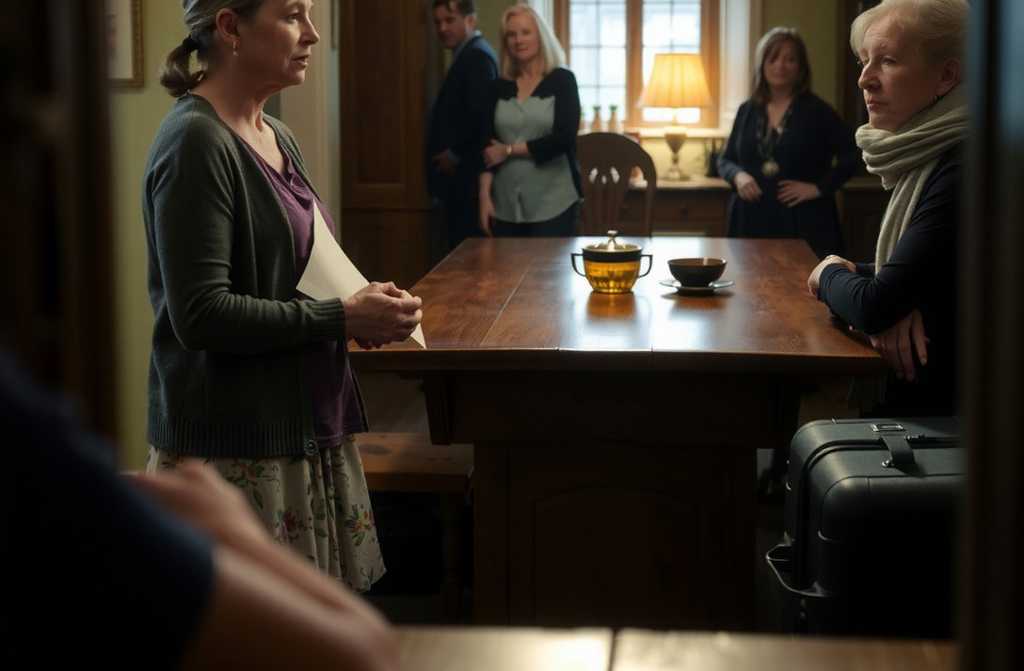
Paid Friendship
Just imagine, what luck! Janes voice crackled down the line, warm but with that little ache it always carried, somewhere under your ribs. A cottage, a proper garden, fresh country air. Were so tired, Liz. You cant even picture it.
Liz could picture it, actually. She was always good at imagining other peoples weariness, other peoples needs and wants. Her own seemed to step back, politely, then recede altogether, becoming quiet as if theyd given up trying.
Of course you should come, she said. Id love that.
And it was true. In that moment, it was the absolute truthnot a flicker of resentment. She genuinely wanted to share. Shed poured so much of herself into that country cottage, weathered so much alone there, that the place felt not just like a patch of ground and a few walls, but something livingbreathing, almost kin. She wanted to show someone that life. To give it away for a while. To share.
Thats what happens, I think, to people whove weathered hardships and made it throughunbroken. They want to give. It somehow feels like this love theyve managed to feel for themselves has grown enough to spill over and reach others. Its not naivety. Its subtler than thata hope that other people are built the same way.
Liz Martin, fifty-six, retired English teacher, divorced for two and a half years after twenty-three years of marriage, owner of a small two-bed flat in Reading and a cottage on the edge of the Chilterns, about twenty miles out, in a village called Applewickthats her profile, if you like. But paper profiles dont tell you how pine boards smell when youve painted them yourself, or the feeling of fixing the shed roof on a breezy September day, realising for the first time in years youre not afraid on your own. They dont capture your calloused hands, those little tokens of new skills, or the quiet pride that you can light a fire with just one match.
Shed ended up with the cottage almost by accident when she and her ex divided things. He hadnt the patience for it: Its a wreck, Liz. The lands boggy, the house is falling down. She took itnot out of stubbornness, but because she sensed something she couldnt name yet.
Later it came clearit was hers. Properly hers. Maybe for the first time.
For two and a half years, shed given to that place what she once poured into her family: money, time, care, imagination. Shed redone the floors, put in new windows, bought a little blue-and-white tiled wood stove, started a veg patch, planted blackcurrants, gooseberries, three apple trees. Fixed the old shed out back, put up shelves, hung bunches of dried mint and thyme. Turned a broom cupboard into a book-nook, with shelves to the ceiling and a battered old wicker chair by the window. Got the plumbing in. Learned how to keep it all going.
By the third summer, Applewick cottage wasnt a wreck any more. It was a place where she really relaxed, morning tea on the veranda with the sparrows for company, candlelit evenings reading till the dark settled, sleeping without pills for the first time in years.
She never splashed this about on Facebook. Never paraded photos. But when Jane rang up needing rest and fresh air, Liz pictured herself opening the garden gate, showing off the apple trees, sitting by the stove with someoneand it felt right.
Jane Parker. Fifty-four. Theyd been friends since teacher trainingthree decades or more. Jane taught geography in the same secondary where Liz handled English, then married, left teaching, became a home-maker. Janes husband, Alan, dabbled in different venturesLiz never bothered with details. They lived in a house in Tidmarsh, kept a spaniel, went to Spain or Cyprus every year. Jane often said she was tired. Often asked for help. Liz often gave it. That was their friendship, really, though Liz never labelled it so.
This time, along with Jane and Alan, she brought two othersher idea. More the merrier! she said. They were old colleagues: Ruth Mason and her husband Dave. Ruth, fifty-eight, ex-physics teacher, always immaculate, hair smooth and pinned back. Dave worked in a garage. Liz knew Ruth a little, not well. Jane insisted Ruth was one of us and theyd all have a great weekend together, four plus the hostess.
Four plus the hostess. The phrase brushed past Liz, untroubled. She didnt notice it at the time.
She spent days preparing. Shopping for five, planning the food, buying decent tea, two sorts of coffee, cream in charming little glass bottlesher favourite. Fished out old tablecloths, washed and pressed them. Fresh linen in both spare rooms, throws folded at the end of the beds. She stacked the woodshed with birch logs for the garden sauna, readied a fresh birch broom, left it soaking. Picked flowers, arranged them on the table in a jug.
Friday morning she baked a cabbage pie. Made a cold beetroot soup for the fridge. Fried up homemade burgers with onions. Tossed up a salad of baby cucumbers and radishes. Set out all the food on the veranda, covered with tea towels. The house smelt like woodsmoke, fresh dough, mint.
They arrived about four, nearly an hour late. Jane and Alan in theirs, Ruth and Dave in theirs. Both cars pulling up together, neat as a public-school run. Liz opened the garden gate, smiling, started her welcome, but Alan cut across her straight awayscanned the garden, said, Not bad. Didnt expect it to be this nice.
Jane kissed both her cheeks, smelling of expensive perfume. Ruth nodded, asked straight off where to wash her hands. Dave said nothing, wandered the garden like he was sizing up a semi to buy.
Bags came from the cars. Liz eyed one hopefullythinking maybe her guests had brought something for lunch. But no. Ruths big bag was packed with her clothes, Janes suitcase, Alans rucksack. Dave lugged something in newspaperLiz hoped for fish, maybe cheese? Turned out to be toolsno idea why, since he never used them all weekend.
Jane rummaged in her bag, brought out a bottle. Cheap sparkling wine, supermarket specialthree-for-the-price-of-two job. With theatrical care, she handed it to Liz.
For the table!
Liz thanked her, set the bottle at the end of the tablewell away from the flowers.
Beds sorted quickly and unasked. Jane and Alan took the room with the bigger bed and garden view. Ruth and Dave took the other. Lizs own little room, where shed slept every summer, was left to her. Nobody asked if that was alright. Nobody suggested splitting up differently.
That was the first pricknot painful, but there, like a pebble in a soft shoe.
Dinner was boisterous. Alan talked a lot, Jane laughed, tossing her head back. Ruth ate quietlycleared her plate twice though. Dave snatched up every last burger before asking if there were any more. They did praise the soup, polished off the pie. Jane popped her own bottle, poured it in tumblersthe wine glasses were, apparently, in the wrong cupboardand toasted, To a proper break!
Then Alan, without a word, rifled the sideboard for something stronger. Found a bottle of damson liqueur that Liz had made herself the previous autumn, which shed meant to keep. Jane clocked itOh, how perfect. Liz could only watch as drinks were poured. The entire bottle went, gone in a night.
No one helped with the washing up. Jane yawned, said she was knackered from the journey. Ruth agreed. The men sloped off outside, chatting. Liz cleared the table, washed the dishes, took the rubbish out. She flicked off the kitchen light. The house was quiether guests had all vanished to their rooms.
She stood at the veranda window. Outside, the apple trees were silhouetted in twilight, the frogs beginning their chorus by the pond.
Something heavy balled up insidea soaked skein of wool. Still, it must just be tiredness, she told herself. The first days always a bit of a muddle. Tomorrow everyone will settle, itll all feel normal.
On Saturday Liz was up by half six, as ever. Dew on the grass, apple trees lost in morning mist, standing regally as trees do at dawn. She hauled a bucket to water the veg, lit the stove, set the kettle on, sliced bread and cheese, set out her own homemade jamblueberry and apricotcooked porridge with apple, just as she likes it.
Guests didnt emerge till nearly ten. Alan was first, in joggers and a vest, straight to the tea. Sat down, scanned the spread, asked if there were any eggs. Liz boiled some for him. Jane next, then Ruth and Daveeveryone ate, left the plates. Jane said she fancied a walk down to the river shed spotted on the way in. Alan wanted to laze about. Ruth and Dave joined him.
Liz asked for a hand tidying up. Jane said, Oh, absolutely, in a bitwell do it once weve sat down for a moment.
A moment dragged on till lunch. They sat on the veranda, phones in hand, men playing cards. Jane flicked through her phone, showed Ruth memes, laughed. Liz made lunchnew potato soup with dill and crème fraîche, sautéed mushrooms shed foraged and dried herself, cucumber salad, currant squash. When she rang the bell, they all flocked in, ate greedily, praised it all.
Youre a lovely cook, Ruth ventured, turning to Liz properly for the first time, Thats so rare these days.
Oh, shes always been like that, Jane confirmed, a hint of patronising fondness, as if discussing a harmless hobby.
After lunch, Liz hoped to lounge in her deckchair by the apple trees and read. Alan had bagged the chair, sleeping under a newspaper. Liz took out a folding chair, set herself by the fence, managed half a page. Jane called her over to help find old magazines in the shed. Ruth asked for bug spray. Dave announced the hose for watering was leaking, told Liz solemnly as a maintenance man giving a status report.
Liz fixed the hose, found the bug spray. Helped Jane dig through stacks of magazinesnever clear why she wanted them. When she finally got back to her chair, her book was on the ground, cover torn by the wind.
That evening she fired up the garden sauna. The birch logs were specialshed stacked them out of the weather since April, splitting them herself. The men buggered off to next door (Big Mick who kept chickens), only reappearing after an hour, by which time the sauna was ready.
Everyone used it. Alan hogged the steam room, sloshed the scent-oil around til there was little left. Jane ordered this towel, that shampoo, another birch broom (the first too rough, apparently). Ruth kept asking for a drink. Liz fetched mugs of ginger beer.
When finally theyd all finished, she crept in last. The water was only warm by then, the coals dulled, but she sat on the wooden bench in the half-light, watching the embers. Inside she felt nothingneither good nor badjust still, as you do when the energys spent and no new energy has landed yet.
She washed quickly. Changed. Came inside. The kitchen was a disaster. Someone had clumsily hacked at the remains of a loaf, left crumbs everywhere. Mugs were stacked like tiles in the sink. On the table, her treasured coffeebrought from a tiny shop in the farmers’ marketwas open, spilt, the measuring spoon missing.
She tidied, swept up crumbs, washed mugs, put the coffee away deep in the cupboard.
The knot inside grew, a bit denser. Still, she told herself, it was fine. The point of a break was to relax, not to fuss. She repeated it to herself, the way she once repeated Martins just tired, he doesnt mean it, you have to be understanding.
Good woman syndrome. Shed read that phrase in a womens magazine, thought it about other people. Standing at the kitchen sink that Saturday night, she wondered if maybe, just maybe, it fit her too.
Next morning, Sunday, she woke before dawn, not by choice. Lay in bed, listening to Alans snoring in the next room, floorboards creaking as someone headed down to the loo. The house shed come to think of as peaceful was full of strangers, and their presence felt not like joy, but weight.
She stole outside while it was still dark. The east sky barely smudged grey. No dewthe night was warm. She sat on her favourite bench by the Discovery apple tree. Watched the world slowly lighten. Listened for that fullness, that peace she usually felt at sunrise. Not today.
Back inside she did breakfast in earnest: pancakes, curd and cream, raspberry jam, eggs with tomato. She wanted it lovelytable properly set.
As she was flipping pancakes, Dave wandered in, yawning, eyed the pan. I dont do pancakes, he announced, Any chance of some eggs with sausage instead? No sausages. Alright, eggs with whatevers knocking about.
Liz did him eggs.
Next came Ruth, asking for strong coffee. Liz made it, handed it over. Not a word of thanks, Ruth vanished to the veranda with her phone.
Jane was last, nearly eleven, delighted by the pancakes, called Alan in, and they sat chatting for ages about all the things theyd like to do before heading back.
Liz, is there a chance for another go in the sauna? Jane chirped, slathering jam on a pancake. It was just brilliant last night.
Almost out of wood, said Liz, keeping her tone even.
Oh but just enough to heat it up, surely?
She did have wood, but she didnt heat the sauna again.
After breakfast, she headed to the veggie patchcarrots needed weeding, proper work. The earth was warm, peppery with July scents. Liz weeded in a rhythm, thinking about nothing much, just watching her thoughts drift like the clouds overhead.
The day idled away. She cooked, tidied, fetched and carried. Her guests were excellent at relaxinglying around came naturally to them, without effort. Alan napped. Dave got the cards out again, this time playing patience. Ruth scrolled her phone. Jane called Liz over to sit and chat a few timesbut it always spiraled back to Janes world: her own life, her own people, all stories Liz only half-knew. All Liz could do was listen, nodding now and then.
Boundaries in friendship. Another phrase shed spotted in a magazine, not sure what it looked like in practice. Was she meant to walk off mid-chat? Flatly say no? Any direct no sounded impossibly rude, like a severing of ties. Surely, if she said, I just want to be on my own now, everything would collapse.
It wouldnt, of course. But Liz hadnt quite learned that yet. Tomorrow, perhaps, she would.
After dinner her guests staked out the swinging bench at the end of the gardenan old wooden swing shed built with Mick next door last summer, driven posts into the ground, fixed up the seat and canopy. She always sat there at sunset. Tonight Jane and Ruth claimed it. The men disappeared to Micks againsomething to do with fixing a light in the shed. Liz washed dinner things, wiped the table, swept the floor, took out the rubbish. She did her usual rounds: checked the greenhouse shut, lights off. Grabbed a throw and was heading to sit out on the porch.
The swing was across the lawn by the gooseberries, a good fifteen paces from the porch. In the dusk the voices floated oversoft, but clear since the evening was windless.
Sorted ourselves nicely here, Ruths dry voice remarked.
Told you, Jane answered, content.
She wont mind that we didnt really bring anything?
A pause. The swing creaked.
Nah, she loves it. Shes on her own, you know? Folks like that they need to feel useful, needed, or else nobody would visit at all.
Ruth murmured something; Jane snorteda gentle, knowing laugh.
Oh, come on, Jane said. She invited us, set everything out herself. If wed gone to a B&B itd have cost a fortune! Here its all in, and for nothing. I said in winter we ought to come, if shed done up the cottage.
Another pause, another swing of the bench. Then Ruth, quite clear:
I do feel a bit sorry for her.
Yeah, Jane agreed. A bit. But what can you do?
Liz stood on the porch, throw in her hands, still as stone. Some cricket under the steps started up, then stopped, as if it was listening too.
What she felt wasnt tears. Or angerwell, not the searing kind shed known before. This was colder, harder. Like something liquid inside froze solid, all at once.
Quietly, she turned back inside, shut the door without a squeak, hung the throw on its hook, went to the kitchen, flicked on the little lamp. Found her notebook and a pencil.
Recovery after divorceshe thought shed got there, had learned to see people without illusions. Seems not quite yet.
But thats manageable.
She opened her notebook on a blank page, methodically began her list, like an old teacher marking on the board, neat and precise.
Groceries. She wrote down everything shed bought the Friday before: the mince for burgers, potatoes, her home-dried mushrooms (valued them like the neighbour sells his at the market), milk, cream, cottage cheese, eggs, garden herbs, cucumbers, tomatoes, bread, butter, cheese. Three kinds of jamraspberry, blueberry, apricot, mostly homemade but with some shop-bought fruit. Tea, coffee, flour for pancakes, yeast for the pie, ginger beer, currant squash.
She remembered shopping in Sainsburys, cart full, double-checking shed have enough, buying extra just in case. It had felt like hospitality then. Now there was a different name on it.
Next: drinks. The damson liqueur Alan discovered. She valued it a different waynot in money but in effortgathering fruit from her own tree, nurturing it all last autumn. Two bottles gone. She gave them a figure anyway.
Firewood for the saunashe knew the price per bag, and how much shed burned.
Then she looked up prices on a local B&Bs siteChiltern View, five miles away: family suite three nights, all meals, sauna included.
She tabulated it all, summed up. It wasnt outrageous, but it was meaningful.
At the end, she wrote a linecleaning and servicingbut left it without a number. For the record.
It was close to midnight by then. Her guests already in bed, the houses foreign breathing once again filling the night. She closed the notebook, shut off the lamp, lay down.
She slept deeper than she had any night before.
Monday came grey, thin clouds blanking out the sky. Birds sang sharper, the grass was dryno dew. Liz was out by six, checked the greenhouse, propped up a cucumber cane. All in order, everything where it should be.
For breakfast she made plain porridgeno apple, no butter, no jamsliced bread, a bit of butter, some cheese, just enough for four. Kettle boiled.
Jane appeared just after nine, eyebrow lifted.
Porridge?
Porridge, Liz confirmed.
And nothing else?
Porridge and bread with cheese.
Jane was silent. Helped herself to tea, ate quietly. The others did the same. Ruth asked for jamthere wasnt any. Ruth shrugged.
After breakfast the guests packed up, slowly, dragging their feet. Alan wandered the garden as if reluctant to go. Jane hunted for a missing hand cream. Found it. Bags loaded, they stood at the car, prepared to say goodbye.
Liz stepped onto the porch clutching a sheet of papershed re-written her list neatly, with the total underlined.
Jane, she called, calm and clear. Hang on a second.
She handed Jane the list. Jane glanced at Liz, a flick of bewilderment, quickly shifting to caution.
Whats this?
Bill for food and accommodation. Ive added it up.
A few seconds of silence. Then Jane reador pretended to.
Are you serious?
I am.
Liz her voice went shrill. Were friends. Friends dont do this.
Friends ought not talk about someone being pathetic behind their back, Liz replied evenly. Nor use their place as a free B&B.
Janes face changed, quickly but noticeably, and Liz watched it carefully.
You were eavesdropping.
I was heading onto the porch. Quiet night.
Ruth stepped back, as if wanting to detach herself. Dave stared at his feet.
This is just ridiculous, Jane said, suddenly authoritative, as if arguing at the staff room. You invited us! We never imposed.
Yes. I was glad tountil I heard what you all really thought.
You misunderstood.
I heard every single word.
More silence. Jane folded the slip, then unfolded, folded again.
If you dont pay up, Liz added, voice steady as a field on a clear day, Ill let the village association handle itunauthorised use of private property. The deeds are in my name.
Youve lost your mind, Jane managednot angry now, more shocked.
Quite the opposite. Bank details are on the back.
Liz turned and went indoors. Behind her, the group started a sharp, whispered conversation. She kept going. Put the kettle on, stood at the window. Beyond, the sky was grey, the garden, the apple trees with their tiny green fruit.
Her phone pinged a minute later. A transferabout a third of the bill. She replied with a single word: balance. Another minute, another payment. Then another. In the end, the total was right.
She put away her phone, poured her tea.
From outside came the sound of car engines. First one, then the other. Car doors slammed. The gate was left swinging opennot even latched. Theyd gone.
Liz went out and pushed the gate shut.
She re-entered the house. Looked at the bedrooms her guests had used. Jane and Alans bedclothes were crumpled, a paper cup on the floor, unfinished juice left on the windowsill. Ruth and Daves room was tidier, but with a careless hotel-guest kind of mess.
She methodically tidied: stripped beds, wiped down sills, threw away the cup. Opened all the windows, cleared the air.
On the veranda, she found the cheap sparkling bottleemptycarried it gingerly to the bin.
Back in her own roomthe little one, the bookshelves above the bed, the gooseberry bush out the windowit was all untouched. But she knew something still had to be done. Then she realised: she took out her phone, found Jane Parker, blocked her. Unsaved Ruth Mason. Blocked as well.
Put the phone down, breathed outright down to the bottom of her lungs.
Relief. Real and honestnot the forced its over now kind, but the deep kind, like putting down a weight youve held too long.
She stepped into the garden. The sky was still overcast, but a hint of gold filtered through a break in the clouds.
She picked up her hoe, went to the carrots, started working. Calm, regular motions, warm earth, July scent everywhere.
She worked half an hour, maybe. Straightened up, wiped her brow. Heard footsteps along the fence. Familiar.
Liz Martin? a voice called over. Hello there!
It was Mick Pearsonthats Big Mick from next door, sixty-two, retired engineer, widowed a few years back, gentle sort. Always in his allotment, tinkering, mending things for neighbours whether they asked or not. Hed helped her fix a fence last spring; shed brought him honey from the farm shop in return.
Good morning, Mick, she said.
He stood by the fence, check shirt on, cap in hand, holding a plate covered with a tea towel.
Baked too many apple turnovers, he said, holding them over. Take some if you fancystill warm.
She took the plate, smiled. Felt the heat through the cloth.
Thanks, Mick.
Saw your lot off this morning, he said, not really a question, just observation.
They left.
Thought they were staying longer.
Me too.
He paused. Then, soft but plain, like village folk do when theyre not interfering but not pretending either:
Kettles on if you fancy a sit-down. Bench by the fence is newly mended.
She looked up at him, at his open, unpitying facejust a quiet offer.
Id love to, she said. Give me a minute.
She brought the plate inside, took off her gloves, rinsed her hands, grabbed a cardigan (it was cooling off), then went round to Micks.
His bench was broad and sturdy, under an old pear tree. He brought two mugs of strong tea, set down a little plate of sugar lumps.
They sat a while in silencethe peaceful sort, not awkward. The pear tree leaves rustled, Micks hens clucked in the background.
Ive been meaning to ask, he said at last, How do you manage the place on your own? Its a fair task.
I manage, she said. Got used to it.
It looks smashing now. I remember when you first moved in, it was a right tip.
Wasnt it just.
And now its lovely.
She sipped her teastrong, a little bitter, perfect.
Mick, she said, Did you hear anything this morning, out at my gate?
He paused. Not for long.
Caught a bit.
And what dyou reckon?
Its like this: sometimes you think you know someone, but really they just see you as handy. Thats not the same thing at all.
She looked at him.
Took me a long time to spot the difference.
Youre not the only one, Mick said. Folk get so used to thinking about others, they forget themselves.
He picked up a turnover, took a bite.
Turned out alright, these did.
Theyre lovely, Liz said.
The sun edged out, just a bit, lighting up the pear leaves like a signal.
So, Mick, do you reckon people who use others know theyre doing it?
He pondered this one, properly.
Some know and dont think its wrong. They reckon if you say yes, you must be glad. Some dont think at alltheyre just coasting along.
And the ones who say yes?
Theyre just scared to lose touch. Afraid no one will come round otherwise. So they say yes. Up to a point.
She noddednot because shed learned some revelation, but because it was exactly like that, up to a point.
My wife was like that, Mick said suddenly. Gentlest soul you could meet. Gave everything to everyoneneighbours, friends, family. People always round, always leaving with something. Then shed have a little weep in the kitchen and say everything was fine.
Liz looked at him kindly.
Did she learn to say no?
She didnt, he said simply. Didnt get the chance.
Sharp words. They carried weight. Liz just sat with him, sipped her tea.
You did rightabout that bill, Mick said after a while. Most folk wouldnt say it, but it was right.
They wont see it that way.
People like that never do. Part of their makeup.
Liz smiledher first real smile in days.
They sat a long time after that, talking about nothing special: this years poor strawberries, the fix needed on Micks well, a book hed finally finished, how the robins had shunned his feeder lately. Sometimes, they were just quiet.
When it grew properly dark, Liz stood up.
Thank you, Mick. For tea. And turnovers.
Youre welcome. Nice to have the company.
She went back home. Switched on the kitchen lamp, covered the pastries, washed her mug, locked up, checked all was in order. Headed to her little room.
Everything in its right place. Bed, bookshelf, the bush outsidenow just a shape in the night.
She sat on the bed, picked up the book shed started before Friday, found her page, read a little. Set it aside.
The house was filled with silence nowher own, the kind shed grown into these last two and a half years. At first, it felt daunting. Now it was a comfort.
Equal exchange in friendship. Shed read that phrase somewhere. Always thought it meant something big, something official. Turns out, its just about whether guests bring along anything but appetite and expectation; whether after a visit, you have as much peace inside as you started with.
After those guests, she had lessless liqueur, less firewood, less peace. But something else had gained. She didnt know quite what to call it. Clarity, perhaps. The ability to draw her own lines, and finding out it only takes a list and a steady voiceno fuss.
She turned in, pulled up the covers, listened to the birds outside bedding down. No frogs by the pond tonight. Not that kind of night.
Before sleep, she remembered: she must fix the cucumber stake, water the raspberries, check if the blackcurrants were ripe yet.
There was plenty to do. Good, worthwhile things. Her own.
She shut her eyes.
Outside, darkness fell at last. Applewick was quiet. Somewhere out there a car drove by, faded into nothing. Apple trees were mere shadows against the sky. The night was tranquil, warm.
Liz Martin, fifty-six, retired teacher, keeper of this house, this garden, this peaceslept.
In the morning, she rose as alwayshalf six, sky clear. Dew heavy, grass pale with it, sun kissing the far edge of the plot. She pulled on her wellies, stepped down the path, listened to the crunch of damp gravel beneath her feet.
Right away, she fixed the cucumber support. Watered the raspberries. Checked the blackcurrantsplump, darkening, one more day and theyd be ready. She weighed a few in her handfirm, heavy.
Back in the kitchen, she set the kettle on. Sliced bread. Brought out the butter, cheese, blueberry jamher own favourite, not what anyone else wanted. Made her breakfast.
Sat at the table.
Out in the apple tree something bustleda blue tit, bright yellow waistcoat, busy as ever, hunting under the leaves.
Liz watched and ate her bread with jam. Slowly, unhurried.
Midway through her tea, she heard a voice over the fence.
Morning, Liz! called Mick. Howd you sleep?
She stood up, went to the window, pushed it open. Mick stood out there, same check shirt as always, up early too, it seemed.
Morning, Mick. Slept well, thank you.
Good, good. He hesitated. I tried some cherry jam this yearfirst batch. Thought you might like a taste, if youre not busy.
She met his eyesimple, steady, no fuss.
Bring it over, she said. The teas still hot.
Right-o!
He set off. She closed the window, set out a second cup.
Outside, the blue tit flitted away. The branch bobbed and stilled.
The gate creaked gently on its hinges.





