
Three Threads. Three Fates
What did she say? Vera, I didnt catch that, love? Helen leaned in and sideways a little, drawing closer to her friend, Vera.
Vera began to explain in detail, recounting the passing talk between a mother and her seven-year-old daughter.
Theres some troublemaker at her school, and she told him off
Vera spoke loudly enough for all of the High Street to hear. Helen listened intently, not interrupting. Then, glancing over her shoulder, she caught sight of the girl and nodded after her.
A sweet, tidy little girl. But far too grown-up for her age, came Helens verdict.
Whys that? Vera was surprised as Helen picked up the pace, nudging Vera onwards. The pedestrian light had been green for ages, and a neat row of cars was waiting for the two elderly women to cross.
What? I cant hear you, Helen, what? Vera glanced around nervously, clutching her handbag close as she quick-stepped towards the opposite pavement.
I said, why is she so grown-up? Helen repeated, projecting her voice.
Ah Just because.
Helen didnt always like to explain her thoughts perhaps from stubbornness, perhaps believing things neednt be spelled out.
A child, already burdening herself with the job of fixing the playground troublemaker? Trying to discipline and reform him? No, thats not how these things are done… Thats not the way forward!
Helen shook her head in silent rhythm with her thoughts. Vera exhaled. Sometimes her old friends mysterious manner could be tiresome. But without Helen, this world now so different, so loudly coloured and unfamiliar would be impossibly hard.
Helen and Vera had always been neighbours. Their little homes, not flats at all but ground-floor cottages, each with a door onto the street, required neither stairs nor lift. They lived in a wing of what had once been a manor owned by a dashing cavalryman, then given over, upon advice of some cultural dignitary, for a grammar school in the main house, while the old stables and outbuildings became artists ateliers. Time tore at the estate, the quiet rhythm of its ancient halls unsettled by modern histories. Now, the single-storey, crescent-shaped building once, amusingly, a stable had been converted into dwellings. Most had moved on to larger, lighter homes, but Vera, Helen, and another friend, Dorothy, clung to theirs, shredding every letter with grand offers to buy, exchange, or help them relocate.
Businesses, estate agents, security firms all saw this piece of old Bath as a rare gem, so handily placed, so historic, right off Great Pulteney Street. Not far was Bath Abbey itself, its spire just visible past the treetops! Even if the main house belonged to a school now, there remained outbuildings unclaimed by enterprise.
Yet the women frail, aged, but stubborn stood their ground. Here their whole lives had unfolded; they would see them out within these four walls.
We should visit Dotty, Vera strode ahead, holding a cake box. Congratulate her.
What was that? I didnt quite catch, Vera face me so I can lip-read! Helen tugged at her friends sleeve, uneasy and embarrassed, fearing someday Vera would lose patience with her deafness and walk away. After all, constant repetition must be wearing.
But Vera just stopped calmly, bent close, and enunciated carefully, moving her lips deliberately.
Oh yes. Dotty invited us for tea I remember! Vera nodded. All was well; on they went.
At Dorothys today, the house was filled with a low-key bustle it was her daughters birthday. Lucy, grown now and rarely home from her job with some big London law firm, was expected. The celebration kept being postponed, but Dorothy never resented her absence.
Its my own fault, Dorothy explained once her guests were seated at the small spread. Leave my girl alone! shed say, raising a warning finger, though no one had spoken. Lucy was family nothing but praise for her!
Vera gently stroked the trembling, thin hand of her neighbour. It was astonishing, really, to think that this same hand which had once planted cabbage seedlings in war-time gardens behind the old manor, had held a heavy shovel, had sprinkled seeds so delicately, so carefully was now so fragile. Those days after the war had been hard. Their mothers worked at the hospital, and the girls made do scavenged what food they could, cooked what they found. Their mothers brought bread home from work, sometimes even a sliver of butter, tasting always slightly odd, full of sawdust. Dorothy, Vera and Helen never complained; this was life, how it was for everyone…
But they were proud of their garden. The seeds, procured from crotchety old Albert, the neighbour-agronomist, took root in Baths stony soil. Here you are, girls plant these and youll see! hed said, waving his finger with its dirty nail.
Miraculously, everything grew a couple of cabbages, cucumbers winding among the nettles, yellow flowers hiding under splay-leaved stalks. The parsley didnt take, though. Albert scolded them fiercely. Youve wasted the whole crop, you scallywags! Then he cooled off, gave them some rusks and ordered them to buck up. Just you wait, girls once the war is done, your dadsll come back and well plant the grandest orchard the citys ever seen! But Albert didnt outlast the war, and the girls watched, pale-faced, as he was taken away one last time. Their fathers never returned, and the garden was built from their own hands.
Now Dorothy sat in her wheelchair, Vera stroked her hand, and Helen busied herself with the casserole and sliced cucumber for tea. There were glasses on the table too Dorothy was fond of cranberry liqueur and never let her guests leave without a toast: to Lucys health, to Dorothys legs (retired five years ago and stubbornly uncooperative), to a mild winter that wouldnt gnaw at tired bones with its chill.
Dorothys loss of movement had happened suddenly and rather foolishly. Shed slipped taking her winter walk, fell not hard, certainly, her back barely ached yet by morning, her legs wouldnt move. In panic, cold sweat breaking out, she found she couldnt reach the phone. Perhaps, had she crawled across the room to the nightstand she might have managed, but weakness overtook her. With age, once slim-hipped Dorothy had thickened and slowed, though the doctors blamed her hormones, prescribing tablets; Dorothy simply called it old age. Why fight the inevitable?
She heard Vera go out to feed the pigeons and spotted her friends silhouette glide by the window. Their rooms were so close to the ground that passersby seemed theatre actors in a television lens.
Theres Vera, off to the shops Dorothy smiled ruefully to herself. Helen soon, that one always lies in
She lay freezing on the coldest October night, hunger and natures call growing. Only as her friends became worried for whod heard of Dorothy missing the morning news? She never slept in. Her care was legendary.
Vera and Helen knocked, as did the caretaker. The latter, mangling his English, asked if help was needed, then confessed the women insisted he break in the door.
After a few shoulder-shoves, the caretaker rolled inside, followed by deaf Helen and then Vera.
Dotty! Where are you? Will you please tell us whats happened? Helen shouted. Her own panic at the chaos stole away the last shreds of her hearing, leaving only the impression of a confusion.
Upon finding Dorothy, the caretaker was shooed away. Oh, the shame, girls! Dont look, go away, please Dorothy cried, as Veras hands efficiently changed linen and got the old girl cleaned up. Vera was no novice she had nursed her own paralysed husband for years after his accident at a construction site. Shed buried him eight years ago, with a bittersweet relief.
He suffered, Vera would say, standing over his grave. But now hes at peace. Up there, hes as good as new. Her friends never contradicted her, though they privately wondered why such a cantankerous soul deserved paradise. Still, let her believe it.
Dorothy was taken to the hospital, but the prognosis was grim. She cried all night, blaming herself, telling the ward mates God was punishing her.
For what? they asked, bewildered.
There was reason enough. In her youth, Dorothy had a daughter, Lucy, from a great teenage romance with a boy from the neighbouring class. There was secrecy, walks, homework done together, then more which Dorothy never quite confessed to Helen or Vera. School ended, Dorothy knew she was expecting. Her mother gave her a walloping, told her to fix things at the clinic, but the medics had no fixes to offer. Youll have the child, and thats that. Dorothys mother attempted bribes, searching for some shadowy solution, but Dorothy ran away to a village with her Aunt Rose. She worked in the farm, bore Lucy, and stayed a while. Her mother gradually came round.
As for Lucys father well, he wanted no part. Why risk his future uni, a future career, possibly diplomatic posts? Dorothy and Lucy simply werent on the itinerary. Sorry, but dont drag our family into all this were respectable people.
After a couple of years, Dorothys mother brought them back to the Bath maisonette. Vera and Helen became star nannies, passing Lucy between their doors, three pairs of eyes always watching her grans, Veras sharp, and Helens gentle.
The girls marvelled that Dorothy, once a child herself, was now a mother, privy to mysteries unknown to them. But then they realised she was the same Dotty, only more tired.
Dorothy finished correspondence college, worked, raised Lucy. Her mother passed away when Lucy was nine.
One day, a foreign delegation visited their printworks and there among them, a handsome Frenchman. No department discouraged him, nor Dorothy, though she was summoned, questioned, and warned. But love it could move mountains.
Helen and Vera gaped when Pierre arrived bearing lavish gifts dresses, dolls, all sorts for Dorothy and her daughter. Then he proposed.
Imagine! Hes got a place outside Paris, everything ready, Dorothy would gush.
And Lucy? Vera asked immediately.
Shell join me later once Im settled. For now, shell stay
But Lucy overheard, and a precious vase smashed against the floor, quickly followed by plates and tea cups. Later, she told Vera that, that day, something in her just died. It felt like all the air was snatched away I could barely breathe.
Your mum will return, and youll have to decide whether you forgive her or not, Vera said, when the early sobs had quieted. Judge by your own lights I wont condemn Dorothy. But women like us, living so long in the grey, can be tempted by a promise of colour. Thats our weakness
Vera herself had once been hoodwinked some street vendor promised her a fine hat, handed her a bundle, and fled. At home, only old rags were inside. Ah, the lure of pretty things!
Dorothy left. Lucy did not see her off, nor did she reply to letters. Dorothy learned of Lucys life in Bath through snippets from the friends.
Dorothy returned half a year later a lifetime for a teenager. Lucy hated her; Dorothys gifts binned without a second glance.
Did you even marry him, in the end? Helen asked quietly.
No, Dorothy shook her head. Pierres family decided a mother with a child was not for them said to give Lucy up, simple as that. When I saw he agreed, I spat on their polished floor and left. Do you think Lucy will forgive me?
Helen just shrugged. Maybe, when shes older, when shes loved and suffered herself. But Dorothy you did a foolish, cruel thing. Sorry to be blunt.
By then Vera and Helen were married, each with a son. A few days apart from those children seemed impossible
Thats the sin Dorothy believed herself punished for. She reckoned it why half her body no longer listened to reason.
Lucy later hired a carer for Dorothy, but the woman was rough and unfeeling. One day, the carer scalded Dorothy instead of washing her, then did a bunk in fright. Drenched, burned, in pain, Dorothy could only cry amid the blisters. The thin walls made neighbours privy to everything Vera rushed round, the doors were always open to their circle. She and Helen, armed with emergency keys, saved Dorothy again. After that, Vera became her helper.
No, really, I cant impose, its not right. Let me pay you! begged Dorothy.
You keep those coins for a rainy day, hissed Vera, scandalised. Dont be daft. Weve gone through everything together you think wed take money now?
They had grown up sharing everything: the bathhouse, the antenatal clinic queue, every birthmark hidden or shown, and always covered each other during wartime running for the Anderson shelter as bombs whistled overhead. Surely theyd not barter help now?
Vera helped Dorothy, then took Helen out for her daily walk otherwise shell get herself run over on the crossing. Ever since losing her hearing, Helen had become wary, like an owl swivelling about, needing someone to guide her. They took the slow route down Pulteney Street, then Milsom Street to the river, watched the children playing or paused in the dappled shade remembering picking their own boys out of horse-chestnut trees, their laughter ringing under the blossoming limes. When the trees were in bloom, the scent was dizzying Helen hoarded their flowers for tea, all of them gathering for Evening Limeflower Tea. At Helens tiny kitchen table, theyd sit with dainty cups, each expected to bring some unusual treat. Out came the cookbooks, the measuring, the laughter, until their sons barged in and everything descended into cheerful chaos. Tea, stories, childhoods unfolding in the green hush of the garden outside.
Helen, incidentally, worked at the old rubber mill. It was there she met Ivan, her husband twelve years her senior, always shying from her gaze for fear shed leave him, burnt and marked as he was. But Helen saw only kindness in those boyish eyes and silver hair. Shed never loved before or again. The world took Ivan young he passed away quietly in his sleep, aged only fifty-five. Helens tears trickled onto Ivans cheek, which she tried to dry quickly, terrified of burning him with her salt.
Her son George gathered the neighbours; they wept together in her parlour, and Lucy, witnessing grief so raw and human, for the first time realised how vital her mother truly was. Forgiveness began, a slow thaw.
Veras husband was never popular. Dorothy often said, He talks sweet but makes a lumpy bed. Always calculating, putting off, and never following through. We need fresh curtains, Verad say. Later, were saving for the fridge. When the fridge arrived, he baulked at the removal fees, ripped his number from the queue, moaning about costs. Curtainless still, the fridge-less dream lived on.
Why did you settle for him? Helen asked one day after another disappointment.
I was afraid, Vera sobbed. You and Dorothy beautiful, clever but me, I was shy, plain. Who else would want me?
Divorce him, then! chorused her friends. Dont stand for it!
I cant. Not with Michael he loves his father, they have an understanding. It would destroy our family. No, girls, no.
Helen and Dorothy rolled their eyes and clashed with Andrew, but Vera, suddenly, seemed to blossom. She glowed.
Whats happened to you? Helen asked, Whats there to smile about with a husband like that?
Blushing, Vera confided at last. Ive fallen in love. Theres a wonderful man whos wooing me. Now I know what its like to lean on someone.
She wept, but Helen only shook her head. With her morals, Vera would never leave Andrew. Her romance lasted years; it ended only when Michael was grown, applying to university, and his father, Andrew, had a stroke at work and spent his last years needing full-time care. Vera nursed him, wracked by guilt, asking forgiveness from a man who could only mumble.
When he died, Veras suitor proposed, but she refused. Michael wouldnt understand. It would feel like betrayal. Ive already failed Andrew too much.
So the man left; no one knew where to, and he never wrote again. He had helped get Vera that much-desired fridge and all sorts through connections, but never managed to assume the role of head of the household. A shame, truly.
Years slipped by as the friends aged, as did their crescent of a home, enfolding its leafy garden of monster limes. In the grand house, young musicians and artists honed their craft; their hesitant performances accompanied by three elderly ladies, regulars at open concerts.
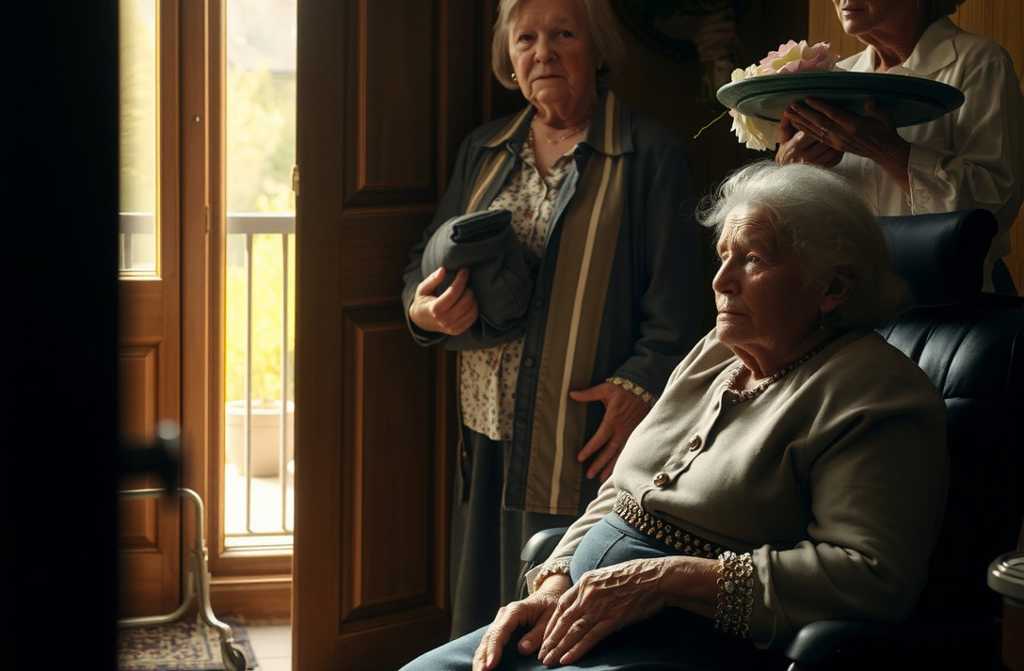
Dorothy in her chair, legs tucked warm, velvet dress with a lacy collar; Vera, upright and neat, in a beaded belt and shoes to match her dark gown; Helen, always along for the ride, hardly able to hear but radiant as a spring sunrise, in a grey suit, sensible shoes, bag faded by years. On her face was serenity, and she was sometimes mistaken for an incognito virtuoso.
All three wore lace gloves Dorothys one nod to Paris still present.
Dorothy, youre too hard on yourself, Vera said, slicing cake and passing plates. Lucys grown, a wife and a mother herself. Shes felt the weight called Love. She may detest Pierre, and rightly, but she loves you.
Thats true! Helen nodded agreement. Youth is harsh and sees only black and white. With time come shades and nuance. Lucy suffered, grew, and understood. But that Pierre what a character
They made more tea, the electric kettle purring gently, lacking the pine scent but comfort all the same. Its metal sides reflected their mothers and their younger selves. It was an heirloom, cherished, and brought to a shine for occasions like this.
Outside, rain whispered over the dying leaves. Soon the first frosts would fall, the marigolds and nasturtiums curling away. Autumn was in the air, yet some warmth remained.
A car rolled onto the wet drive, headlights blinking. Someone hurriedly, heels clicking, came up the path. Dorothy stilled and strained to listen.
The bell rang. Vera answered, letting Lucy in kisses, tears, a bouquet of purple dahlias Dorothy loved, so enormous she vanished behind them, and weeping anew. Unable to believe she had long, truly, been forgiven or perhaps, unable to forgive herself, even as happiness grew. For on this day, Lucys own daughter was born a little red-haired baby in a blanket. Such joy!
If you peer into the window of that old crescent cottage behind the big house on Pulteney Street today, you might see three dear old women. They laugh, drink tea, remember the past, and wait for children, grandchildren, great-grandchildren. They want one more moment with loved ones, a final embrace. Thats the most precious thing of all.





